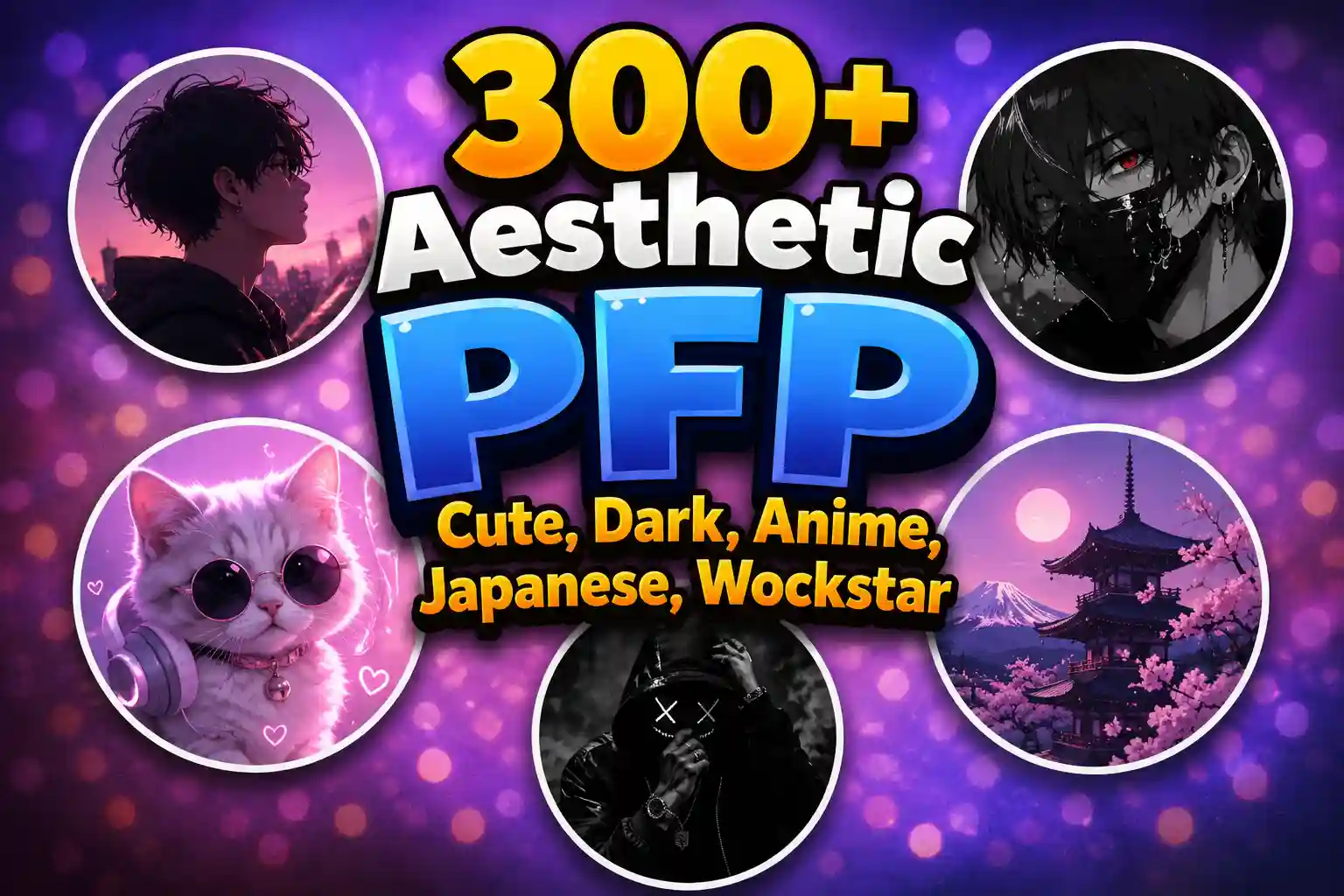
300+ Aesthetic PFP: Cute, Dark, Anime, Japanese, Wockstar
Visual identity online moves faster than text ever could. Before a username registers, before a bio gets read, the avatar has already done its work signaling mood, taste, cultural awareness, and belonging in under a second. An aesthetic PFP takes that signaling seriously. Every element becomes intentional: the lighting, the color temperature, the character’s expression, the negative space around the subject. Nothing exists in the frame by accident.
Across Discord, TikTok, Instagram, and Pinterest, communities have developed their own visual languages around profile imagery. The way an avatar looks in a server list, in a comment thread, or beside a username on a feed tells other users something specific before any message arrives. Platforms read avatars differently Discord rewards contrast and clarity at small scale, Instagram rewards editorial color cohesion, TikTok responds to mood and character energy. The same image lands differently depending on where it appears and who sees it.
The breadth of aesthetic PFP styles reflects how fractured and specific online identity has become. Anime characters, ironic cartoons, Japanese editorial photography, moody dark compositions, and humor-coded pop culture visuals all sit under the same category not because they share a look, but because they share an intention. Each one communicates that the choice was made deliberately, and that intentionality is precisely what makes the aesthetic label fit.
Why a Well-Chosen Aesthetic PFP Shapes Your Online Presence
Profile images establish tone in spaces where tone matters enormously. Color palette communicates energy level warm, saturated visuals project enthusiasm while muted, desaturated tones suggest introspection. Compositional framing signals intentionality a tight crop on a single expressive character feels focused, while a wide scene-based avatar feels contextual. All of this reaches the viewer before any content, any post, any message. The avatar is always the first impression.
A consistently maintained aesthetic PFP builds recognizability across platforms in ways that frequently changing or low-effort icons never achieve. Communities associate the visual identity with the person behind it, forming recognition patterns that persist across server lists, comment sections, and shared feeds. Visual consistency paired with a coherent username and bio creates a digital presence that feels considered rather than assembled and in online spaces where curation signals credibility, that distinction carries real weight.
Aesthetic PFP
Online identity is shaped visually long before anyone reads a username, caption, or bio. In fast-moving digital spaces, the profile picture becomes the first recognizable signal attached to an account, instantly communicating mood, personality, humor, taste, and community alignment. Across Discord servers, TikTok feeds, Instagram profiles, Pinterest boards, and gaming communities, users increasingly rely on carefully curated avatars to create a memorable presence that stands out in crowded timelines and comment sections.
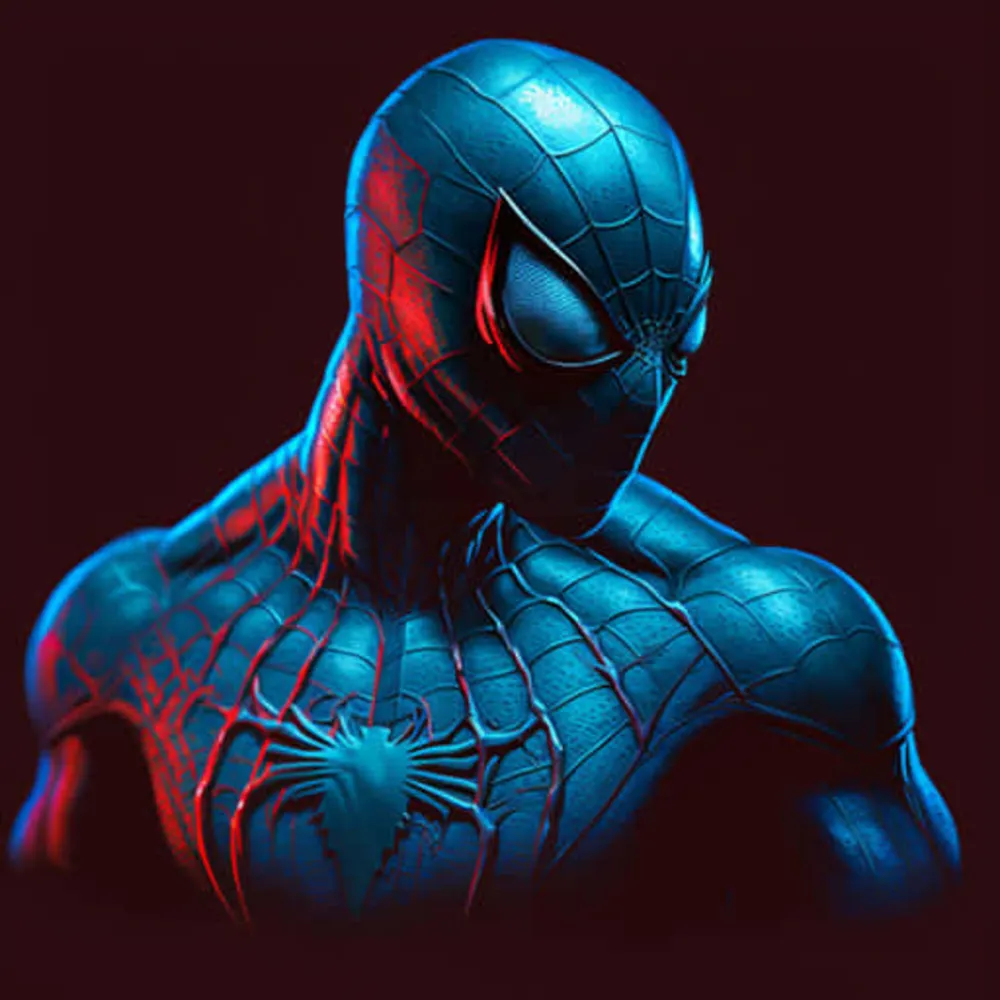
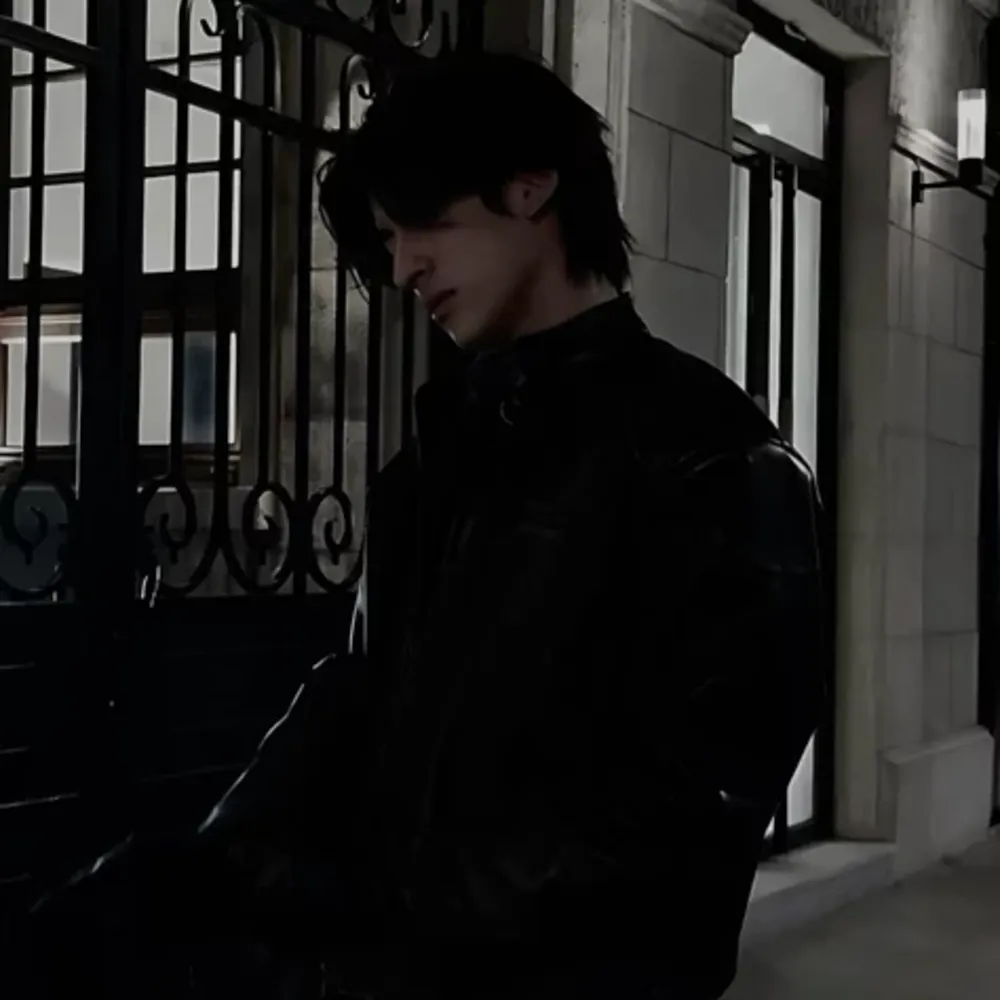
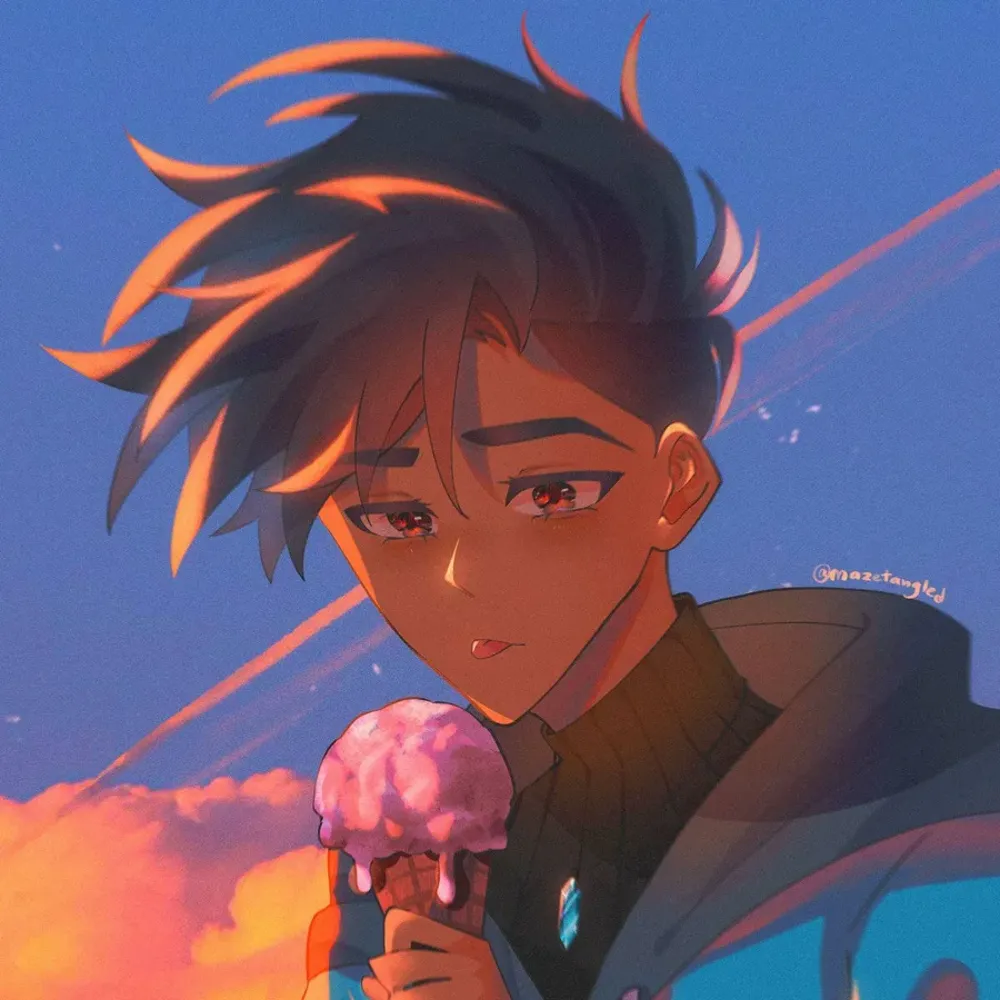
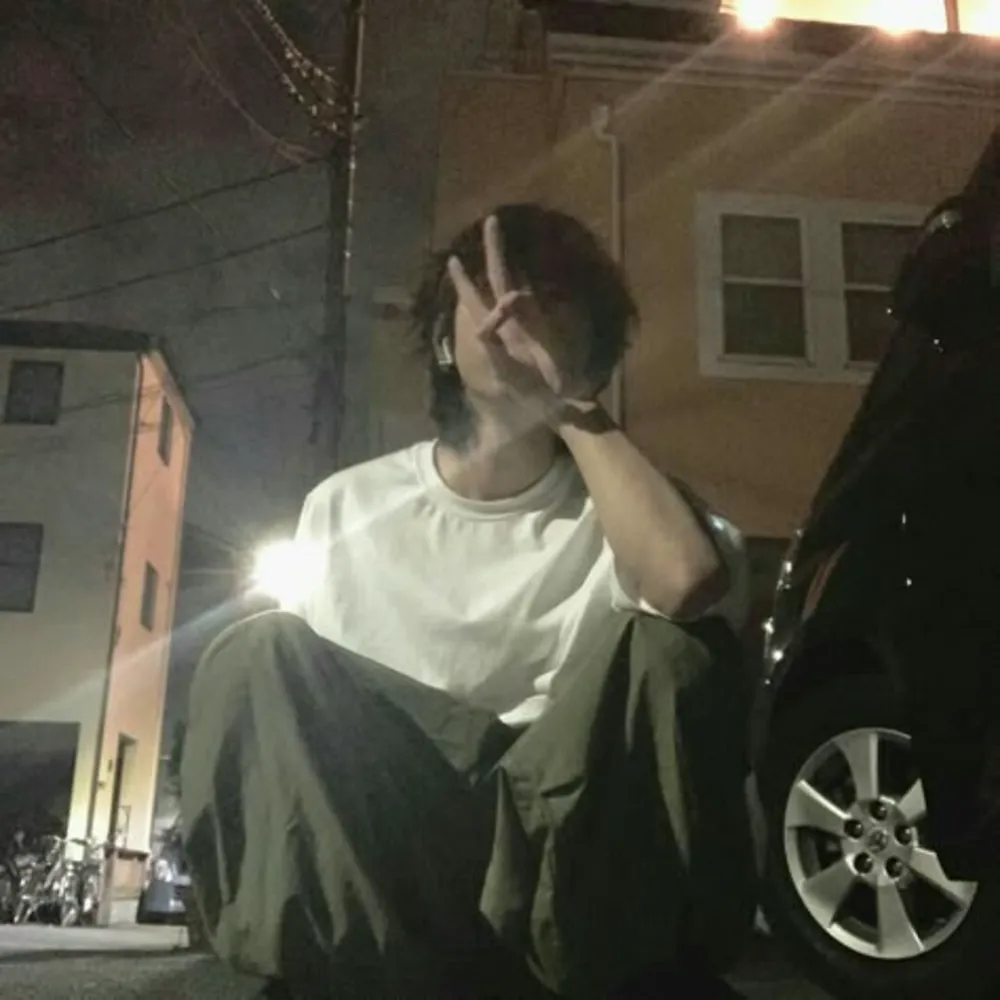
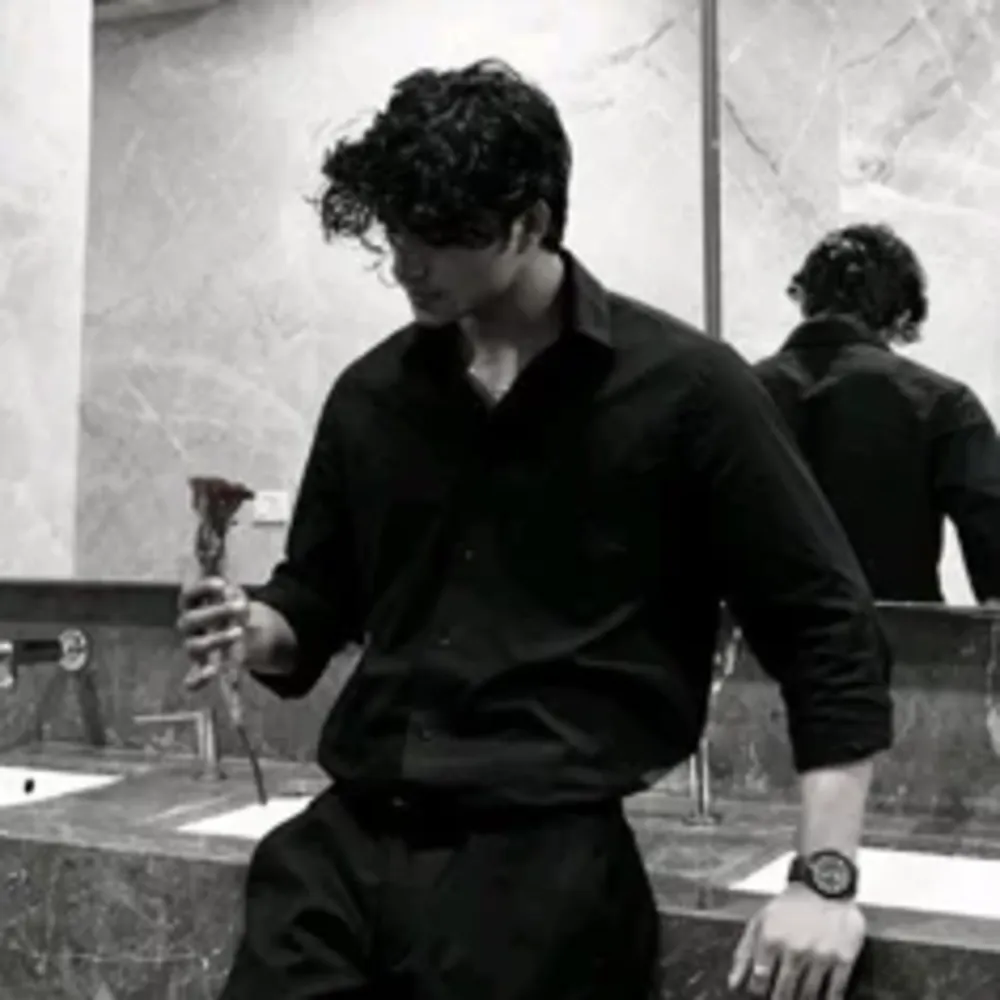
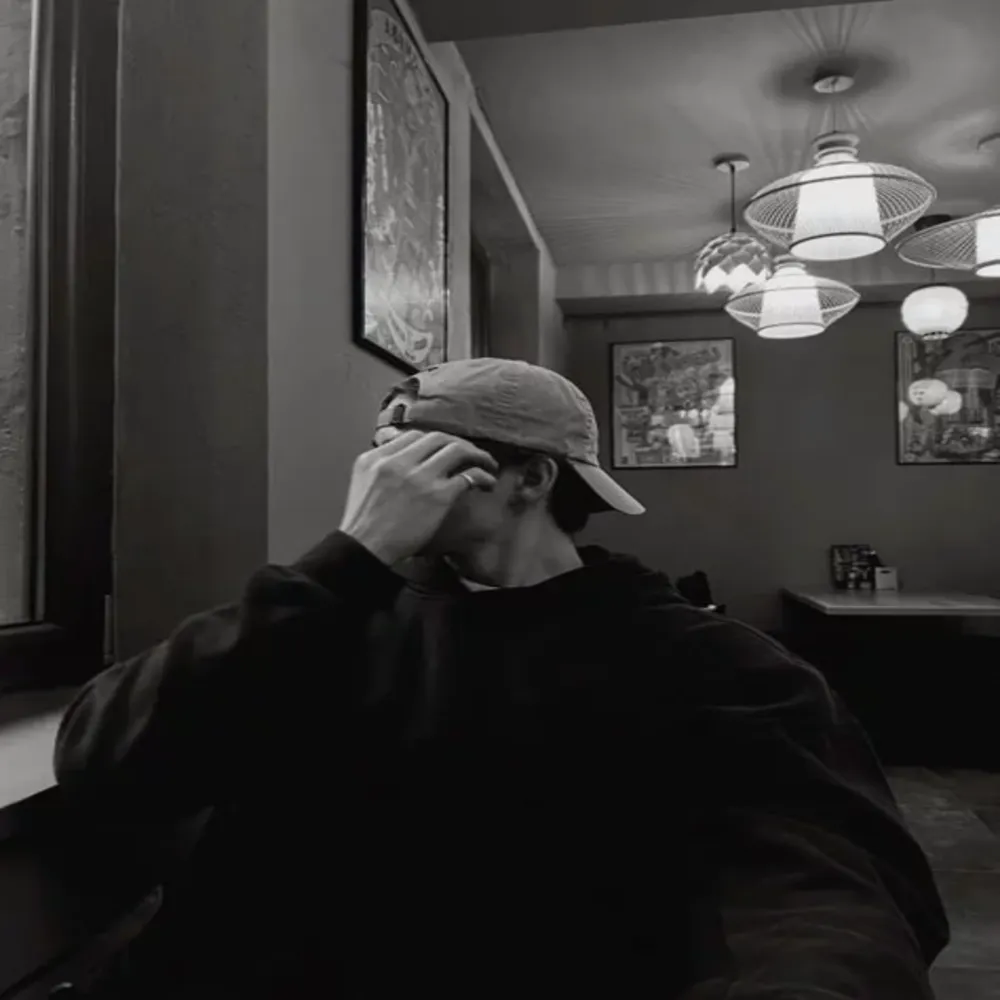
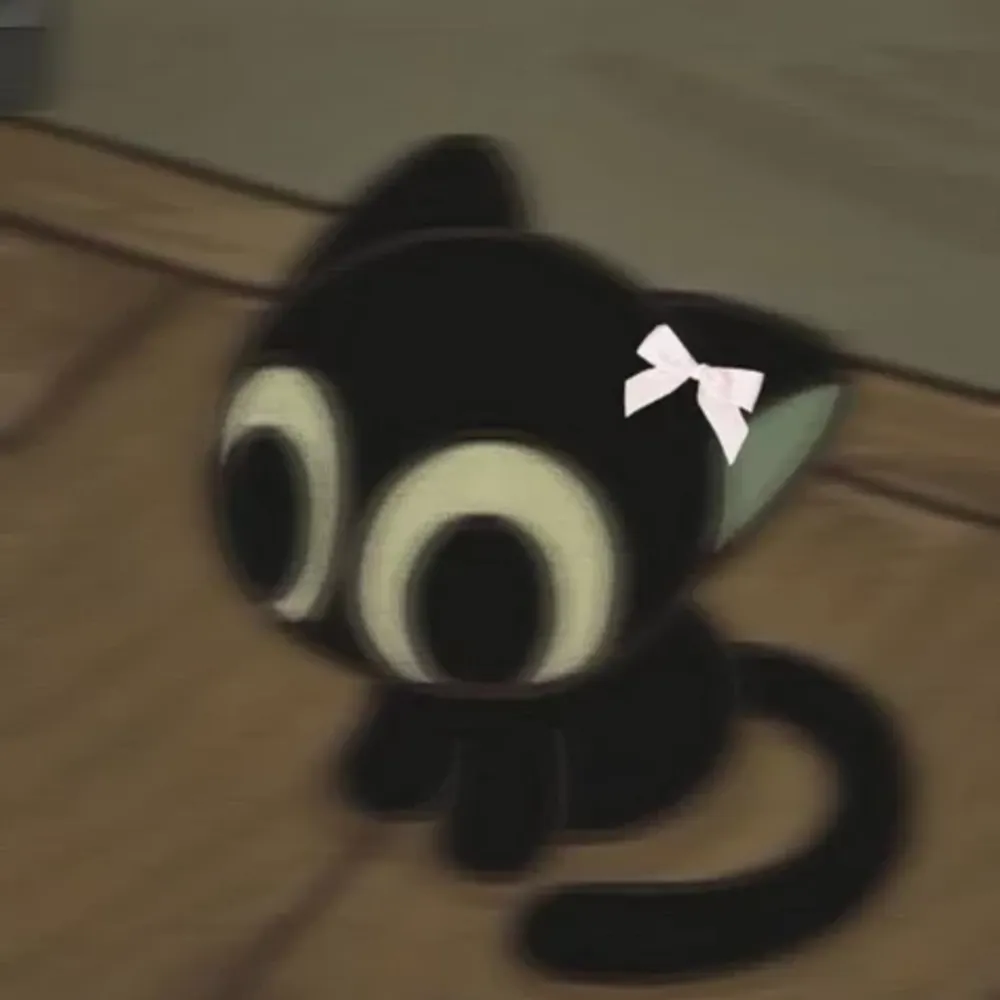
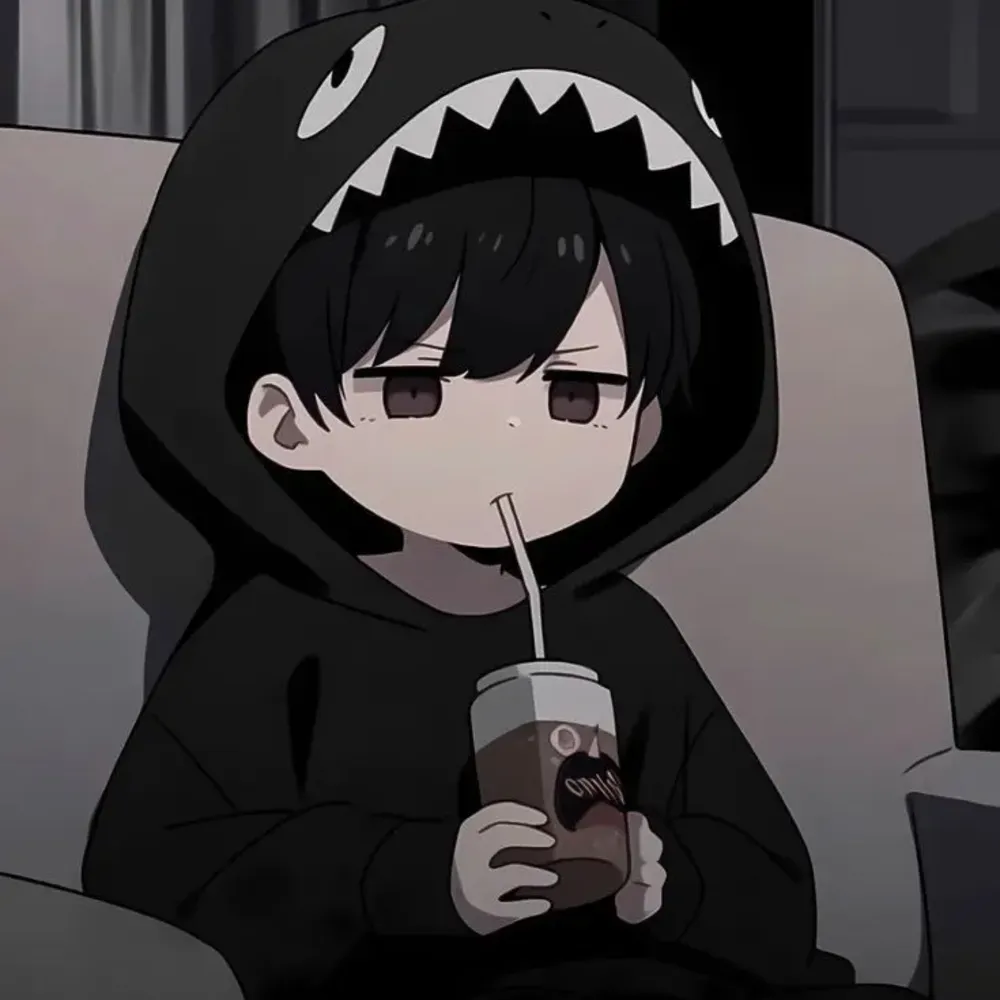
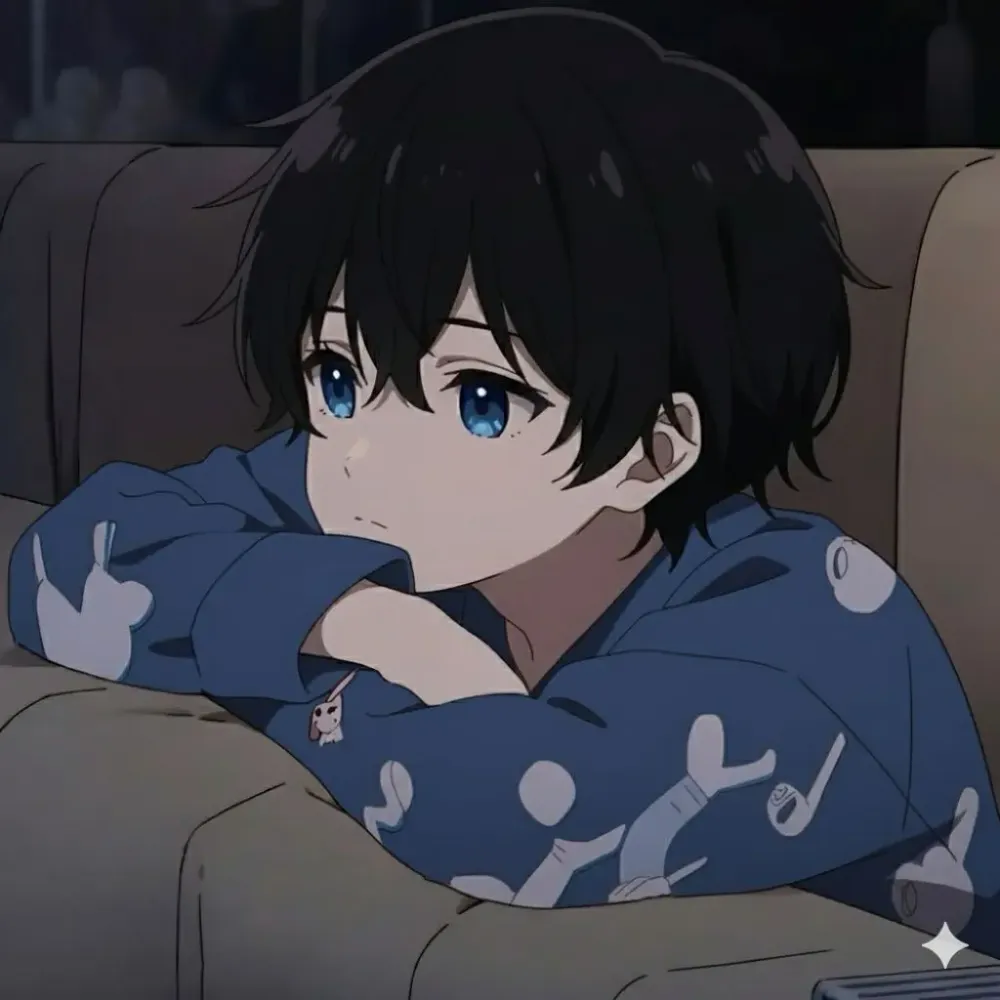
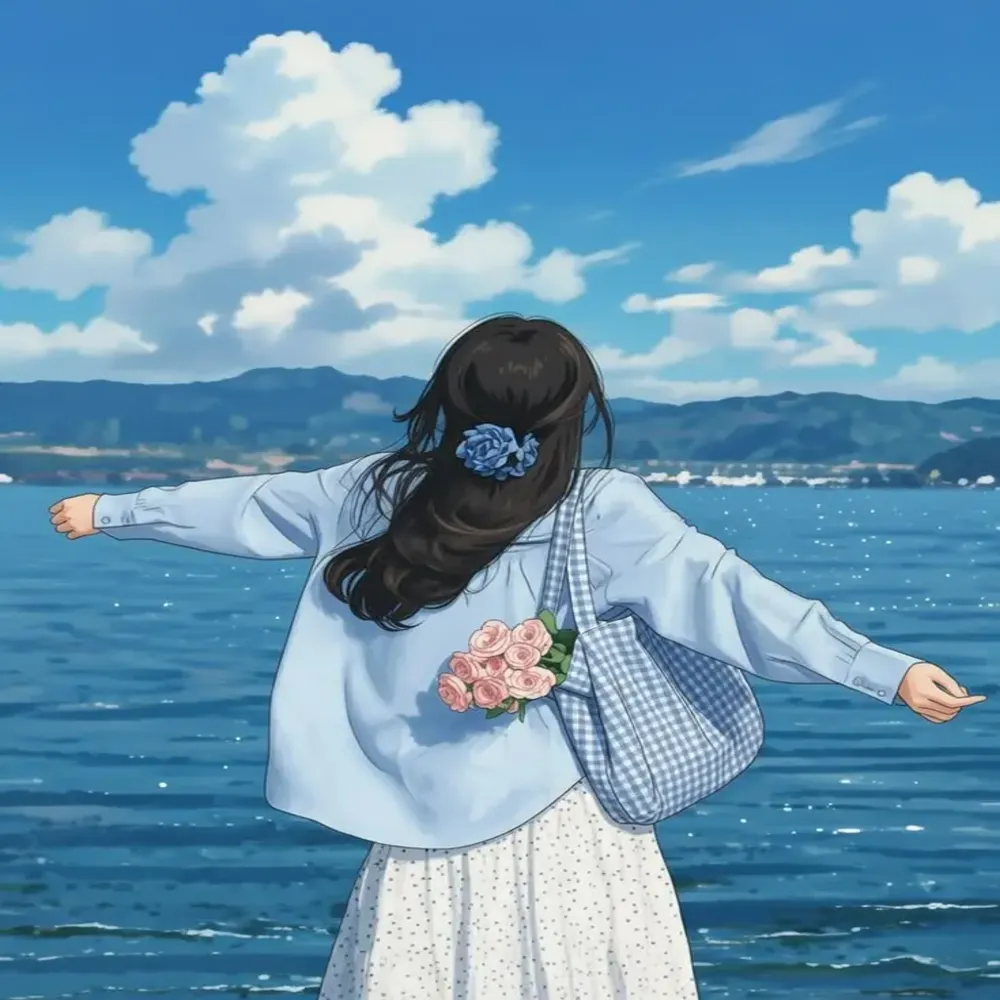
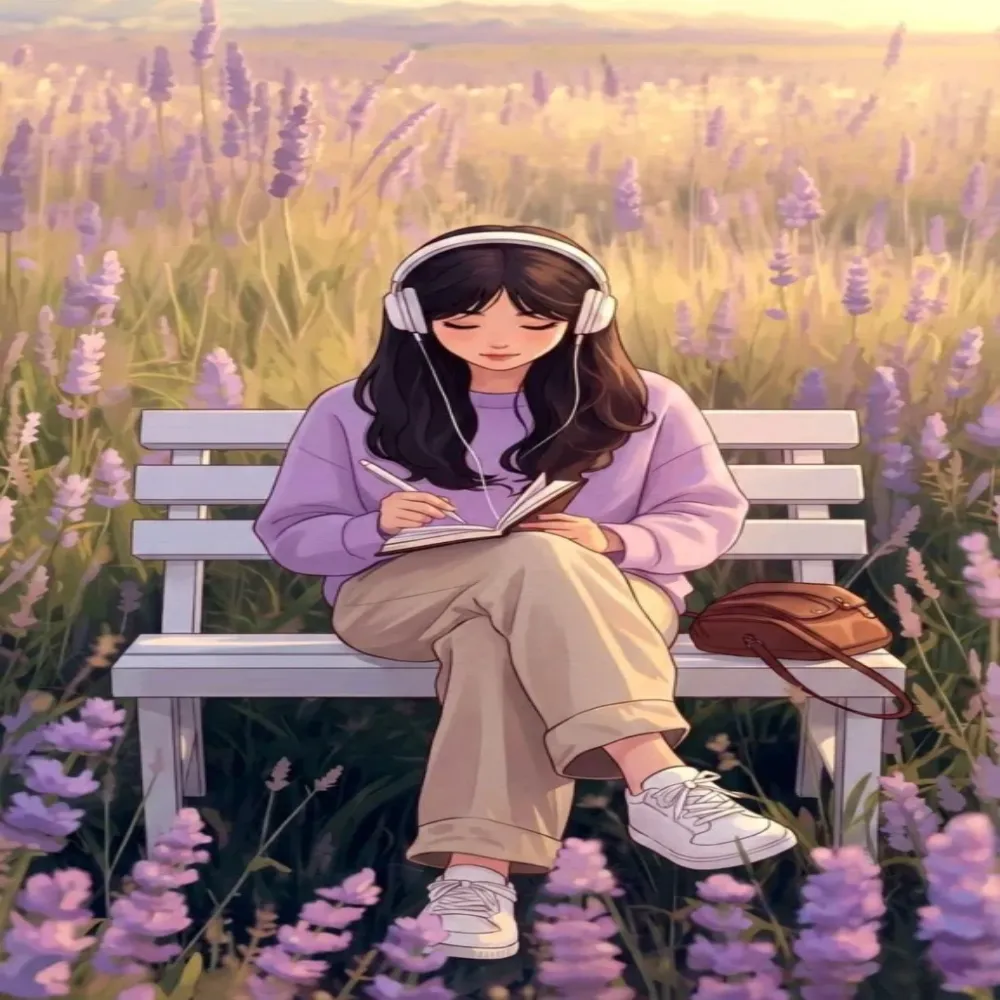
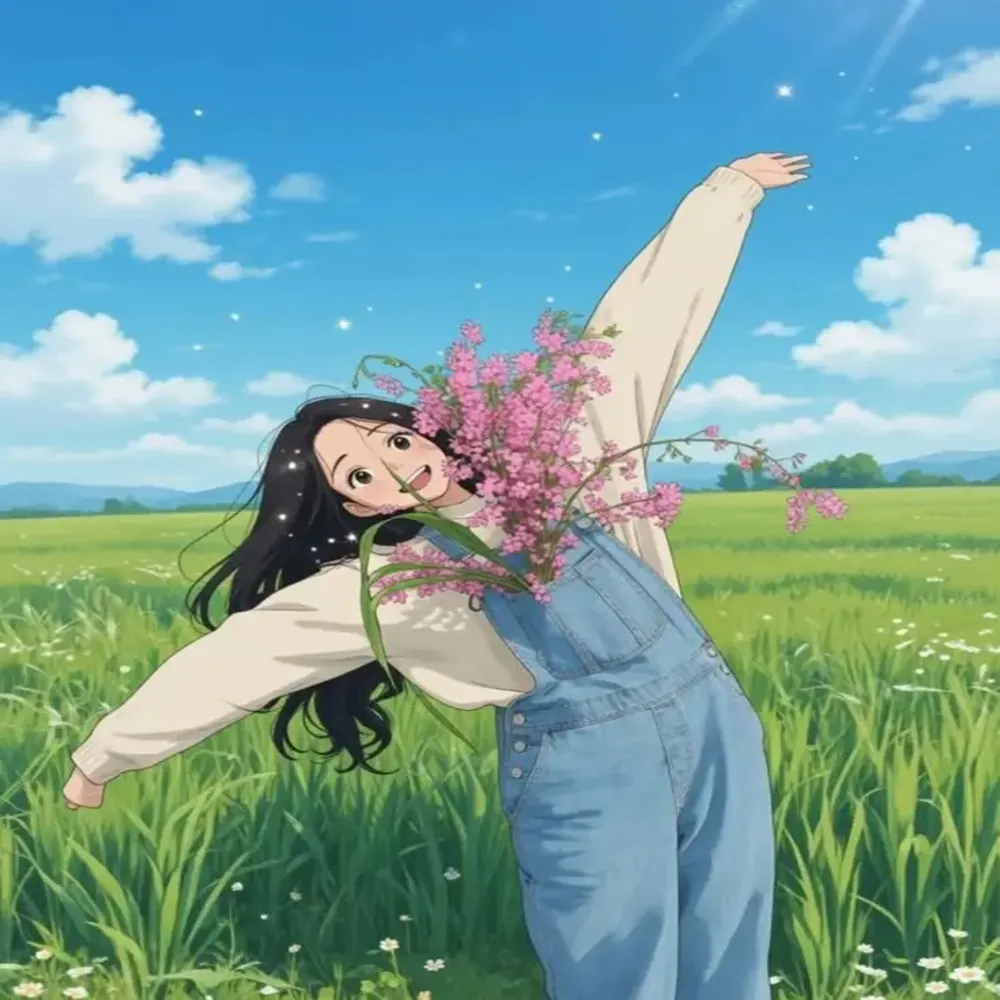
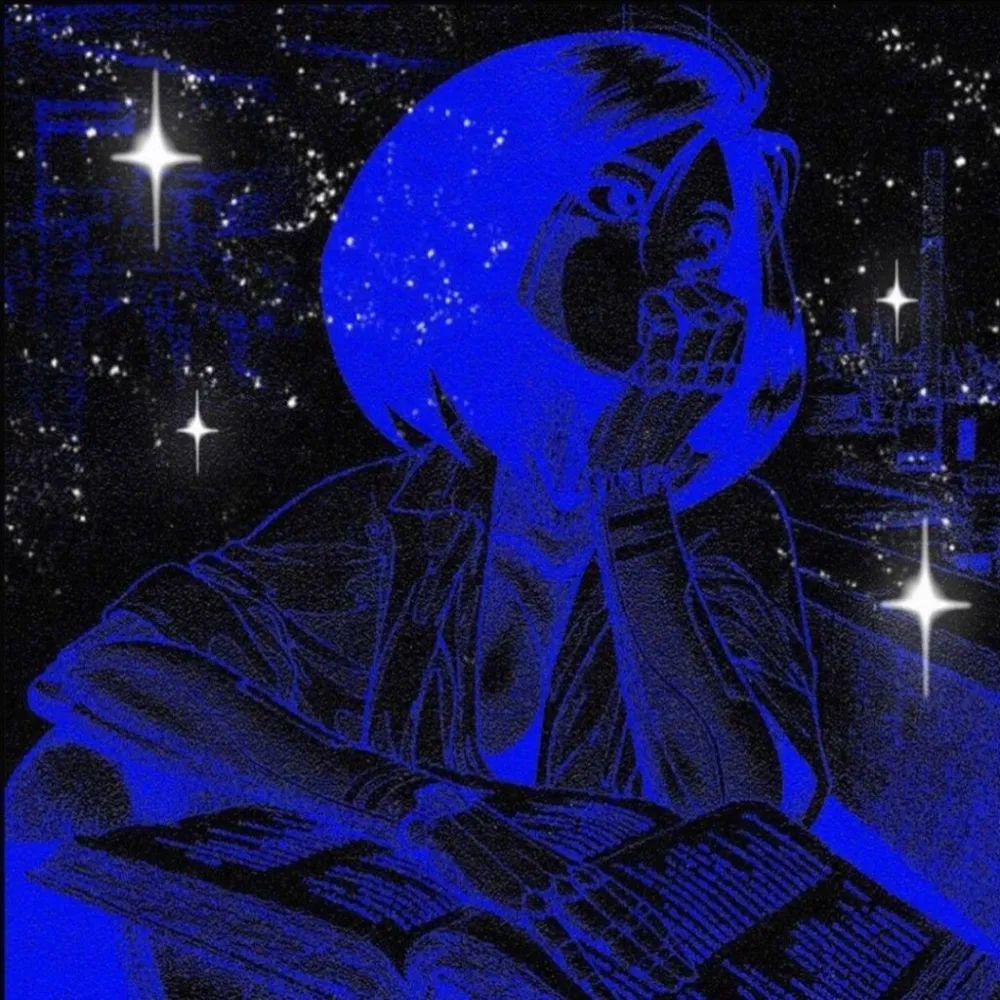
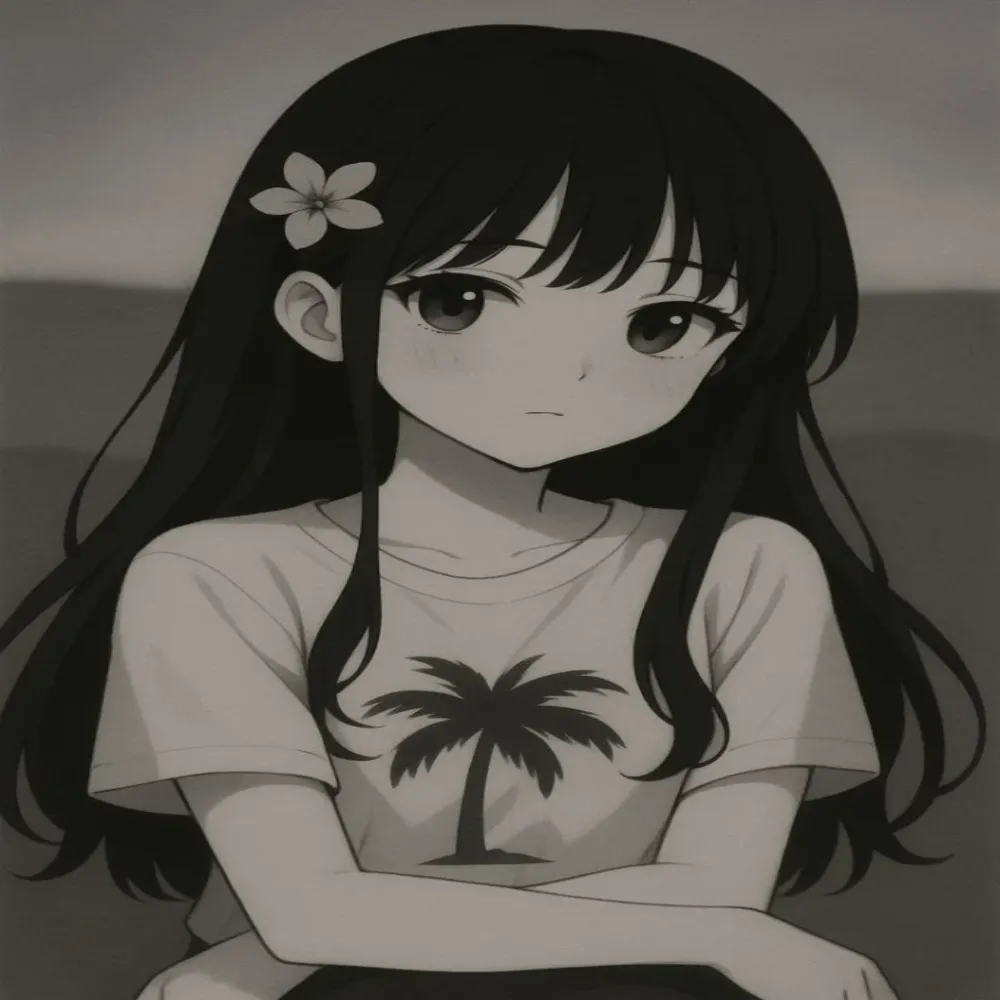
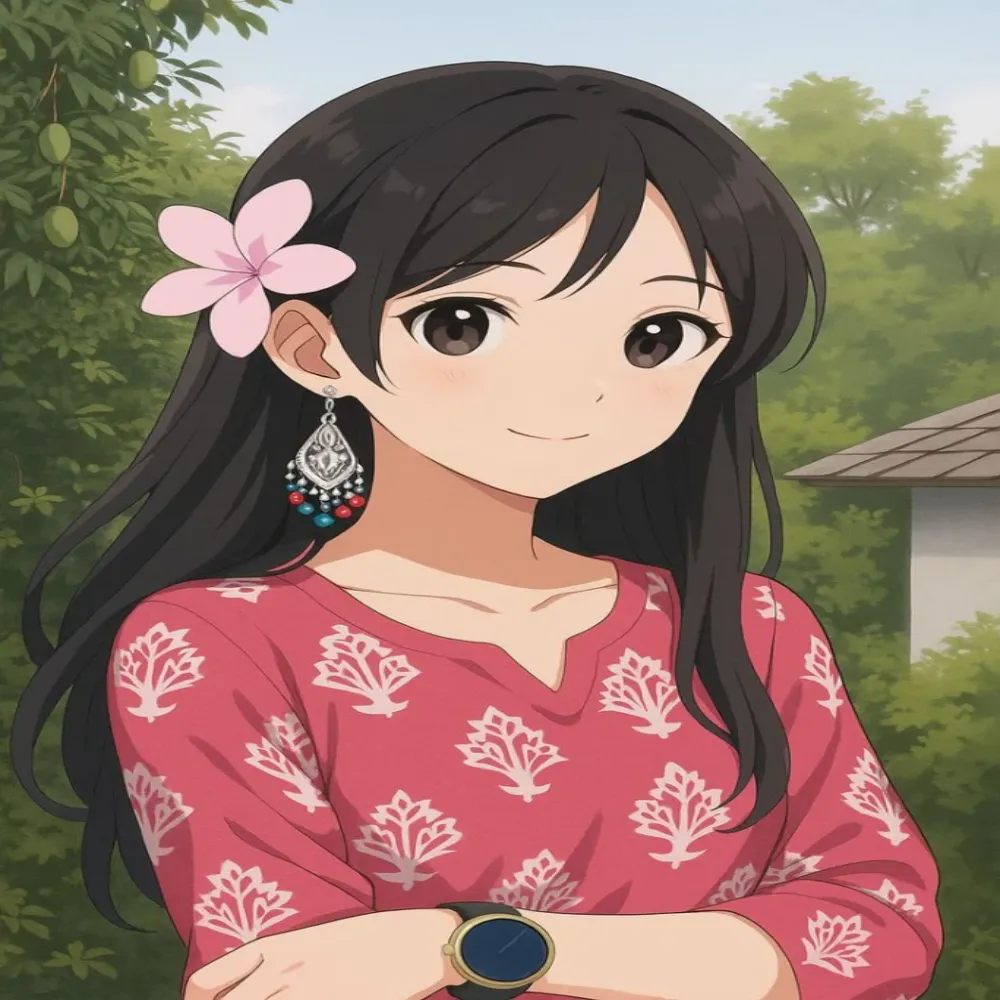
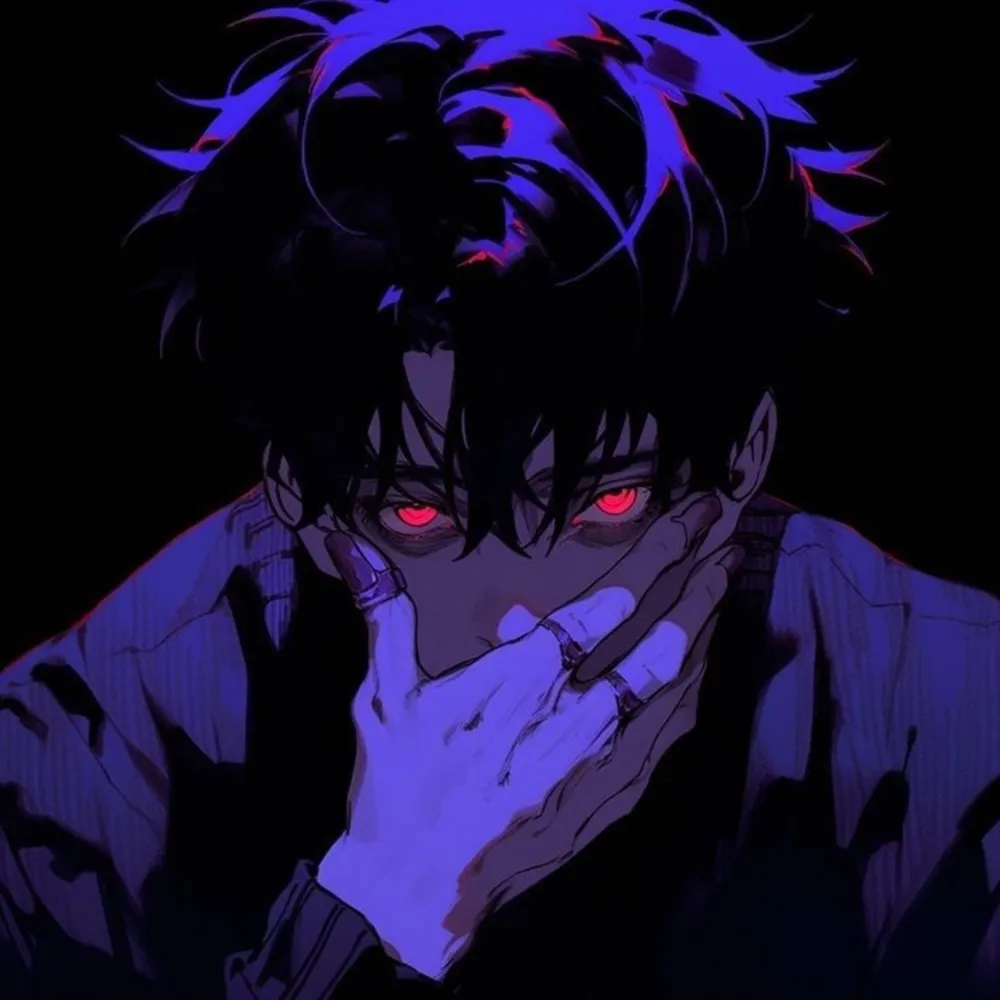
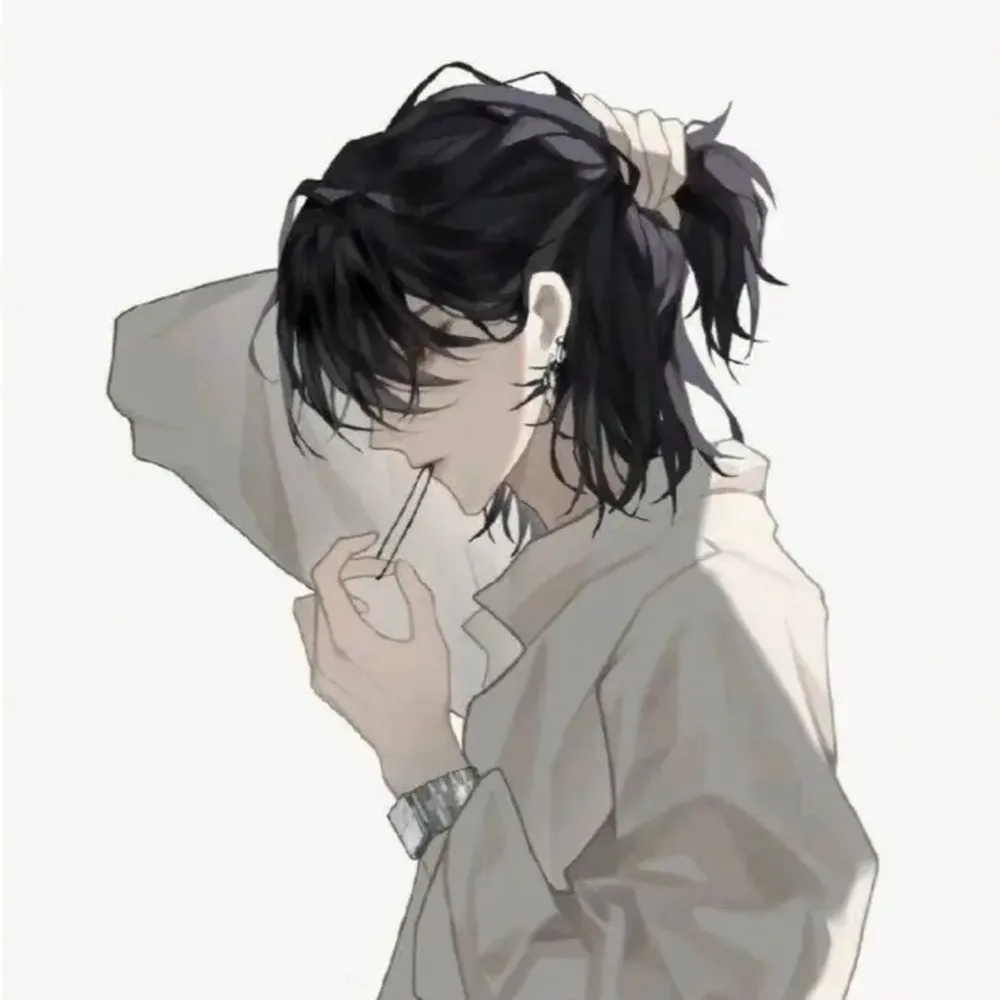
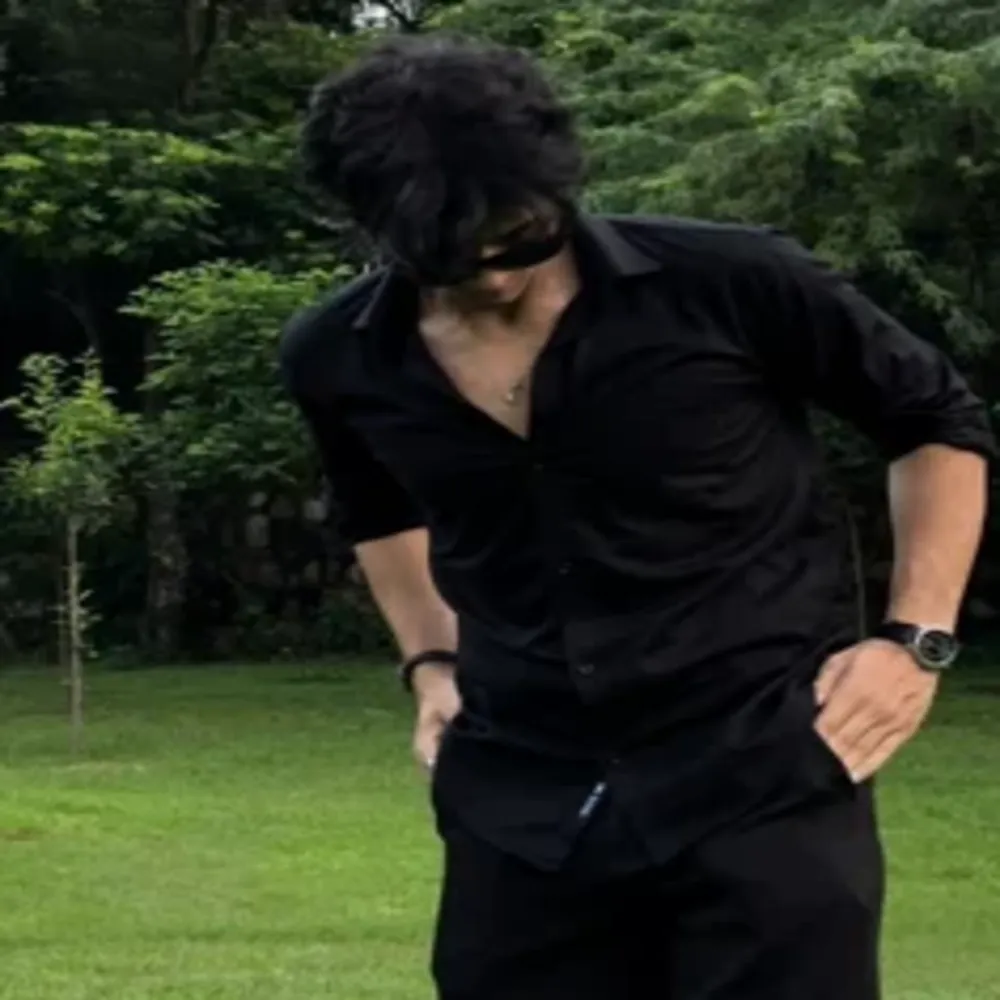
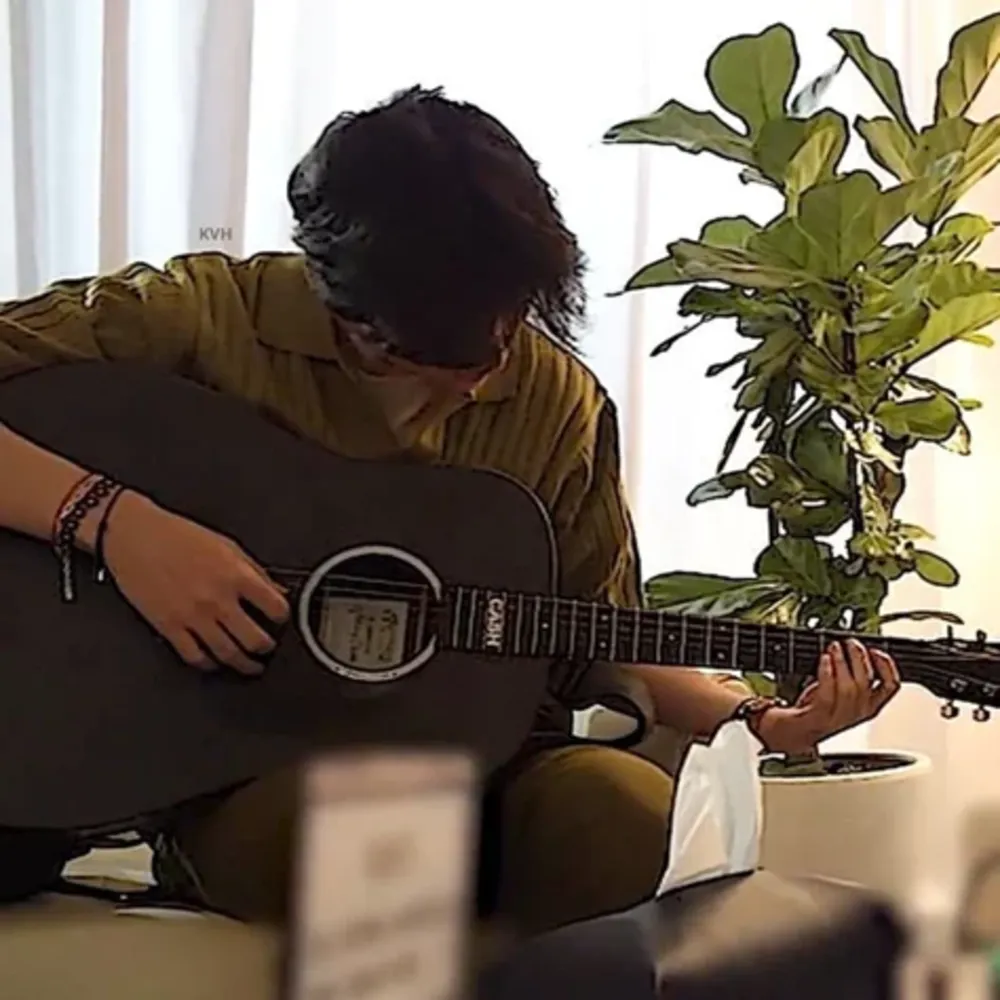
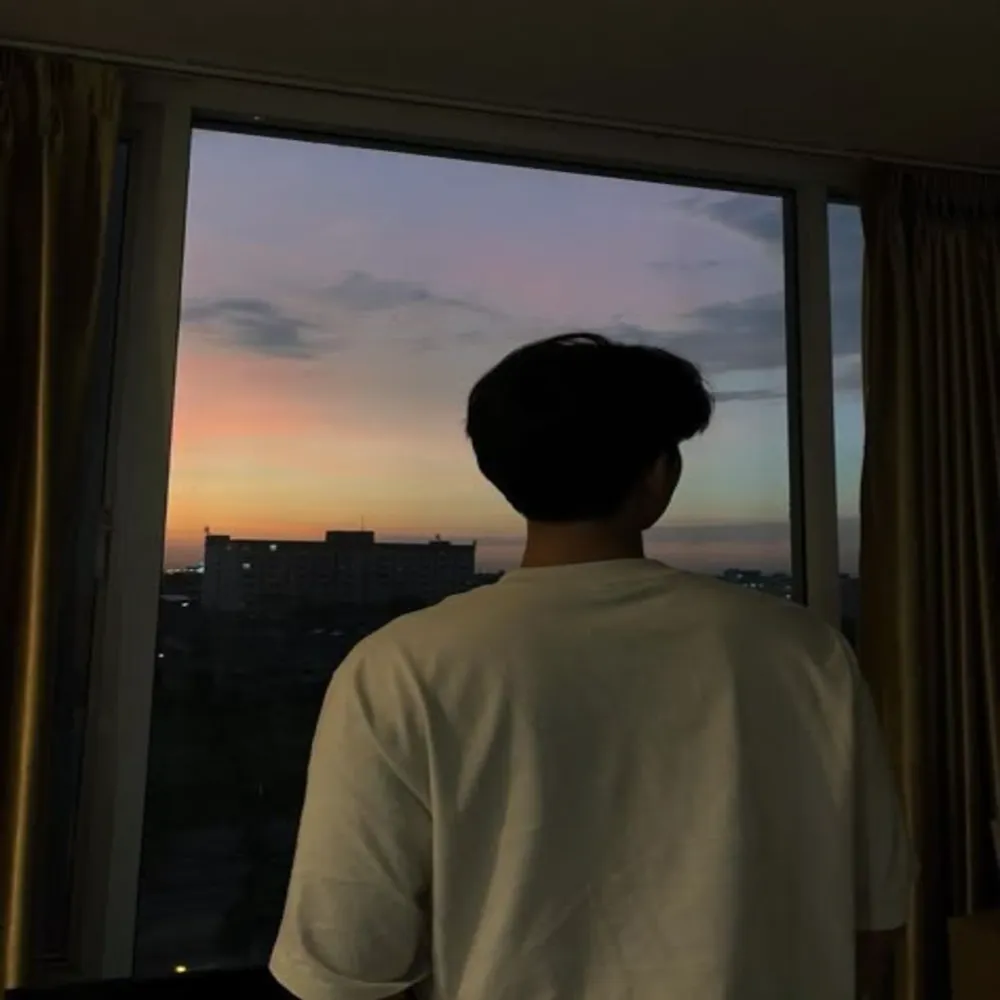

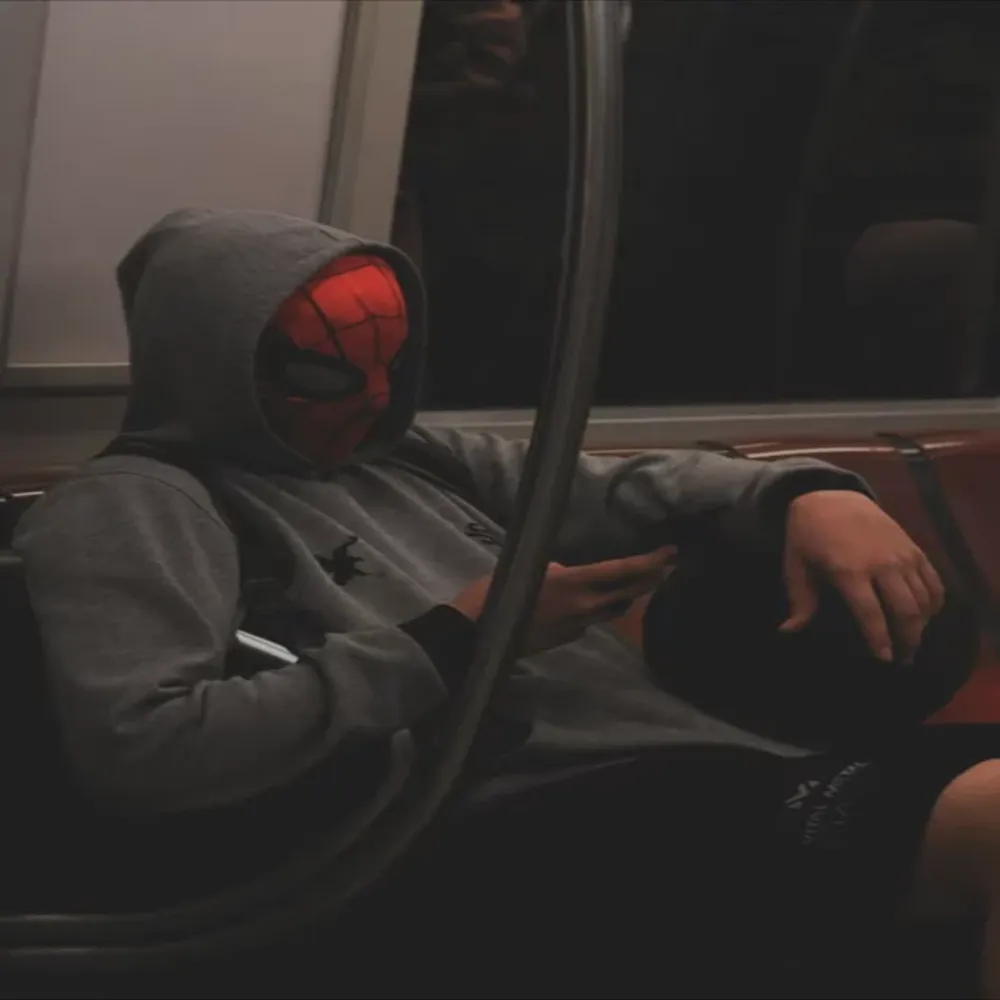
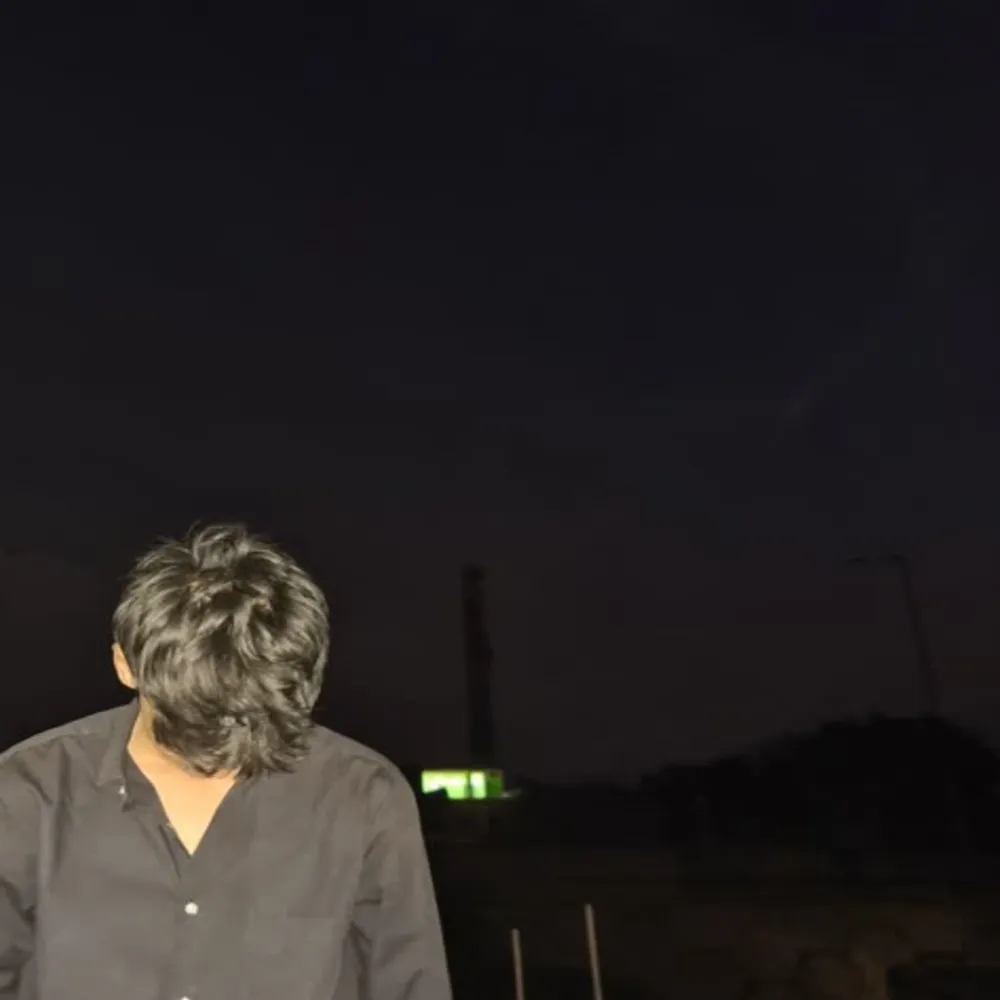
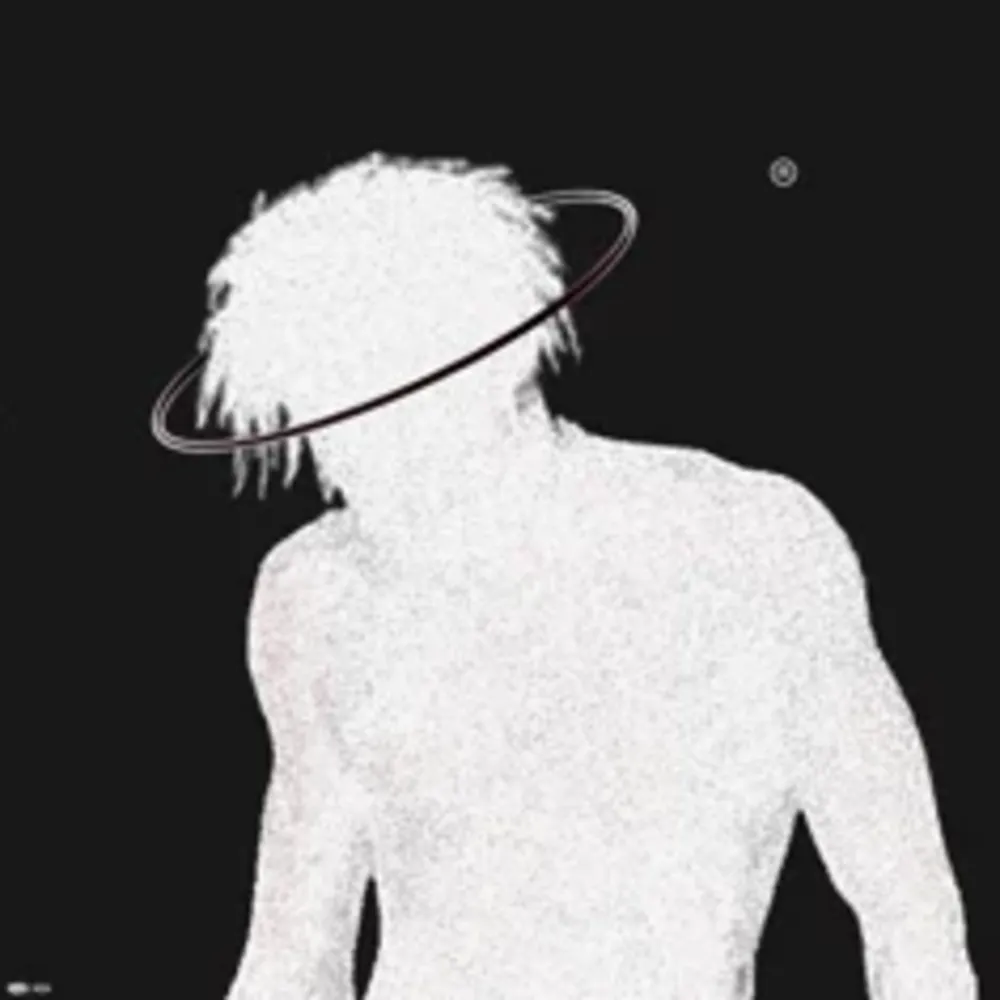
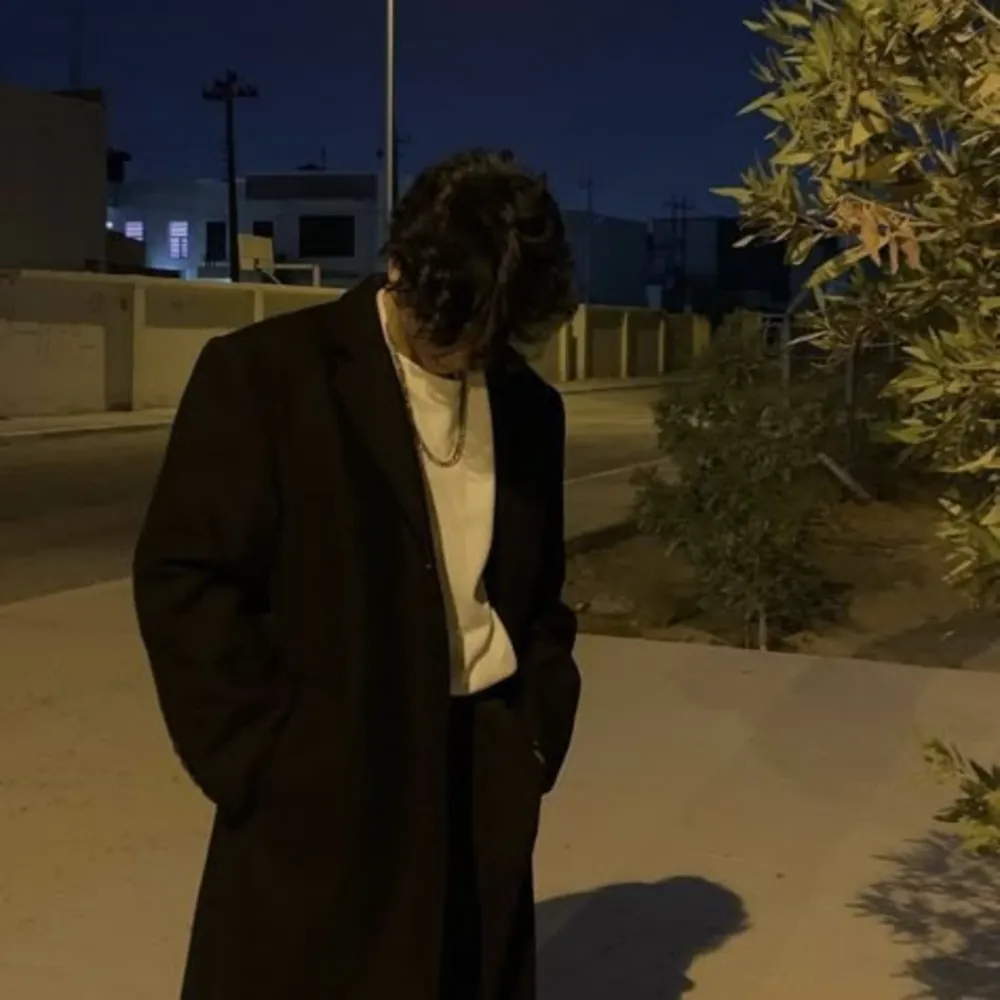
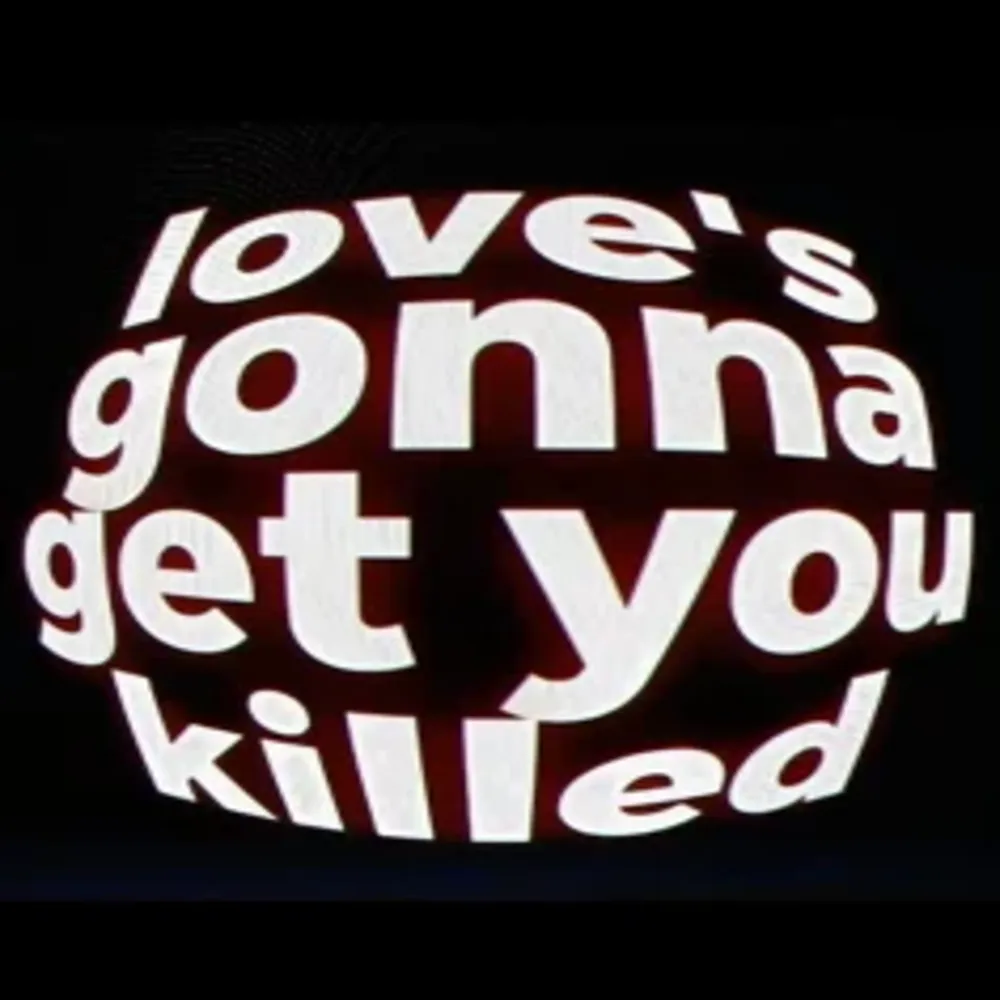

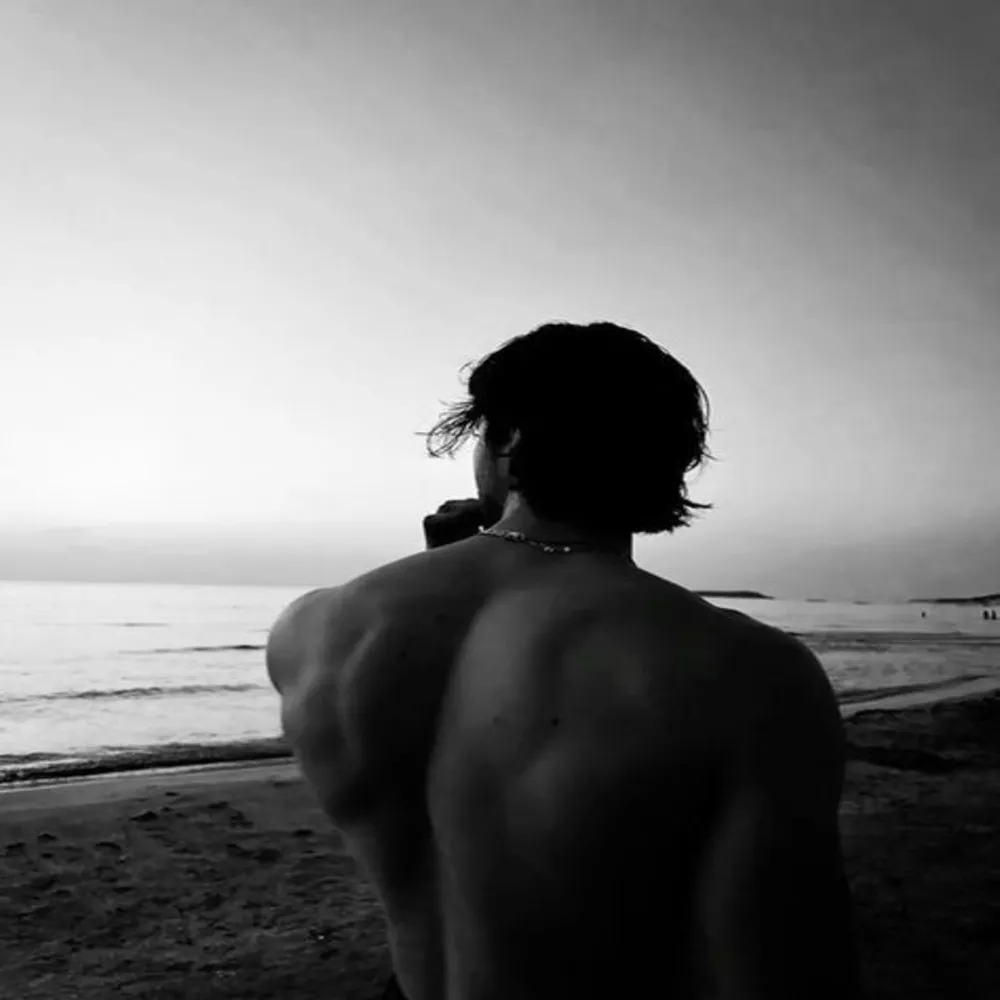


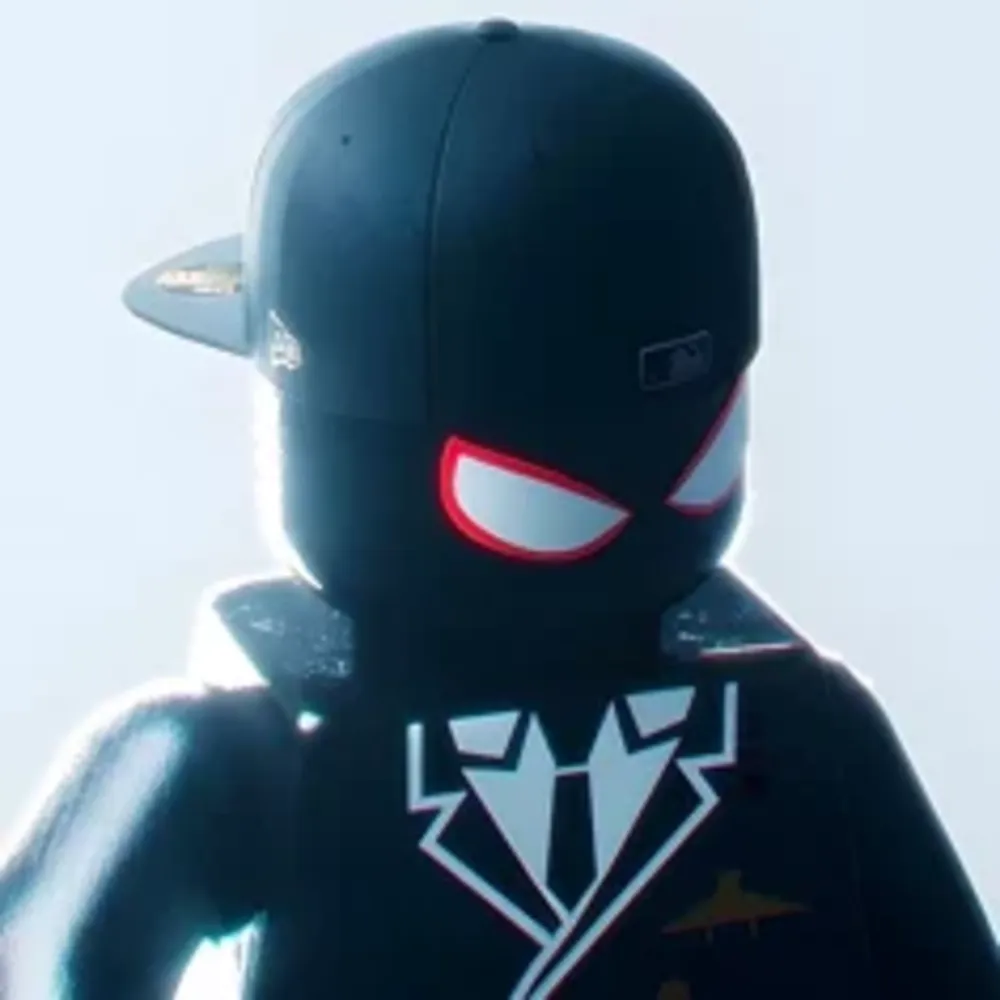

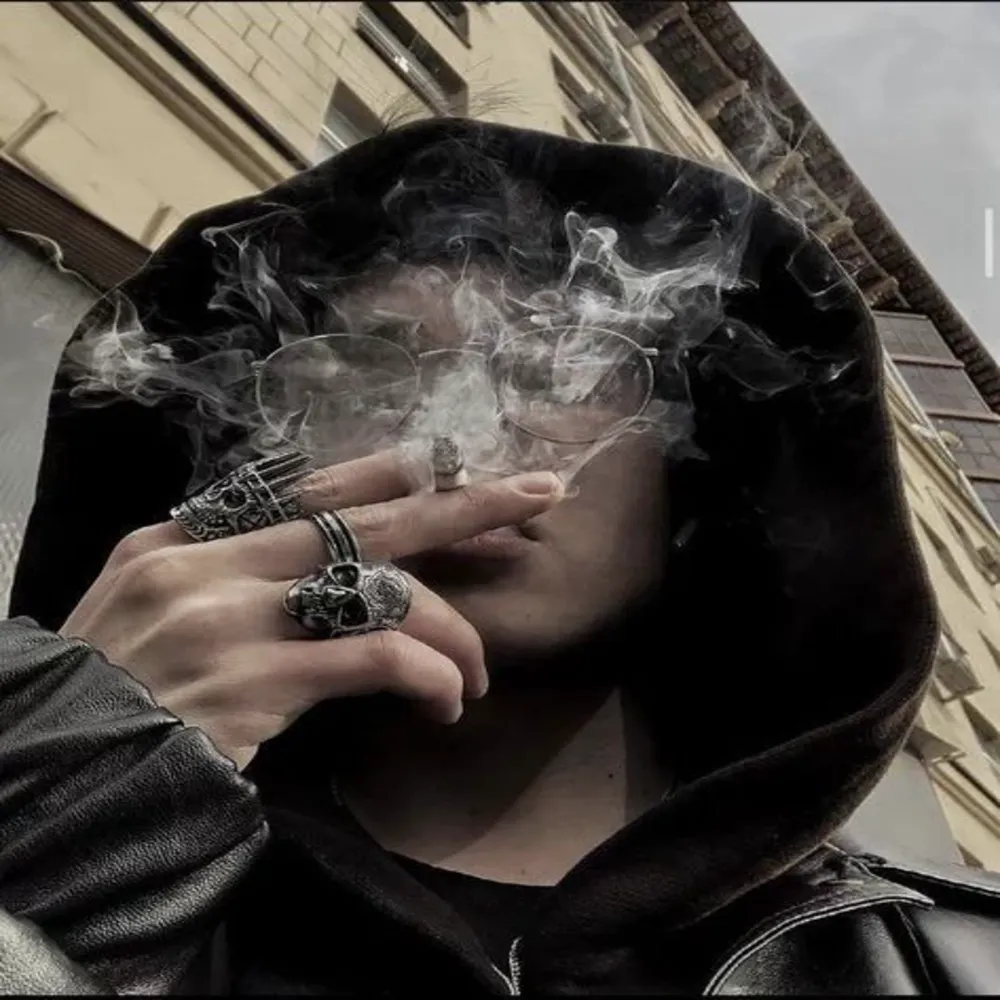
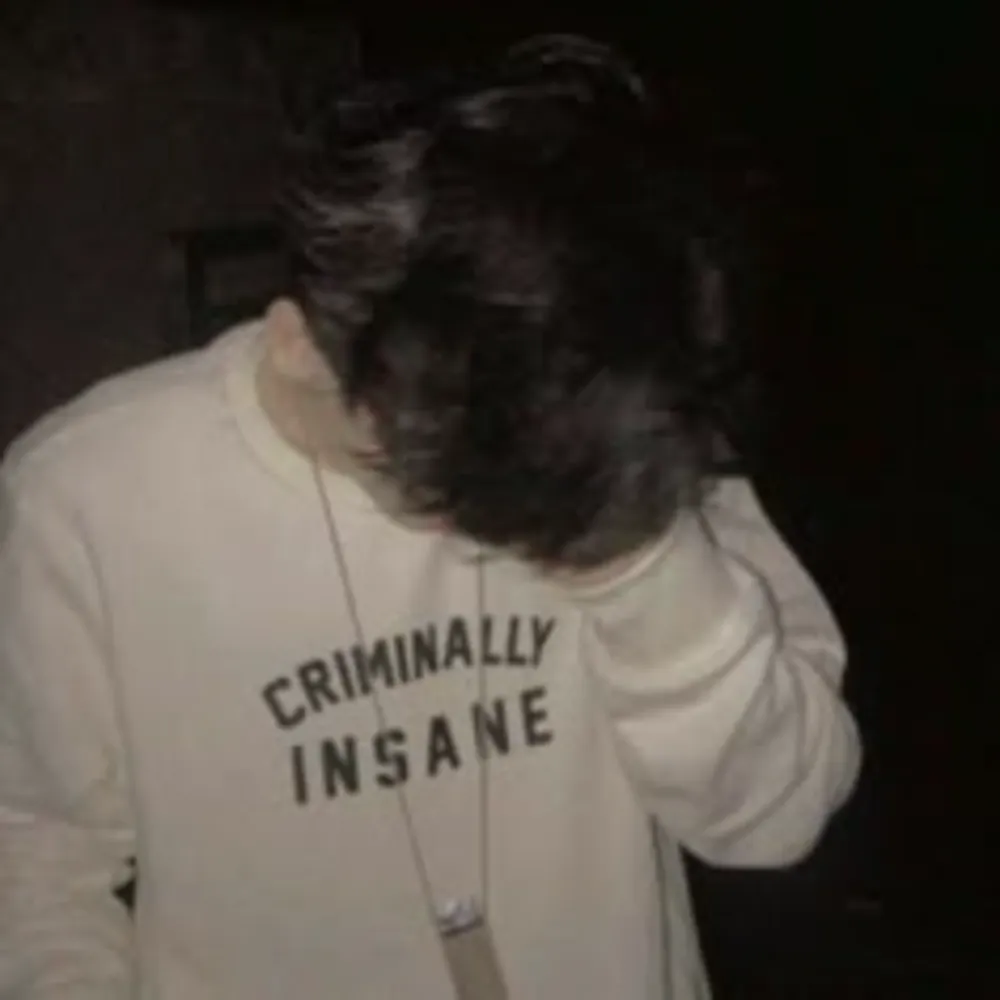
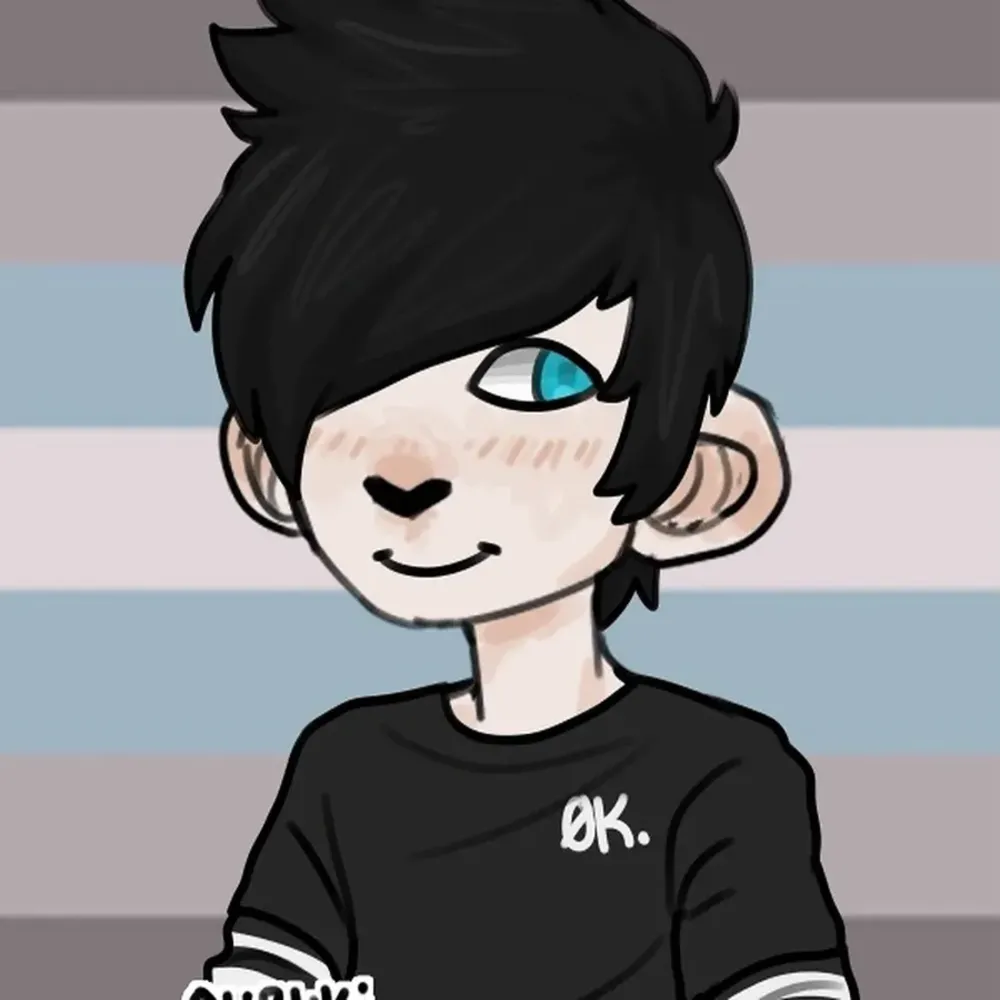
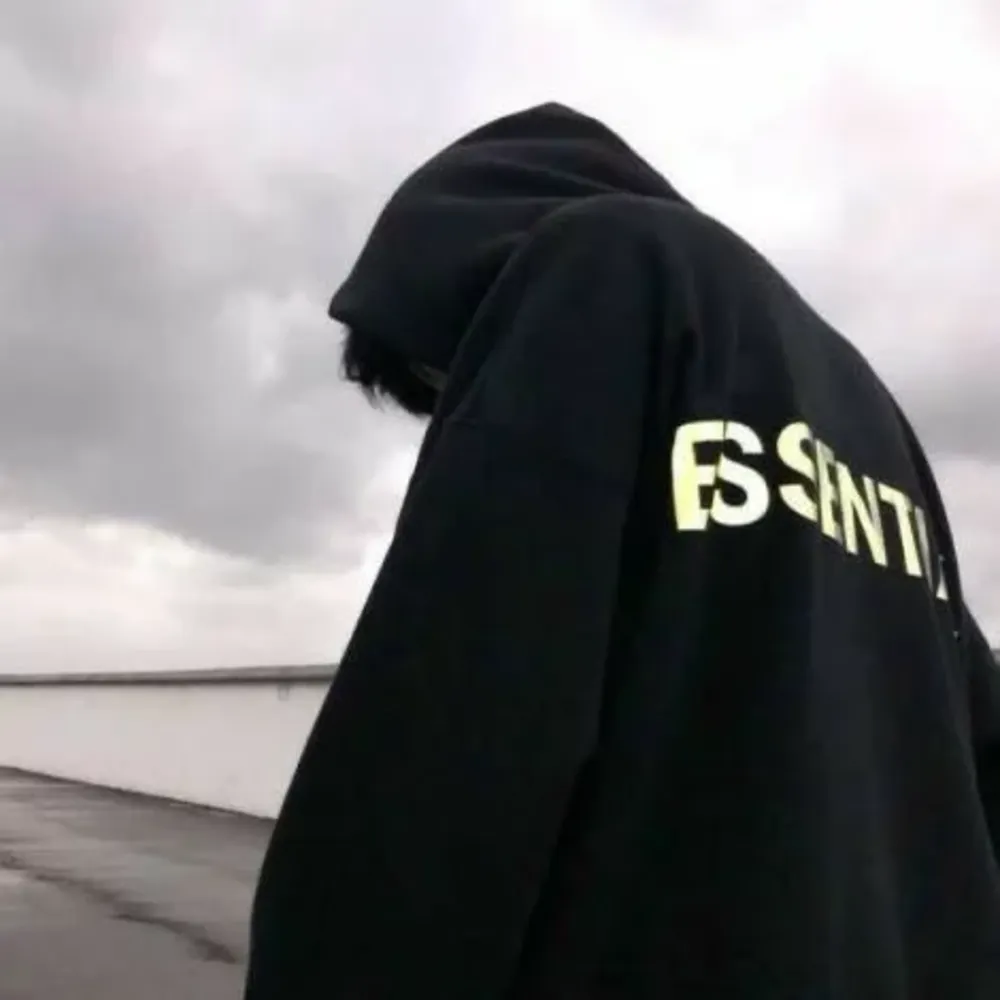



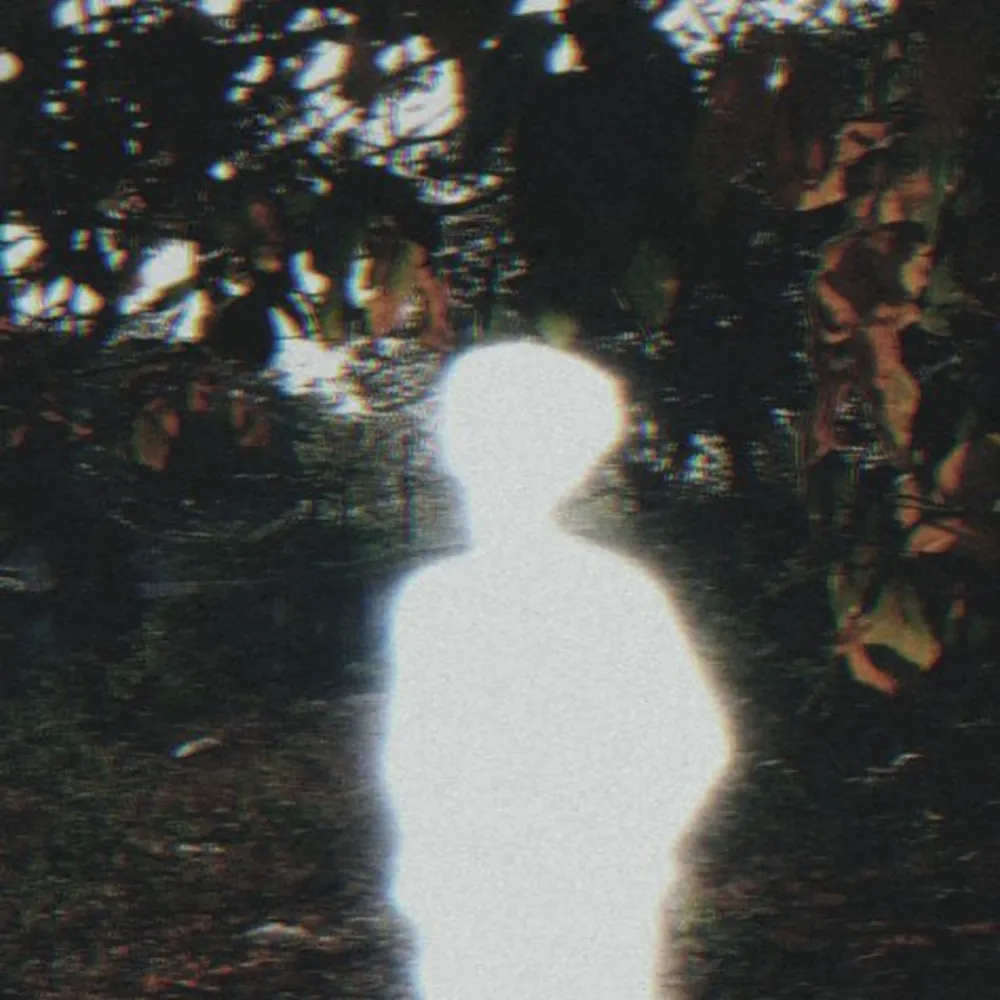
Internet aesthetics have expanded into dozens of highly recognizable visual styles. Some users gravitate toward dark aesthetic pfp designs built around cinematic shadows, cold tones, and moody lighting that create a more intense or mysterious identity. Others prefer cute pfp aesthetic visuals with pastel palettes, soft expressions, and warm composition that feel approachable and comforting. Anime pfp aesthetic trends continue dominating online culture because expressive character art remains visually clear even at extremely small icon sizes. At the same time, dark moody Japanese imagery, wockstar-inspired edits, and ironic meme-driven choices like aesthetic Peter Griffin PFPs have become increasingly popular across fandom spaces, music communities, and humor-centered internet culture.
What separates a strong aesthetic avatar from a random profile image is visual intention. Composition, lighting, color grading, emotional tone, and subject focus all work together to create an identity that feels deliberate instead of generic. Whether someone chooses an anime girl pfp aesthetic for expressive emotion, a dark avatar for a colder visual presence, or a softer pastel design for community-focused platforms, the most effective aesthetic pfp choices create instant recognition while reinforcing the overall style and energy of the account behind them.
Aesthetic Wockstar PFP
Music culture and visual identity have always borrowed from each other, but in online spaces that relationship runs especially deep. The attitude embedded in rap and street-adjacent aesthetics translates into avatar choices bold color, high contrast, serious expression, and compositional confidence that projects status and coolness before the account says anything. Aesthetic wockstar pfp imagery carries that energy: subjects framed against dark or gritty backgrounds, sharp lighting that cuts across facial features, and color grading that leans into intensity rather than softness. The visual language borrows from album art, music video stills, and fashion photography filtered through online culture.


Cold color grading emphasizes emotional distance. High contrast isolates the subject from background noise. Serious or neutral expressions project composed confidence. Sharp lighting defines facial structure precisely. Dark backgrounds remove environmental distraction entirely. Bold framing creates a sense of visual authority.
Discord communities centered around music, gaming culture, and street aesthetics frequently adopt this style for the status signal it carries. On TikTok, profiles associated with rap music, lifestyle content, and fashion lean into the wockstar visual as a way to align their avatar identity with their content direction. Instagram accounts in hypebeast, streetwear, and music-adjacent niches use this style to maintain consistent aesthetic identity between feed posts and profile icon.
Cute PFP Aesthetic
Softness and deliberate design are not opposing forces the best examples of this style prove they work together. The difference between a randomly cute image and a cute pfp aesthetic is the sense of visual intention behind the choice: palette selection, background mood, compositional framing, and character expression all point in the same direction. Nothing competes with anything else. The warmth in the color temperature matches the warmth in the subject’s expression, and that harmony is what makes the image feel curated rather than just pleasant.


Pastel palette creates immediate emotional warmth. Rounded compositional shapes signal approachability. Soft highlight placement adds dimensional depth. Background elements reinforce rather than distract from mood. Character expression stays readable even at small icon scale. Visual harmony across all elements reinforces intentionality.
Instagram aesthetic creators, Discord community members, and Pinterest curators most commonly build their visual identity around this style. The look performs especially well on platforms where feed cohesion matters a soft, consistently toned avatar creates continuity across posts, comments, and profile views. In Discord servers built around art, journaling, or cozy content, this style signals warmth and openness that encourages interaction before any message is typed.
Dark Moody Japanese Aesthetic PFP
Japan’s visual culture occupies a specific place in internet aesthetics rooted in film photography tradition, urban nightlife imagery, and a particular approach to melancholy that feels cinematic rather than heavy. Rain-slicked streets, vending machine glow, cigarette smoke against neon signs, and the visual quietness of empty city spaces at night all feed into a mood that has been thoroughly absorbed by online avatar culture. The dark moody japanese aesthetic pfp translates this into profile imagery: deep desaturated tones, atmospheric grain, and compositions that feel borrowed from a film still no one can identify. The emotional register sits somewhere between loneliness and beauty.


Desaturated cool tones create cinematic atmospheric distance. Film grain adds tactile nostalgic texture. Rain or light-scatter overlays build environmental mood. Neon color bleeds provide restrained accent without breaking darkness. Negative space allows the mood to breathe and expand. Compositional silence makes the single point of focus feel weighted.
This style dominates among lo-fi music listeners, aesthetics-forward Discord servers, and Pinterest boards dedicated to Japanese urban or melancholy mood collections. On TikTok, profiles that build around study content, lo-fi beats, and introspective aesthetics consistently adopt this visual identity. Instagram creators working in travel, film photography, or urban documentation also use this style when their content direction skews toward atmospheric Japanese visual storytelling.
Aesthetic Peter Griffin PFP
Humor and aesthetic language have a specific relationship online when the two collide directly and without apology, the result is often more visually interesting than either one alone. Peter Griffin, a character whose entire design is built on deliberate ugliness and comedic absurdity, becomes surprisingly compelling when placed inside the visual grammar of high-quality aesthetic photography or painterly illustration. The aesthetic peter griffin pfp works precisely because of that tension: a character who shouldn’t read as aesthetic, treated with the same compositional seriousness as a genuine aesthetic subject. The irony isn’t accidental it’s the point.


Cinematic lighting applied to an absurd subject creates immediate cognitive dissonance. Painterly or high-render treatment elevates the character beyond its original context. Serious compositional framing contradicts the subject’s inherent humor. Color grading adds mood that the source material never intended. Detailed background work creates an atmosphere the character visually resists. The gap between aesthetic treatment and source material generates the visual interest.
Discord servers built around internet humor, irony communities, and meme culture most consistently adopt this style. The avatar functions as a signal of humor literacy the viewer who recognizes the joke and the craft simultaneously reads the icon as belonging to a specific kind of online sensibility. On TikTok and Twitter, accounts using this style often build a visual identity around self-aware internet culture rather than conventional aesthetic curation.
Anime PFP Aesthetic
Anime art carries structural advantages that most real-world photography cannot replicate for avatar use. Expressive line work keeps emotion readable at small icon scales where photographic facial detail dissolves into noise. Intentional color palettes chosen by an artist rather than determined by lighting conditions create visual consistency across different screen types and interface themes. Anime pfp aesthetic images combine those structural strengths with deliberate aesthetic treatment: color grading, compositional focus, and emotional tone that takes the character art beyond raw illustration into something that feels designed with profile use specifically in mind.


Expressive line work maintains emotional readability at small sizes. Artist-chosen palette stays consistent across screens and interface modes. Cinematic color grading adds depth to flat illustration. Tight compositional cropping eliminates visual clutter around the subject. Character expression communicates mood in milliseconds of exposure. Lighting treatment adds atmosphere the original art style doesn’t always carry alone.
Anime communities on Discord, TikTok fandom spaces, and Pinterest art boards represent the core audience for this style. It travels well across different server types fandom servers, gaming communities, and general aesthetic spaces all accept and recognize anime-style avatars as legitimate identity signals. On Instagram, creators who build around art, illustration, or fandom content use this style to align their personal avatar with their content-facing creative identity.
Anime Girl PFP Aesthetic
Emotional expression through character design reaches its highest complexity in this style. Feminine anime character art carries layers of visual information eye detail communicates emotional state, hair movement signals energy or stillness, lighting placement creates warmth or distance, and color palette shapes the overall mood register all compressed into a single image sized for a profile circle. Anime girl pfp aesthetic imagery uses all of those compressed signals deliberately, selecting characters and treatment styles that project a specific emotional presence rather than simply looking good. The best examples feel like the avatar communicates a mood the account maintains across its entire presence.


Detailed eye work carries emotional signal even at small display sizes. Lighting direction warm or cool shifts the emotional register significantly. Hair movement or stillness adds energy or calm. Color palette selection sets the overall mood before expression is noticed. Character framing close or medium changes the intimacy of the image. Treatment consistency between character and background unifies the composition.
This style represents one of the most widely used avatar aesthetics across Discord, Instagram, TikTok, and Pinterest simultaneously. Female-presenting accounts and users who lean into soft, expressive, or fandom-adjacent identity most commonly adopt it, but its reach extends well beyond any single demographic or community type. On Pinterest, aesthetic anime girl imagery appears in some of the platform’s most-saved avatar and wallpaper collections, reinforcing its cross-platform visual relevance.
Dark Aesthetic PFP
Not every dark image communicates the same thing. The difference between a dark aesthetic pfp and simply a dark image is compositional control shadow used purposefully, lighting chosen for atmosphere rather than visibility, and a color palette that creates mood rather than just reducing brightness. The emotional range this style covers is wider than it first appears: cold and detached, brooding and introspective, dramatically intense, quietly mysterious. Each direction uses darkness differently, but all of them share the quality of feeling designed rather than dimmed.
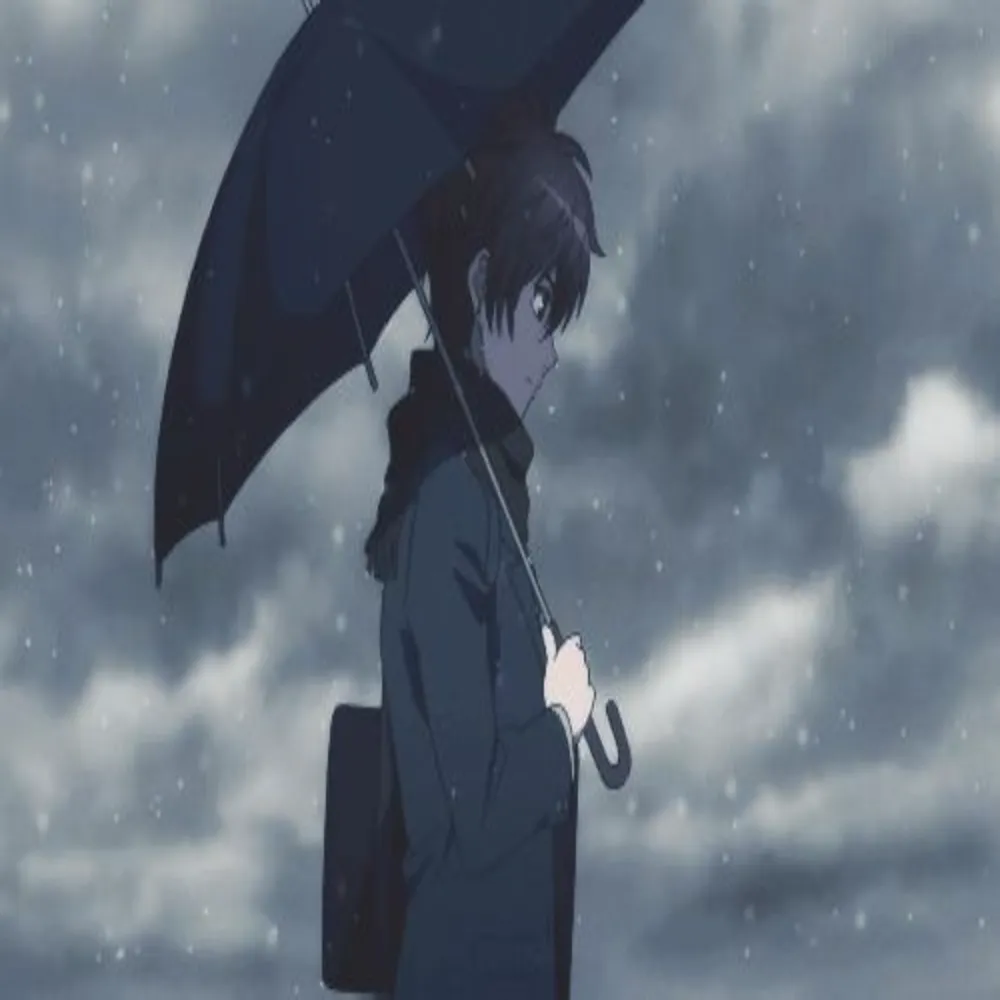
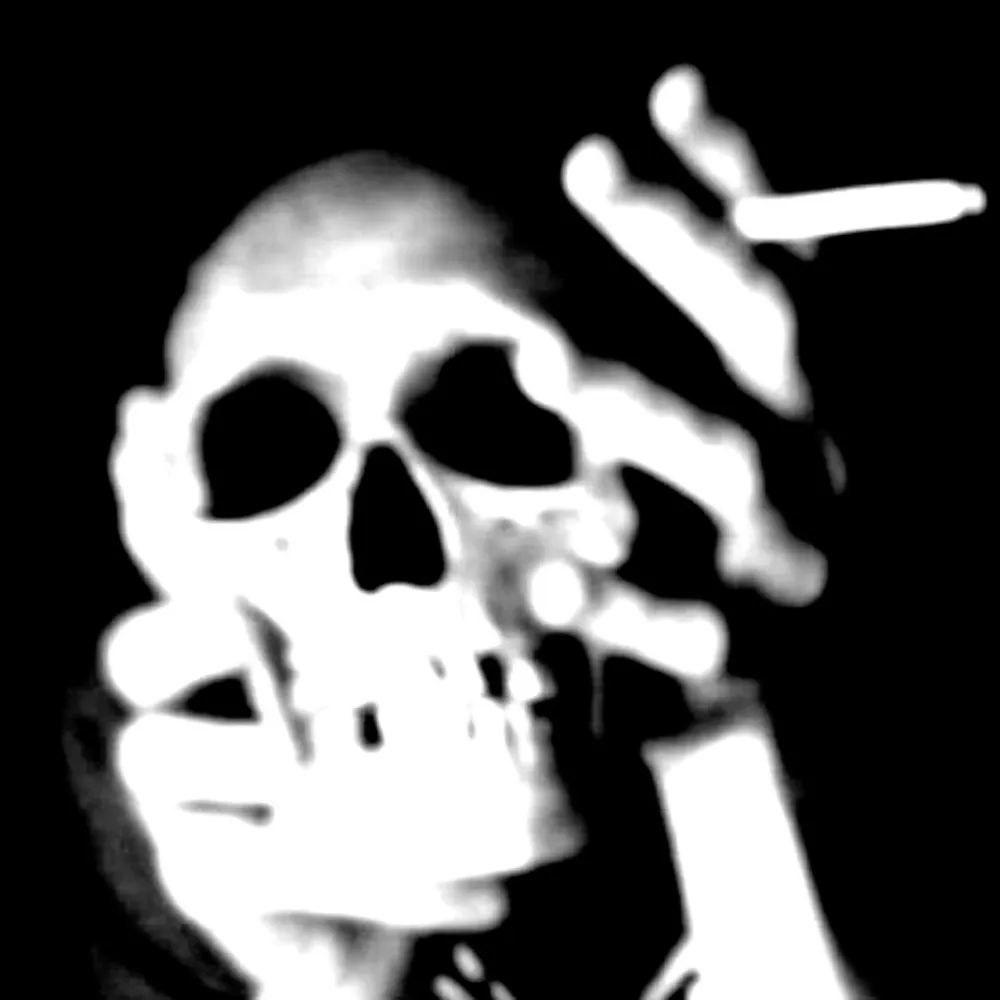
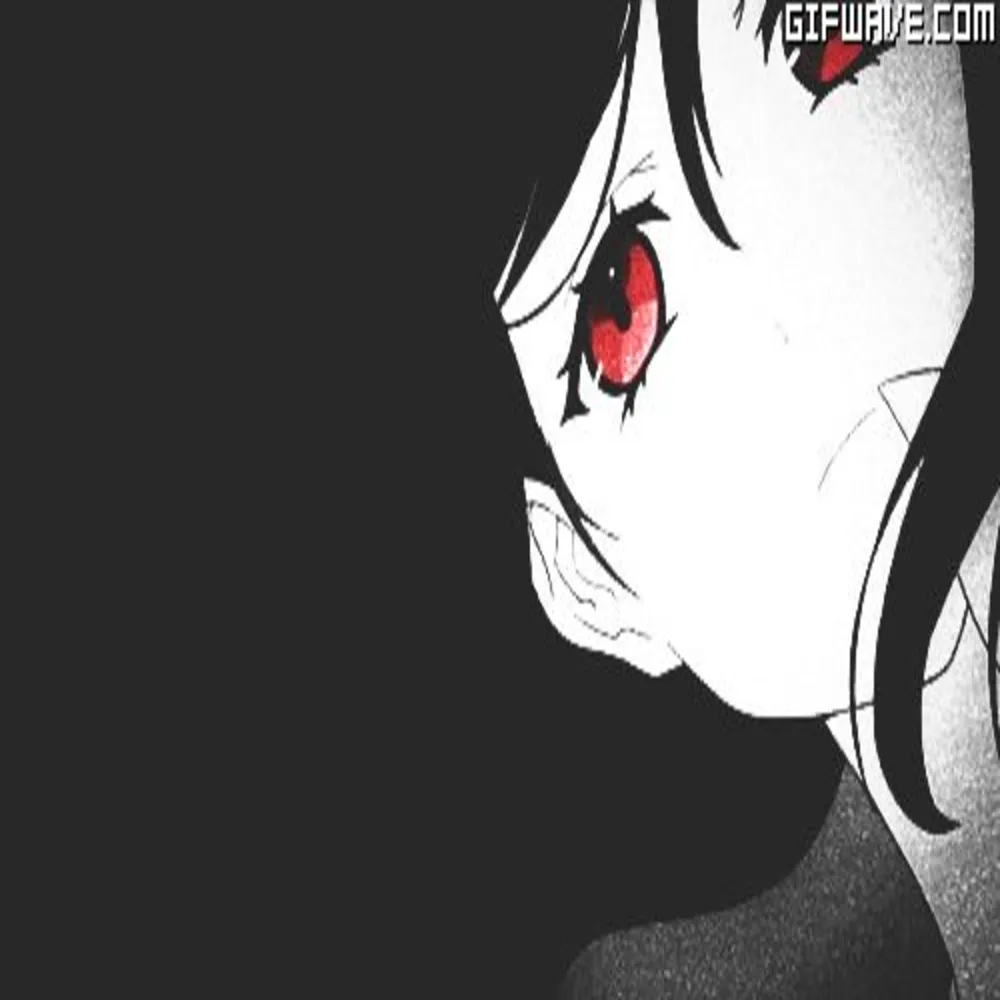
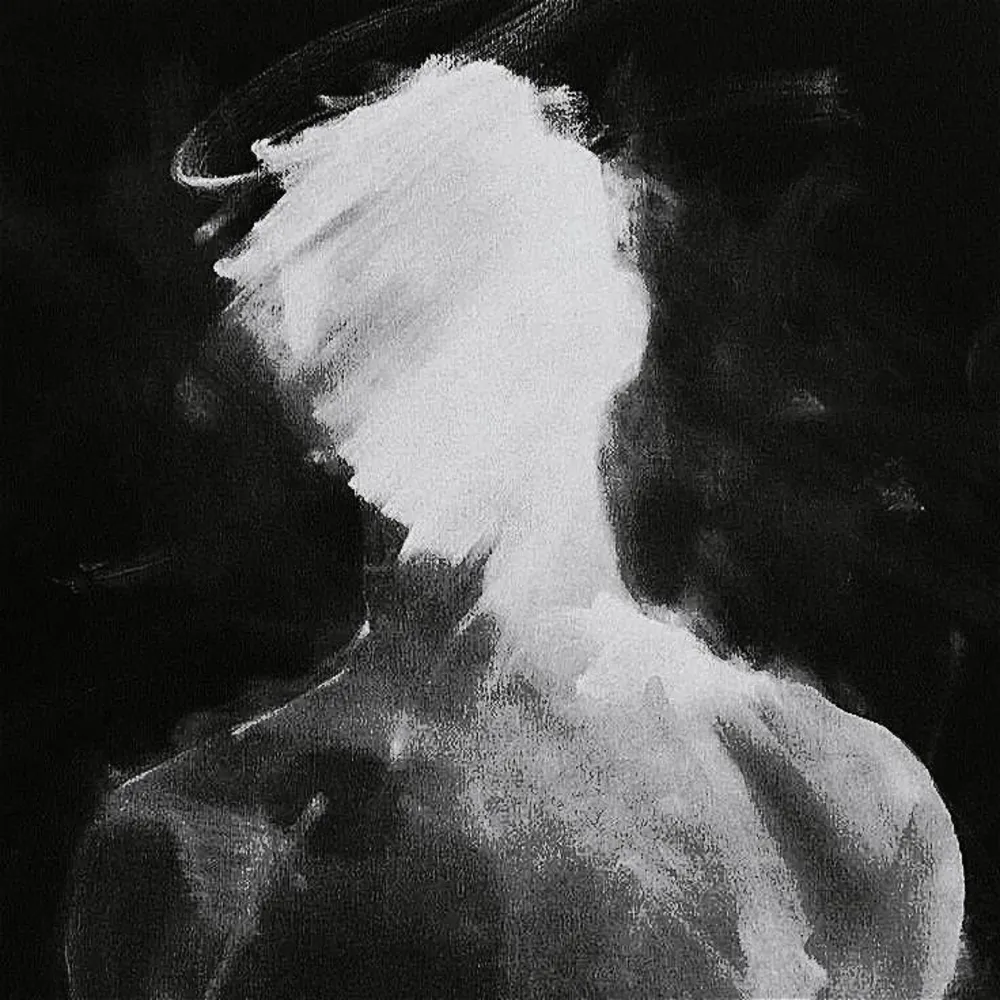
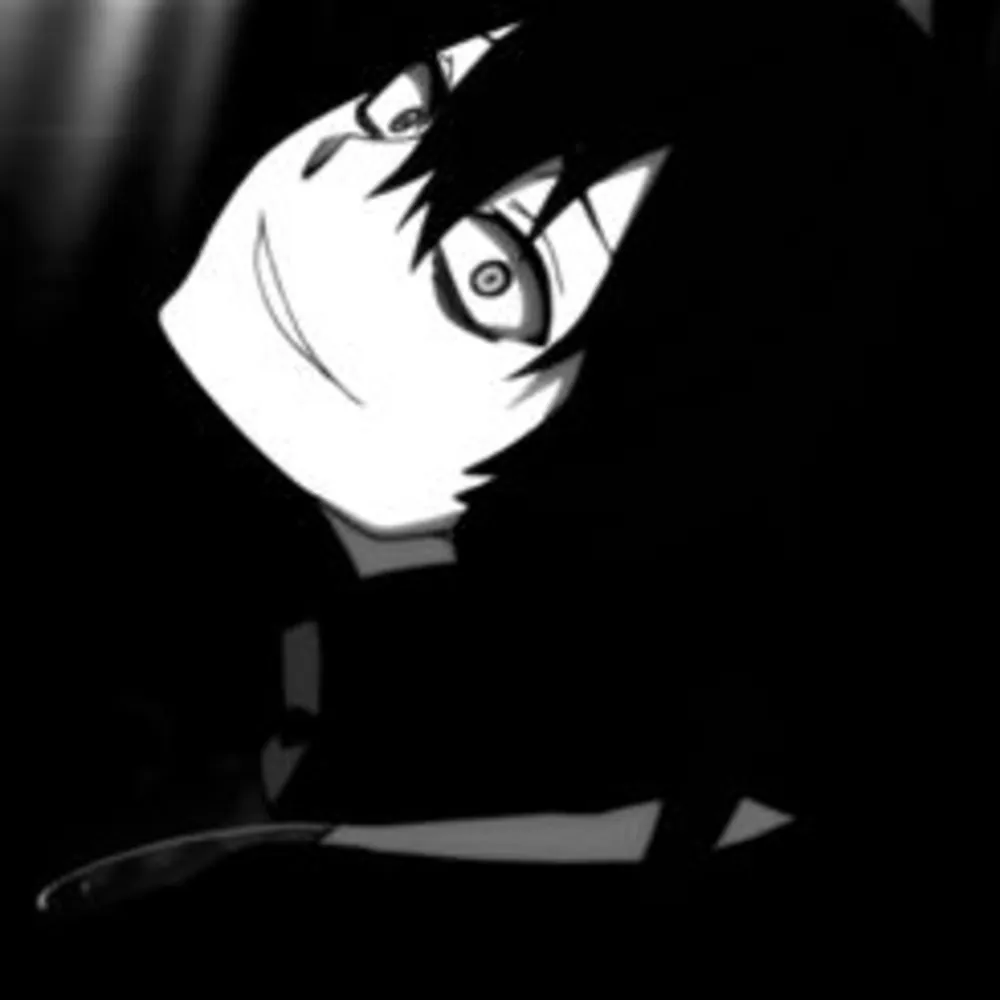
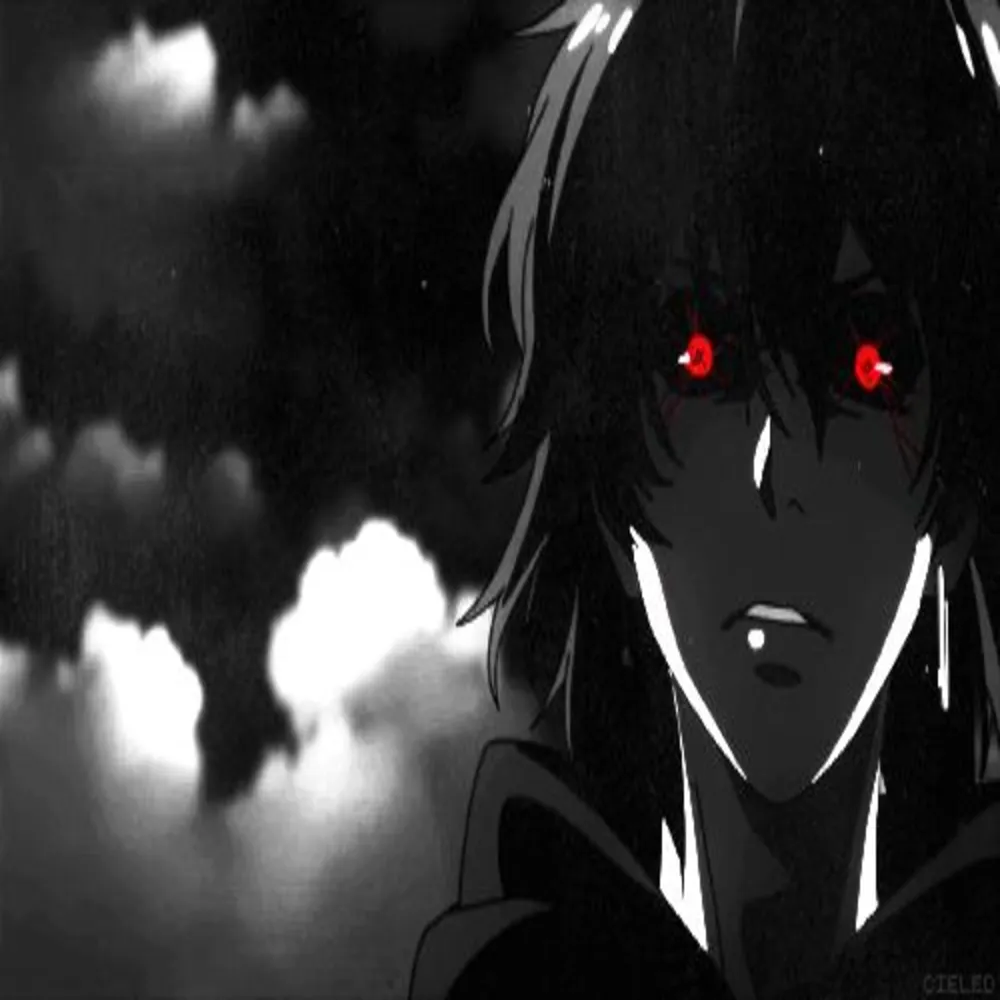
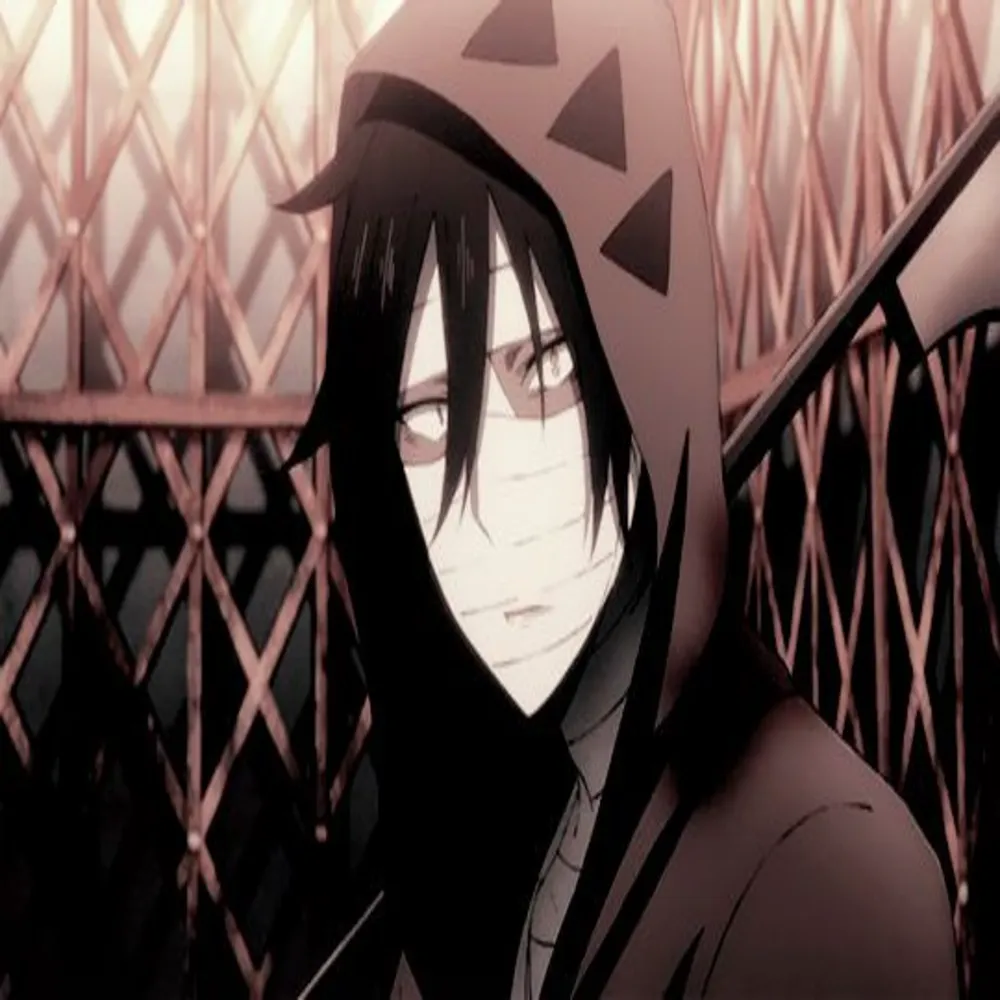
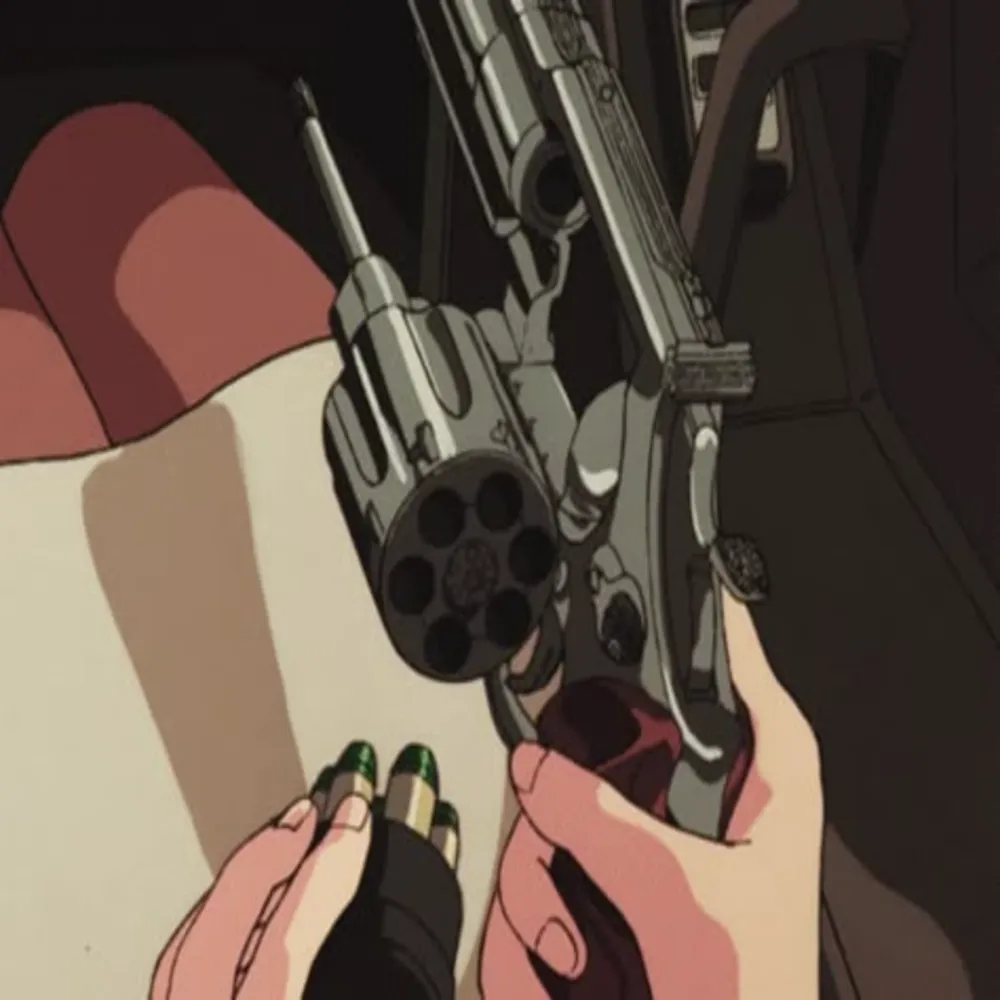
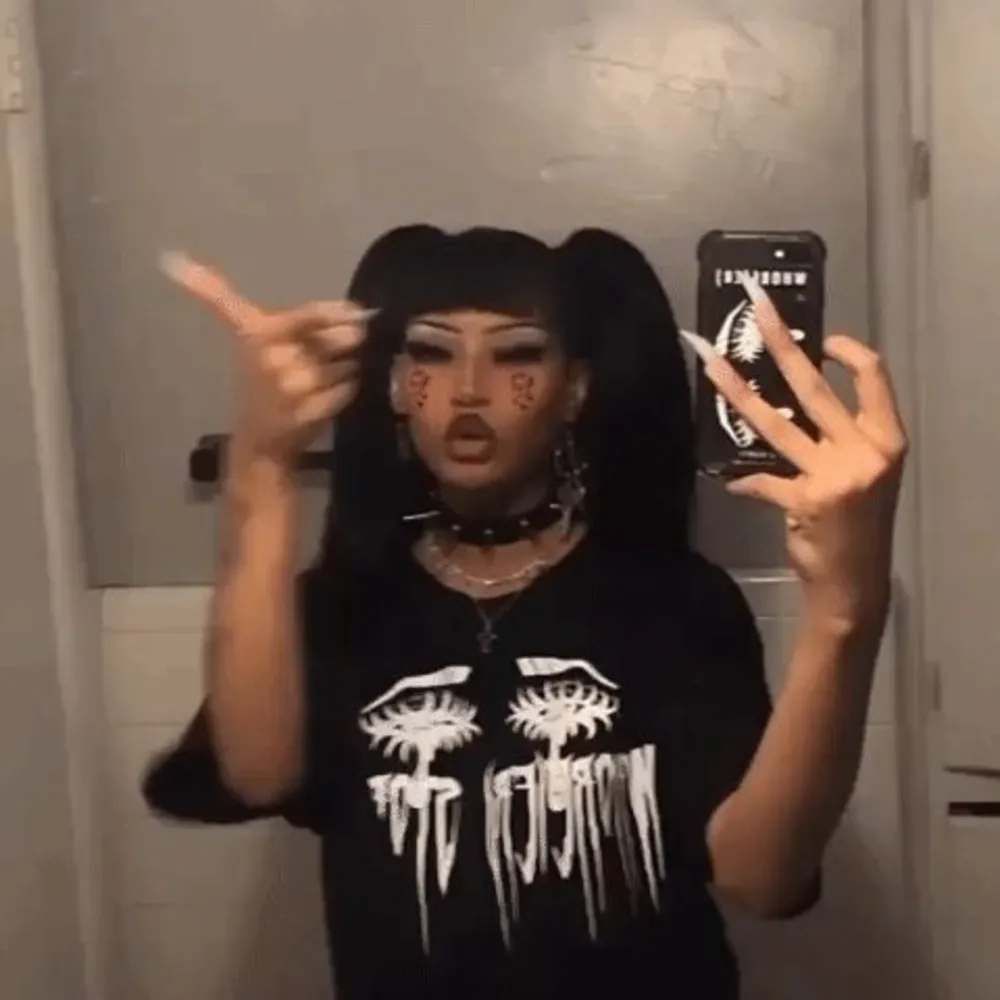
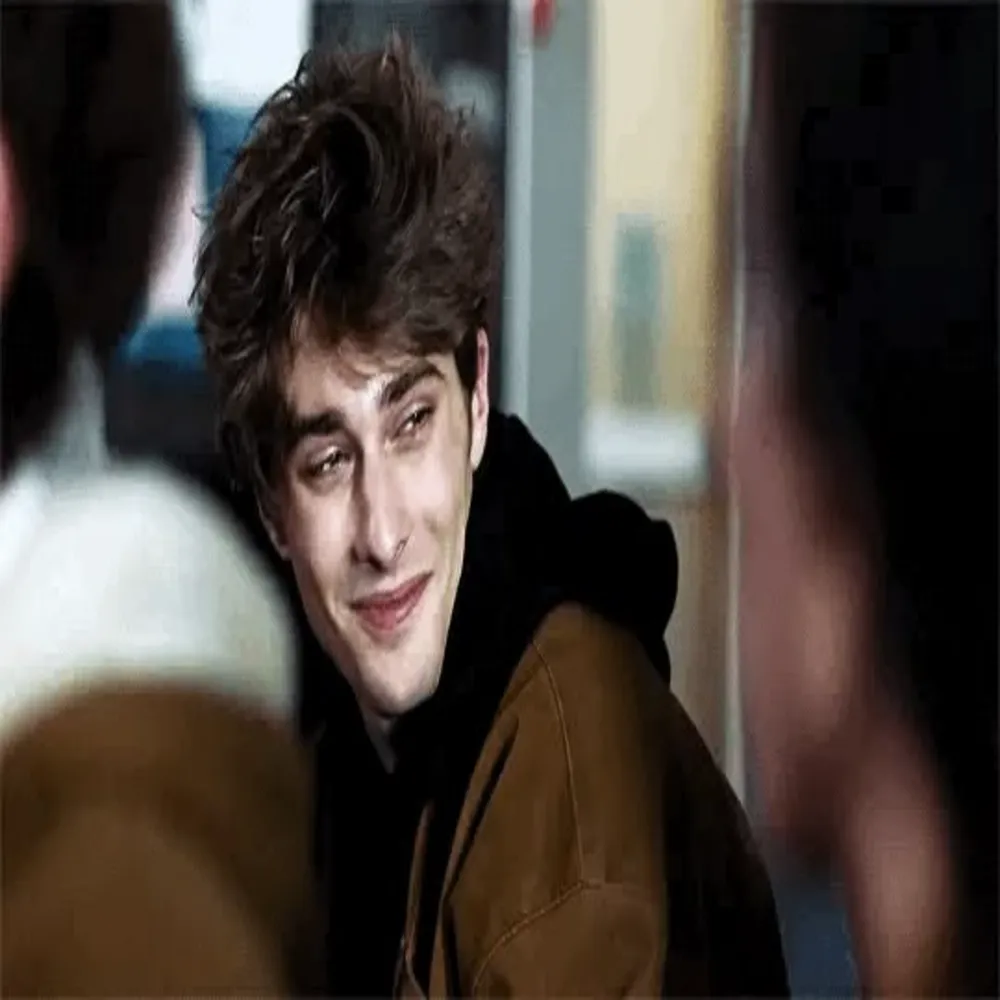
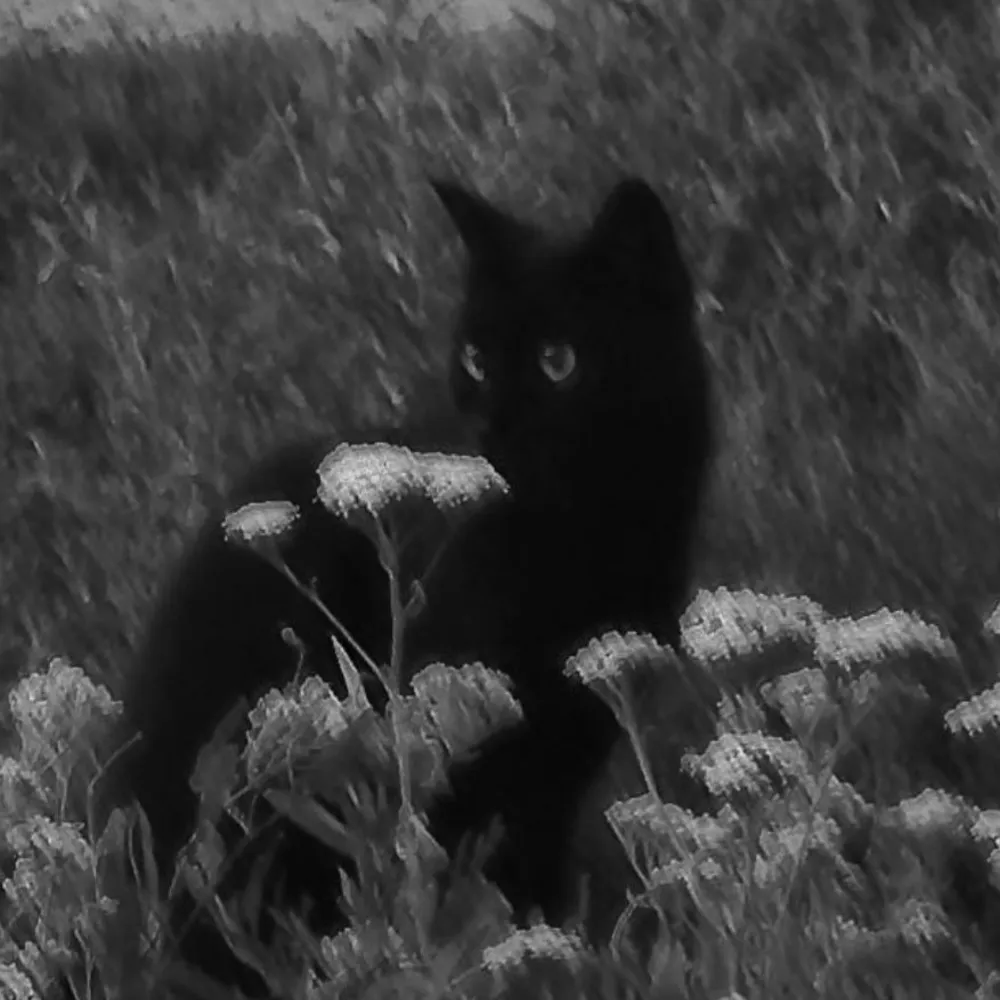

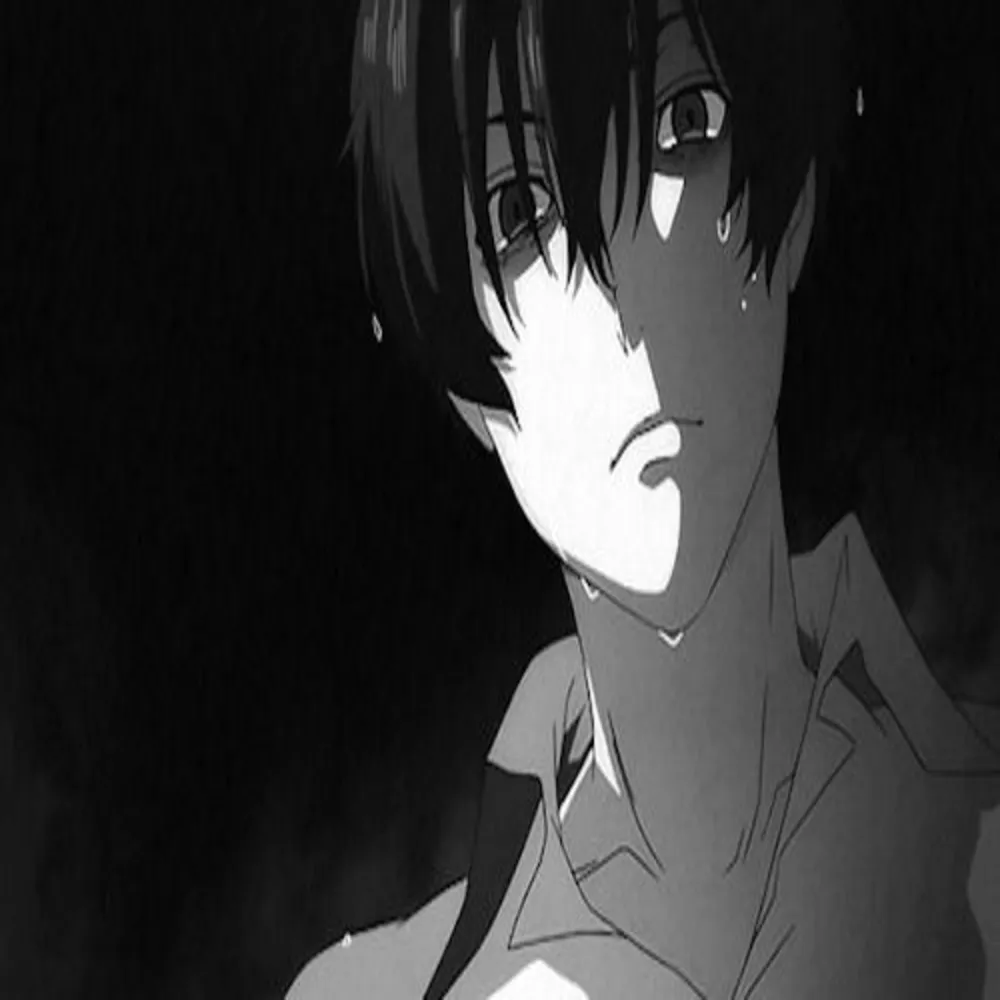
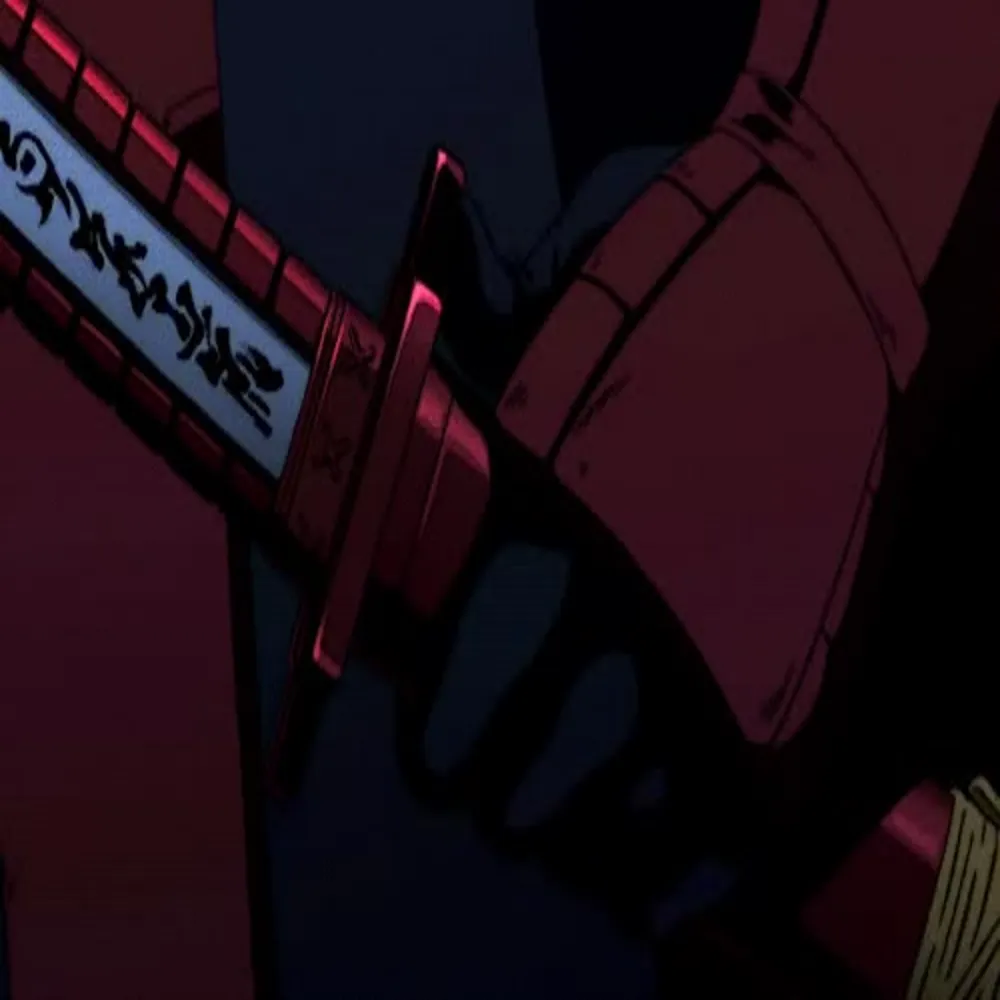
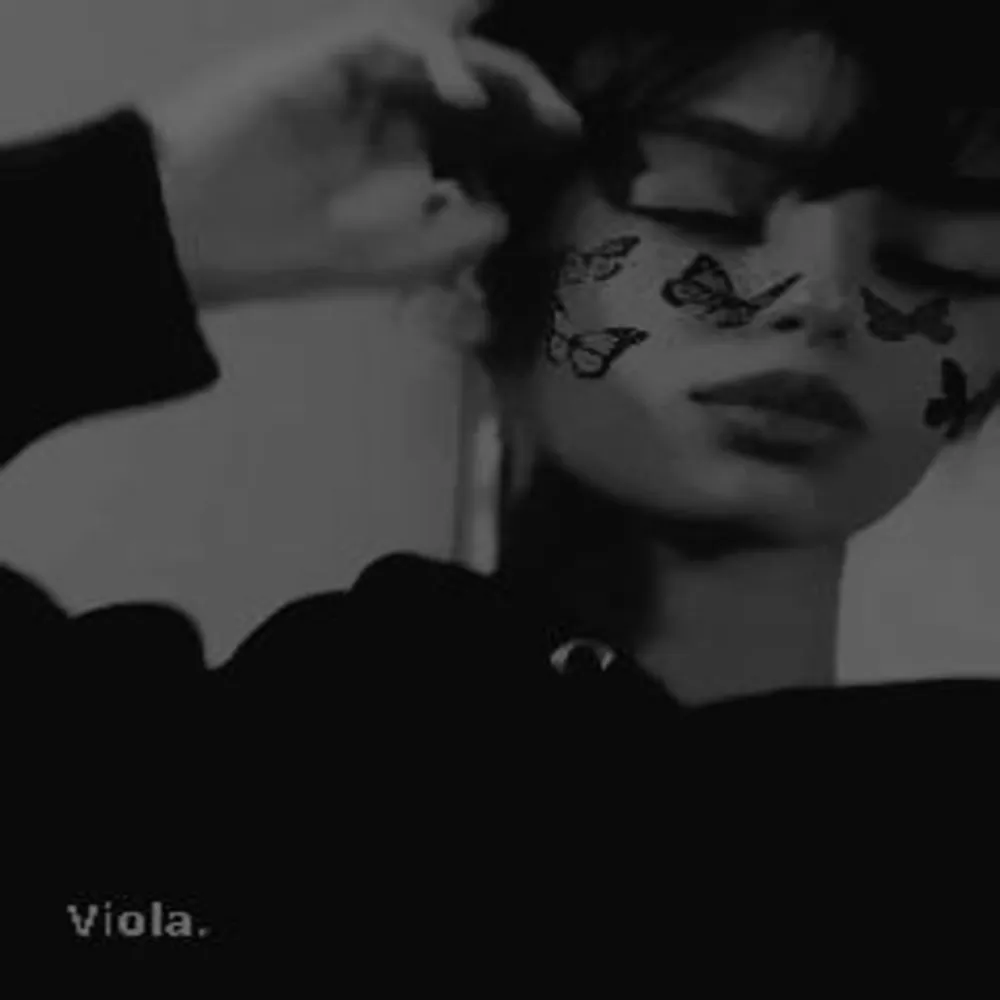
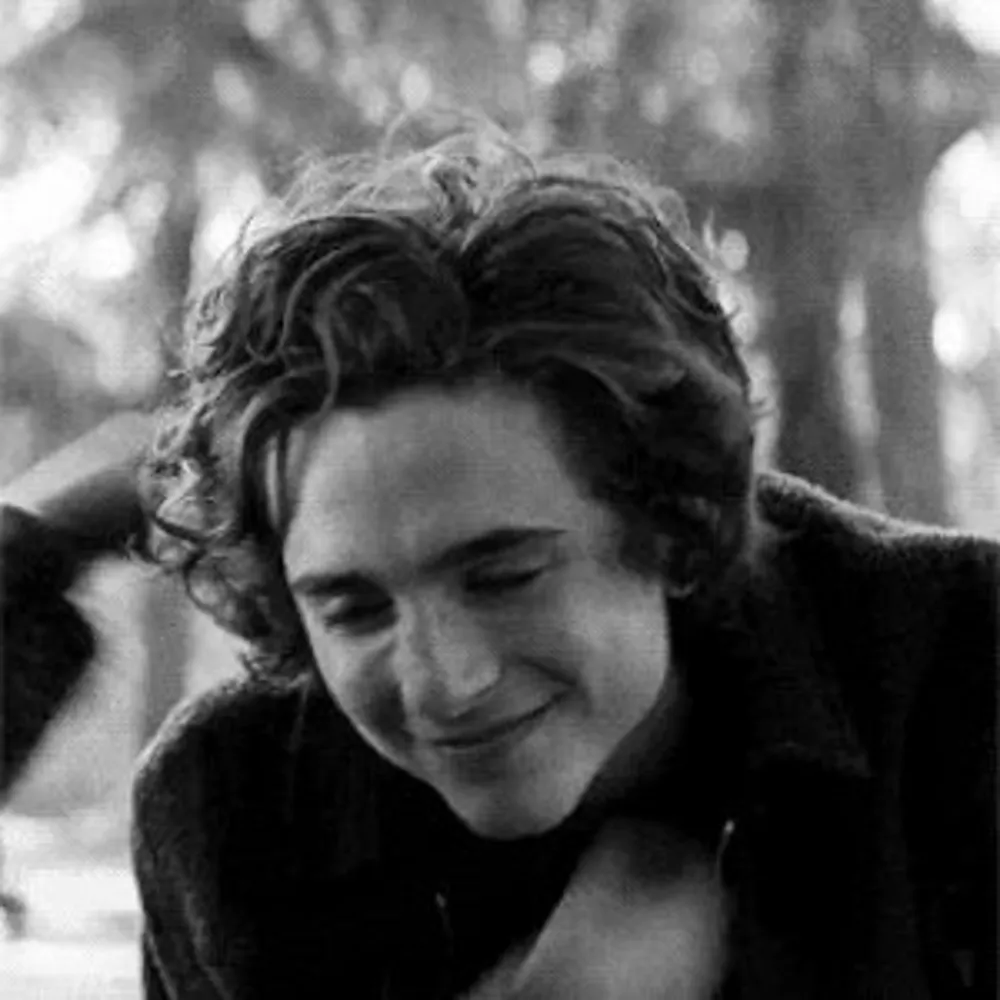
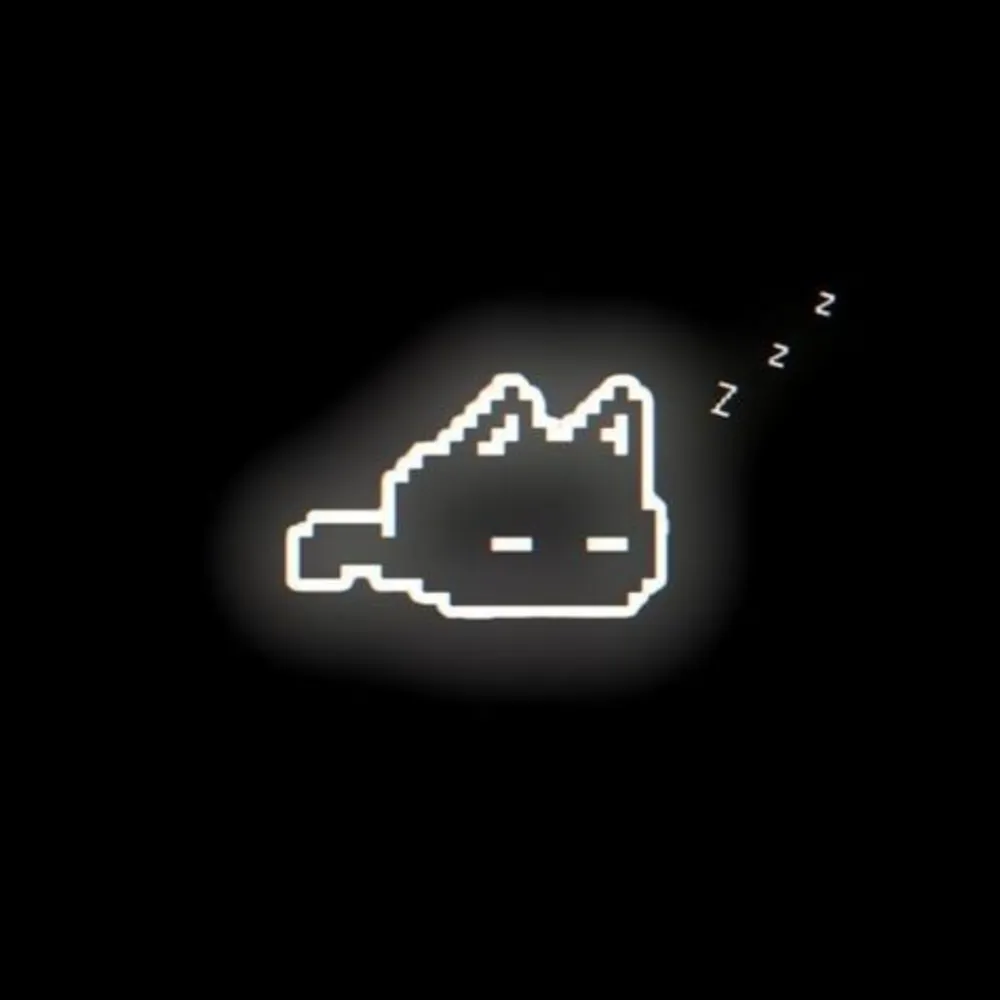
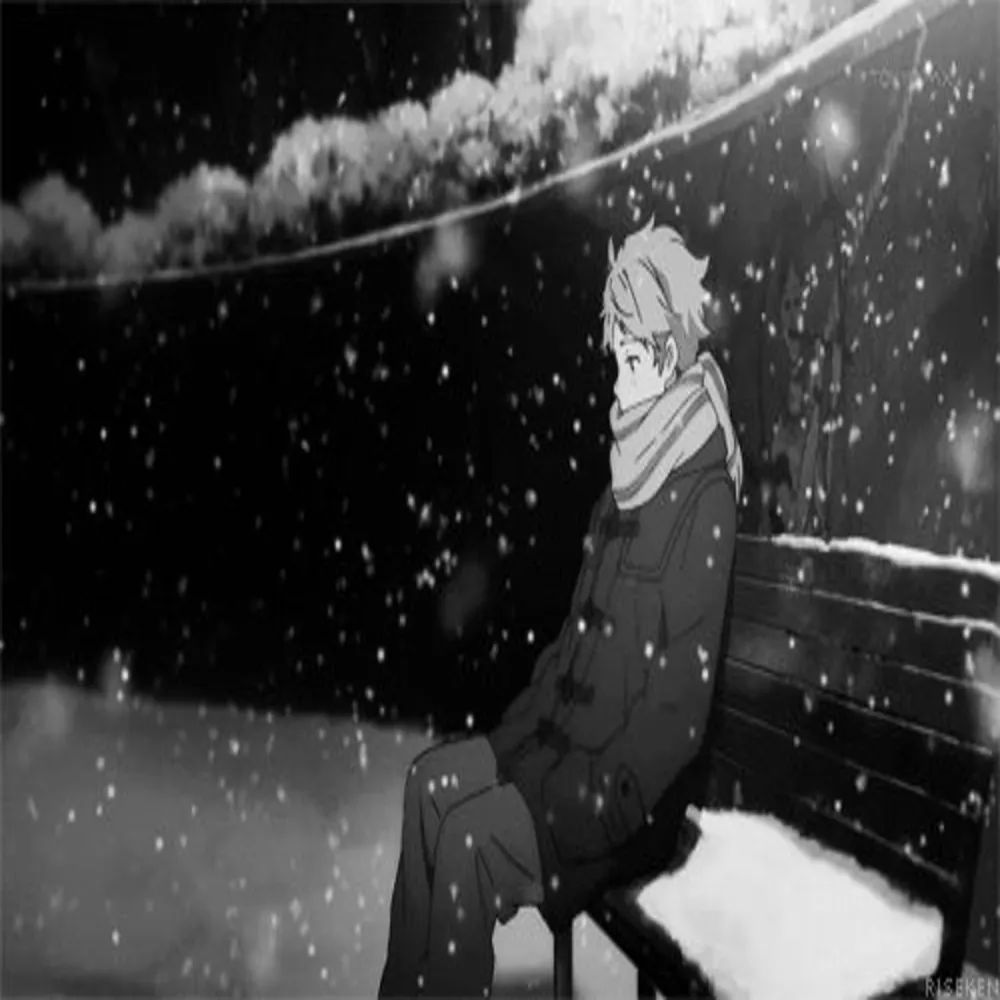
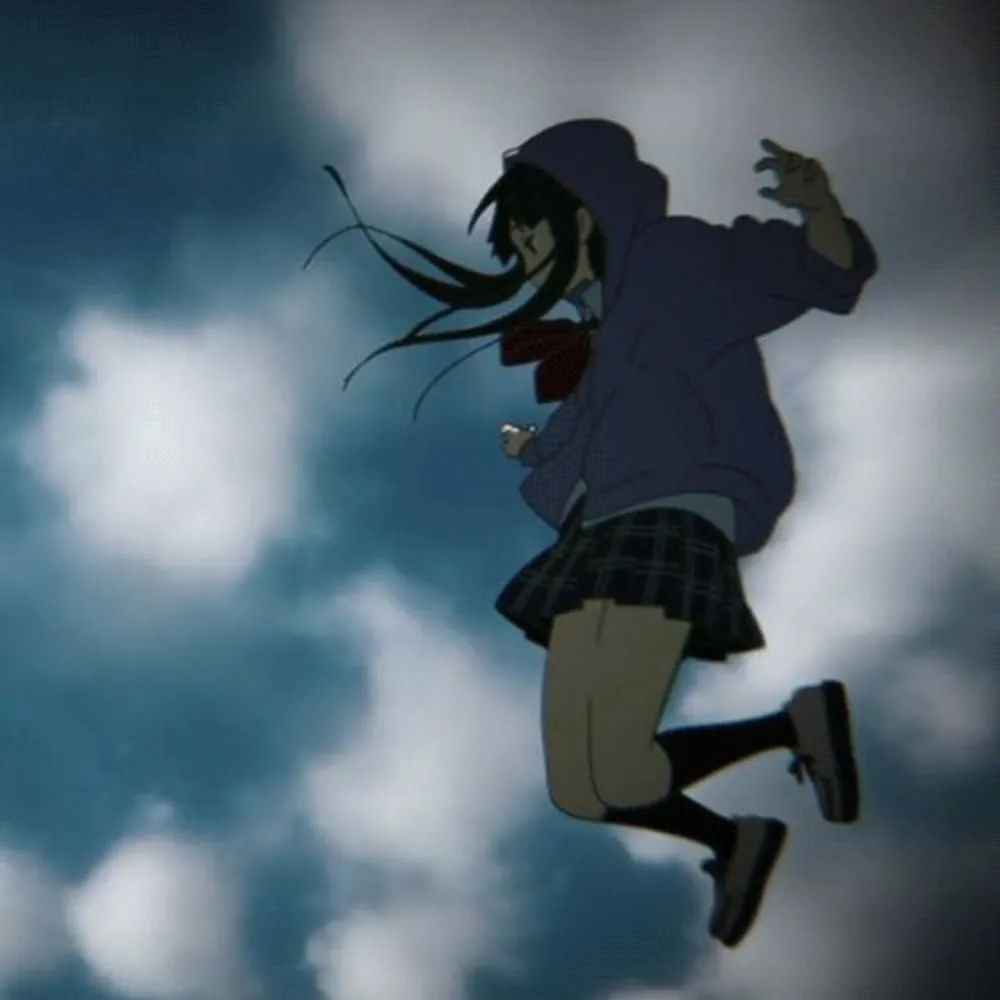
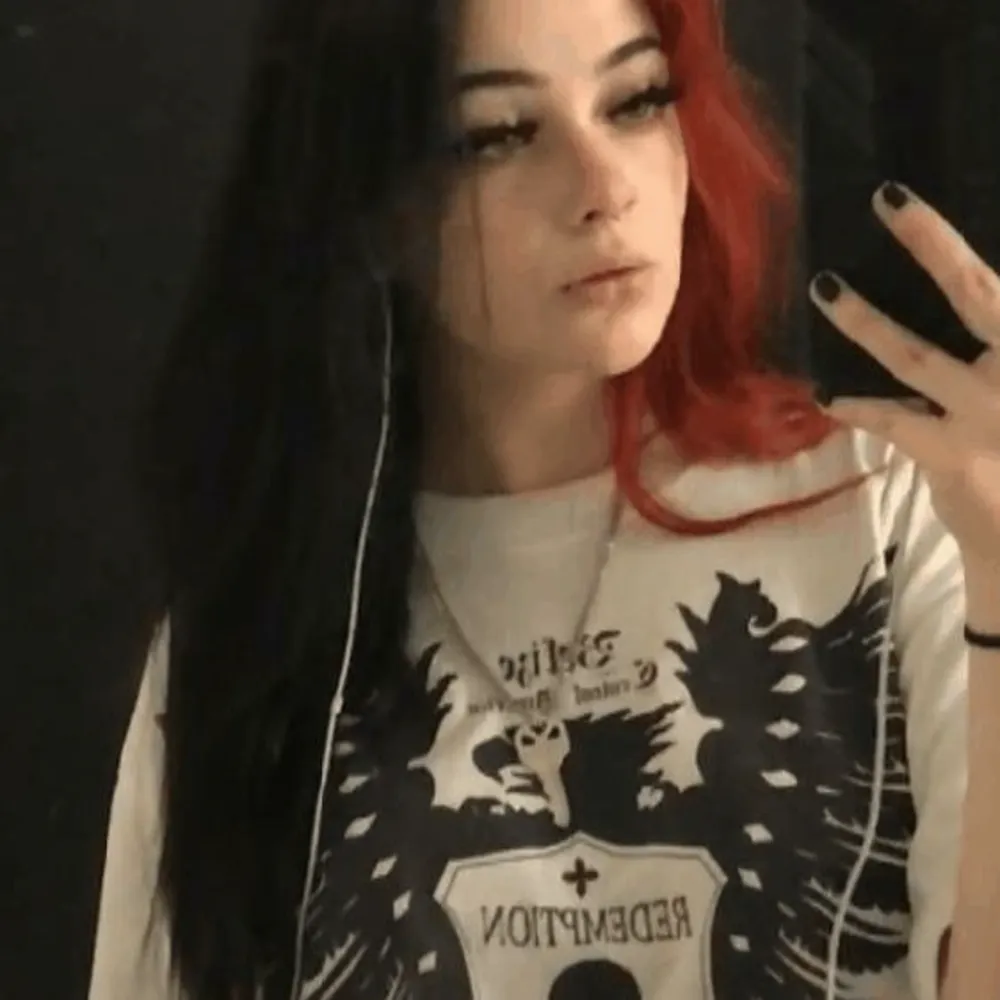
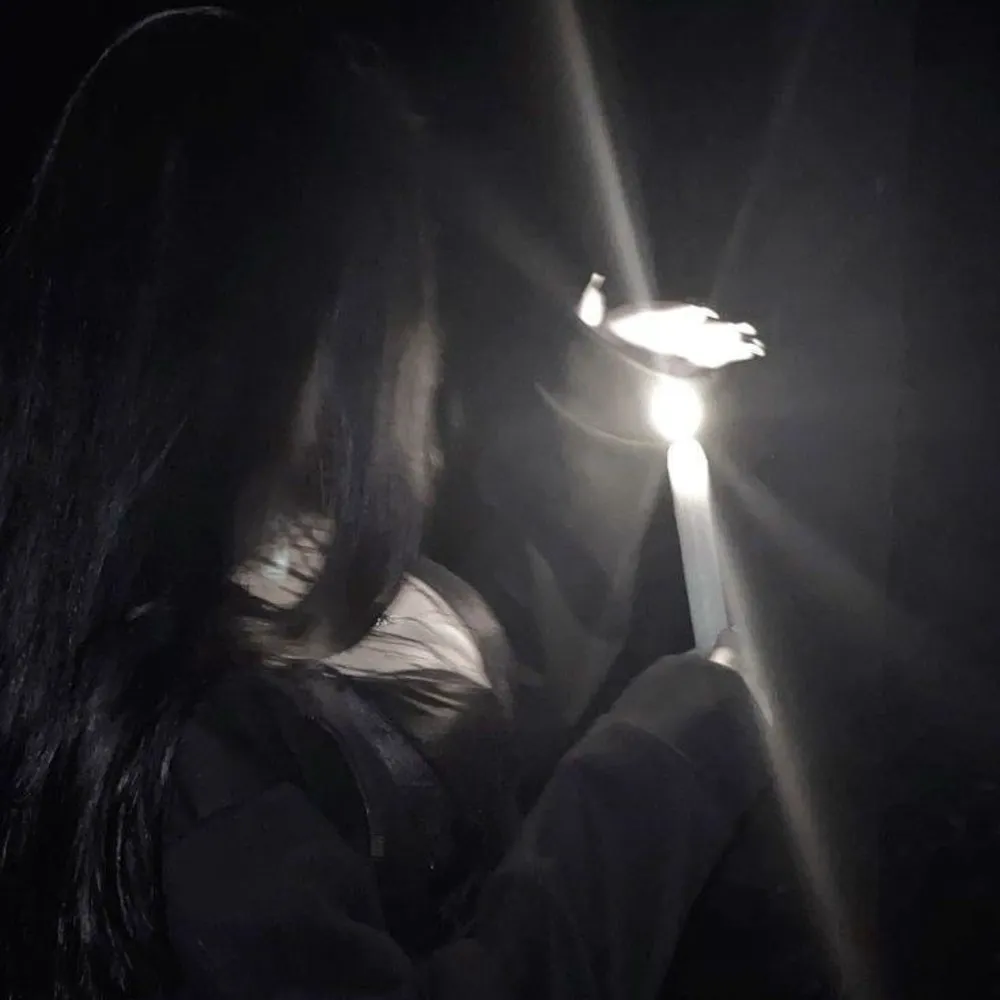
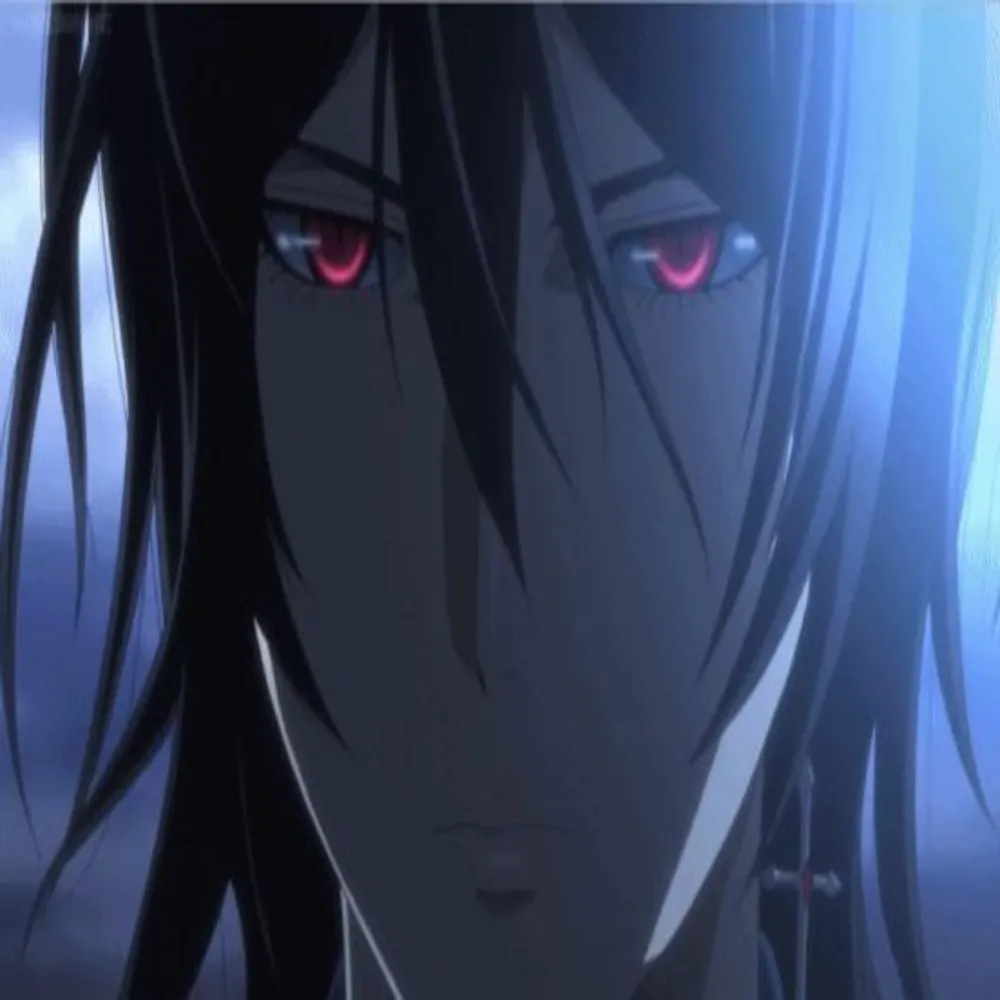
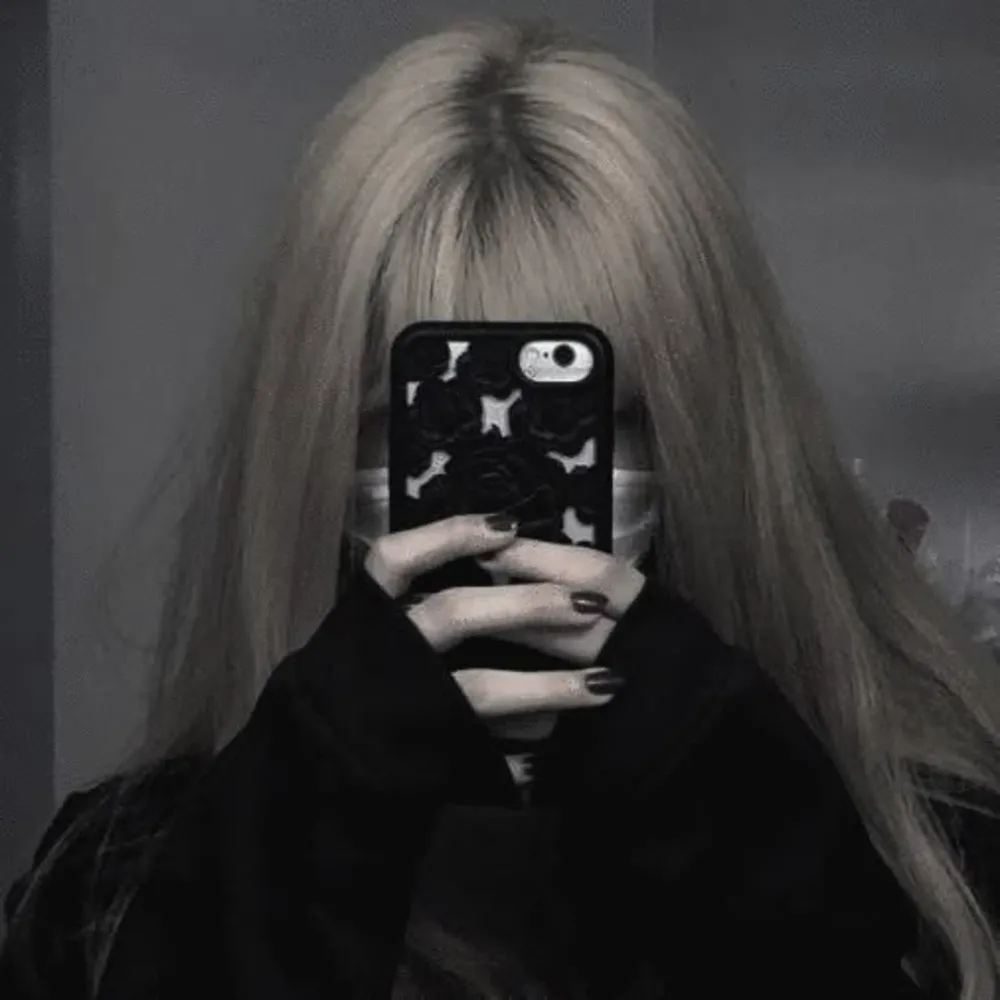
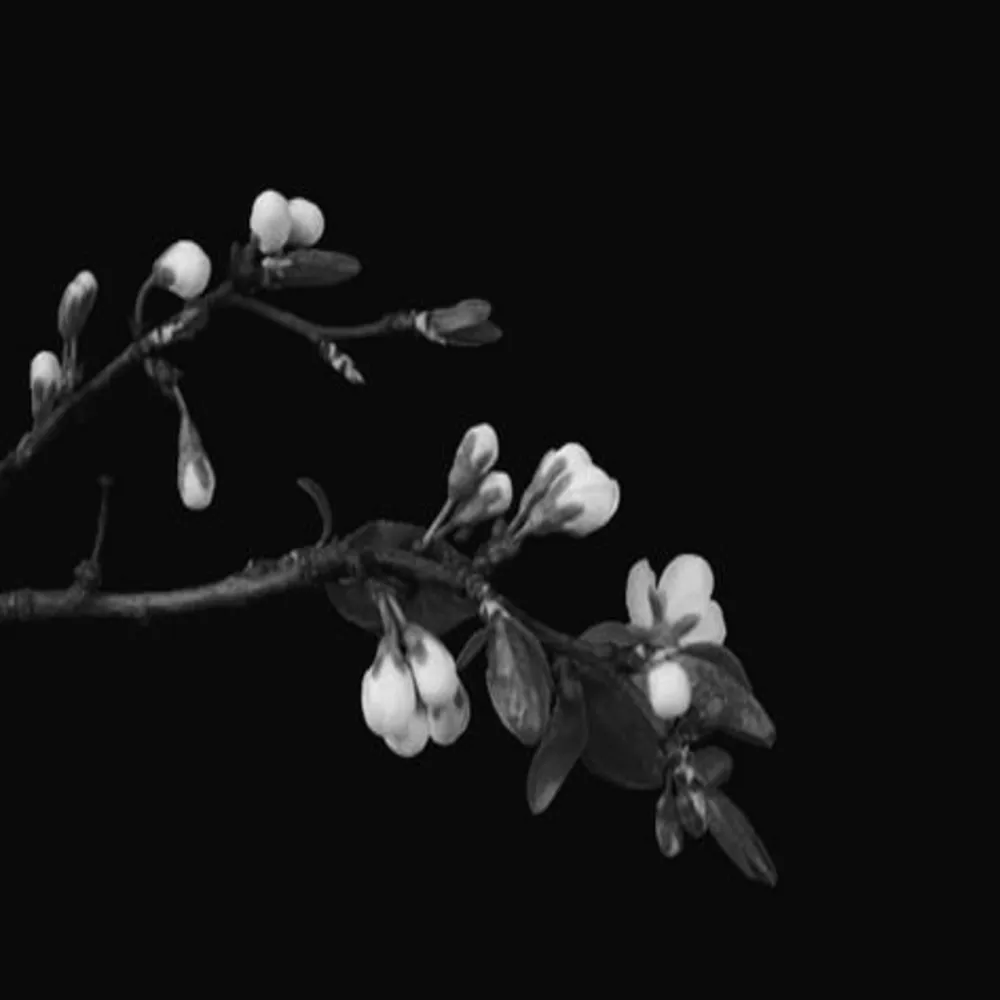
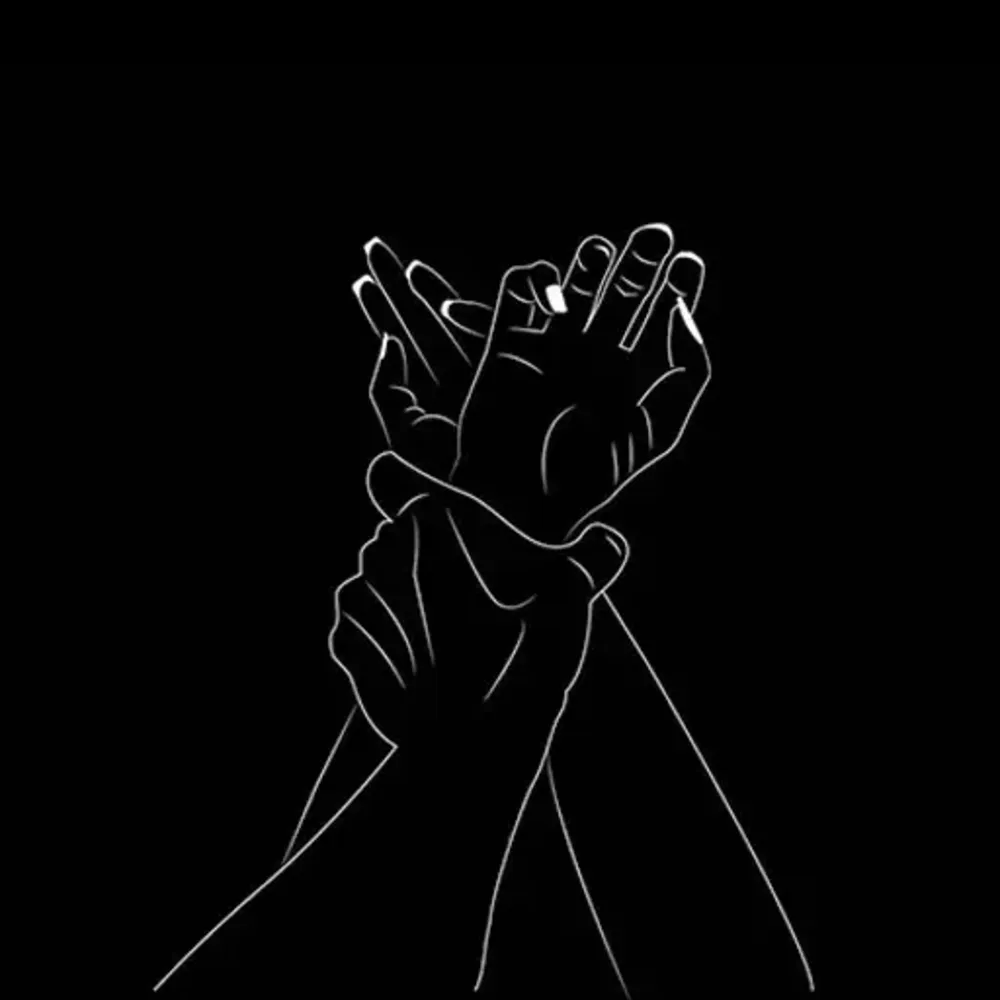
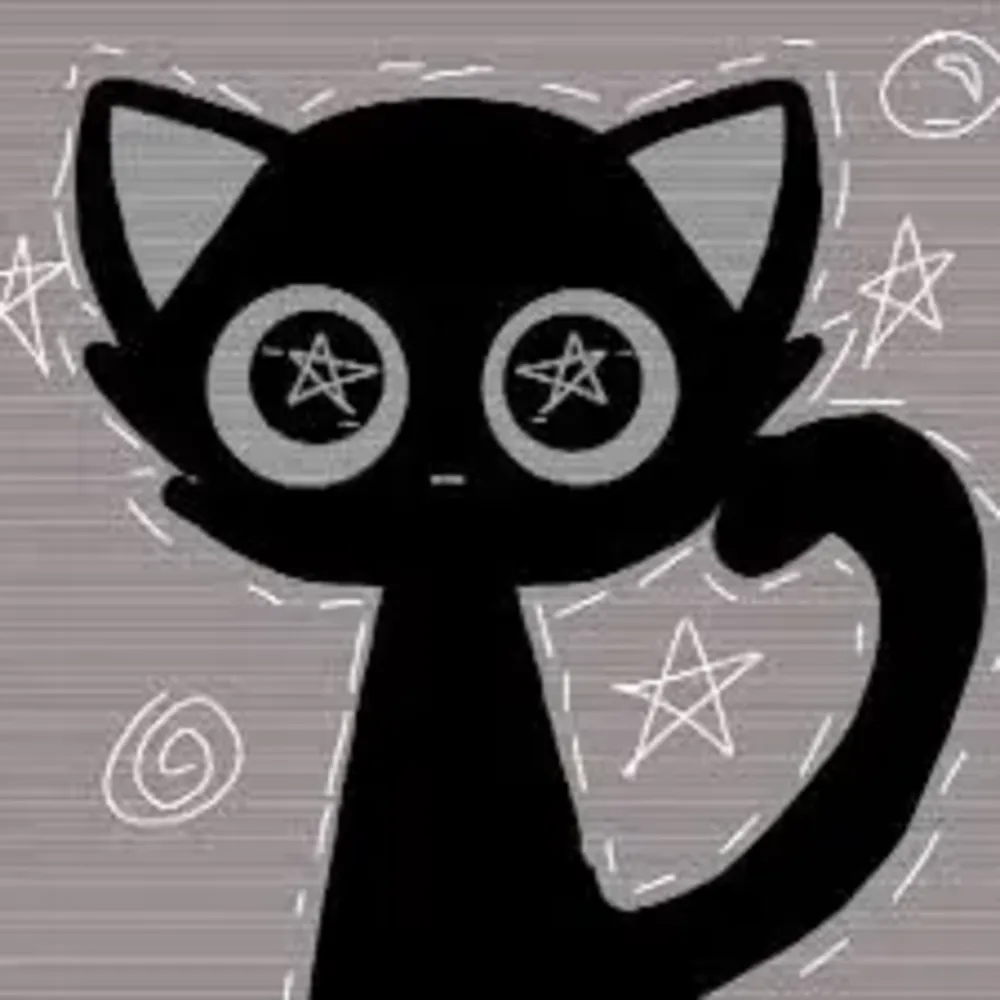

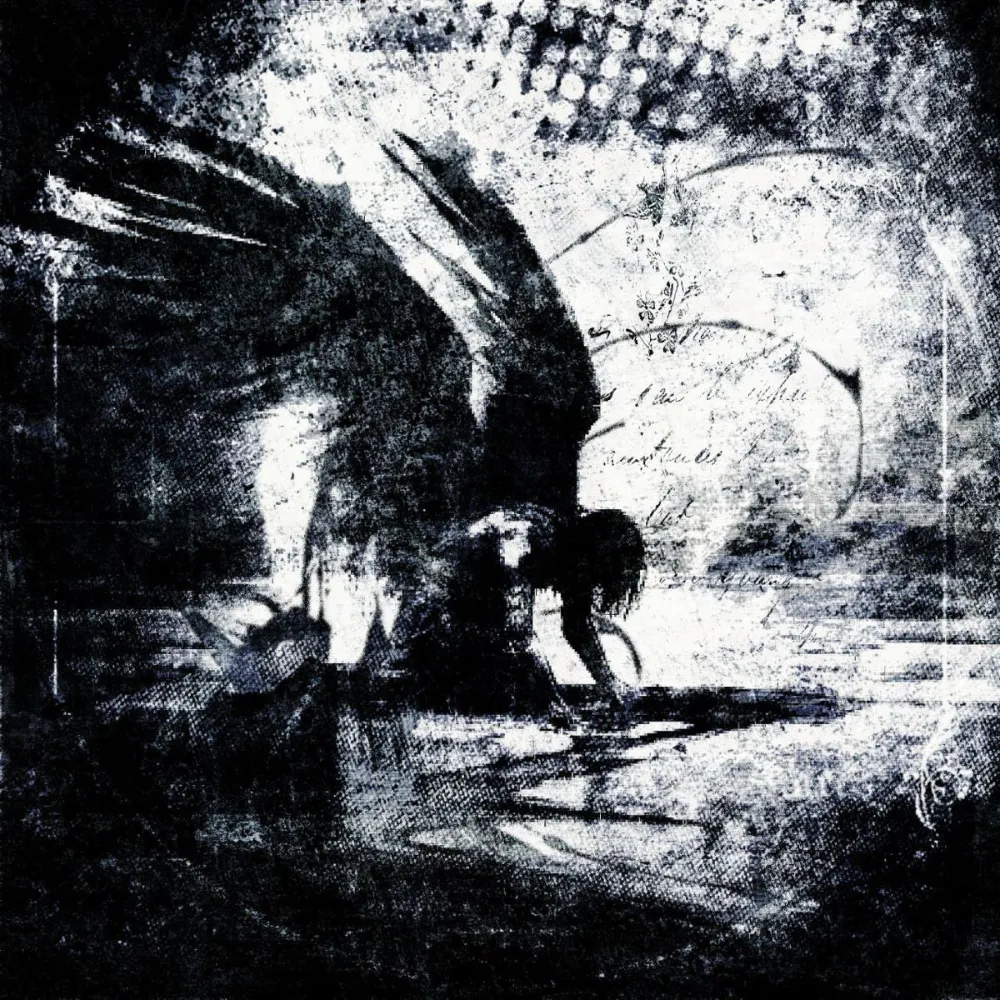
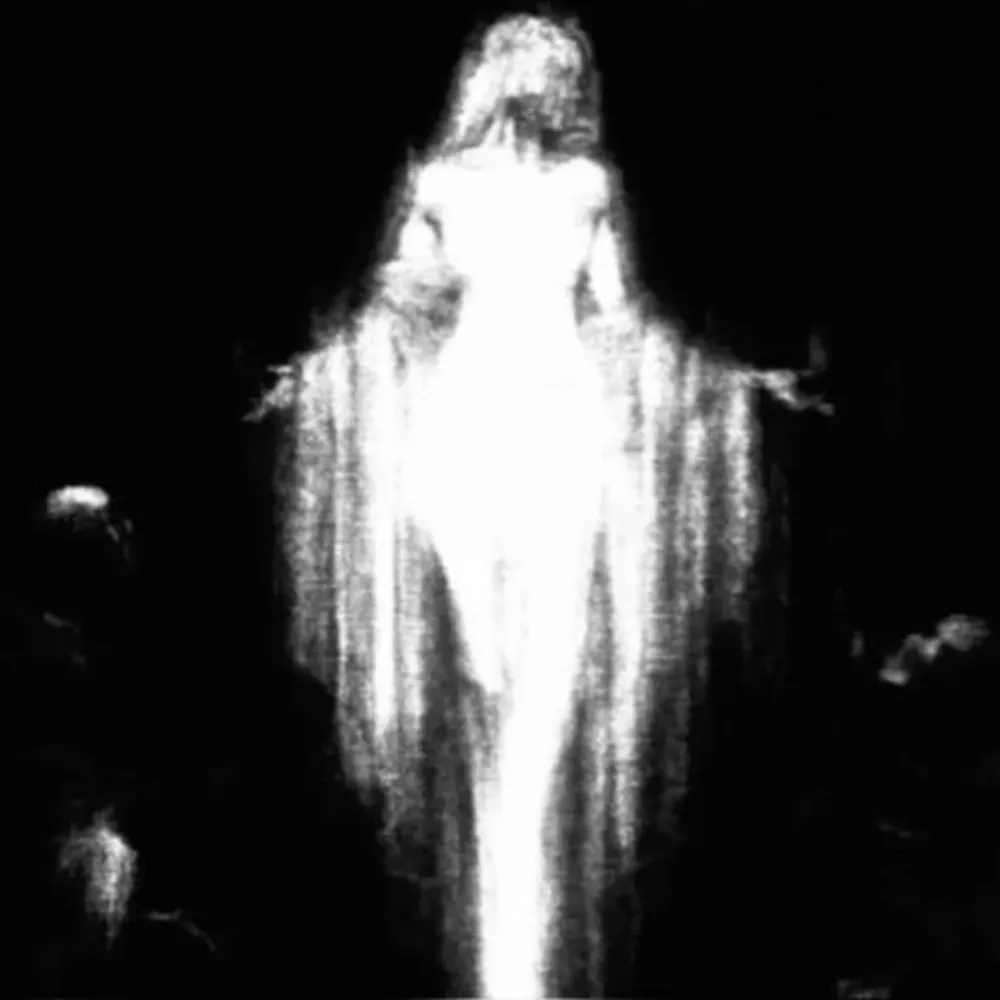
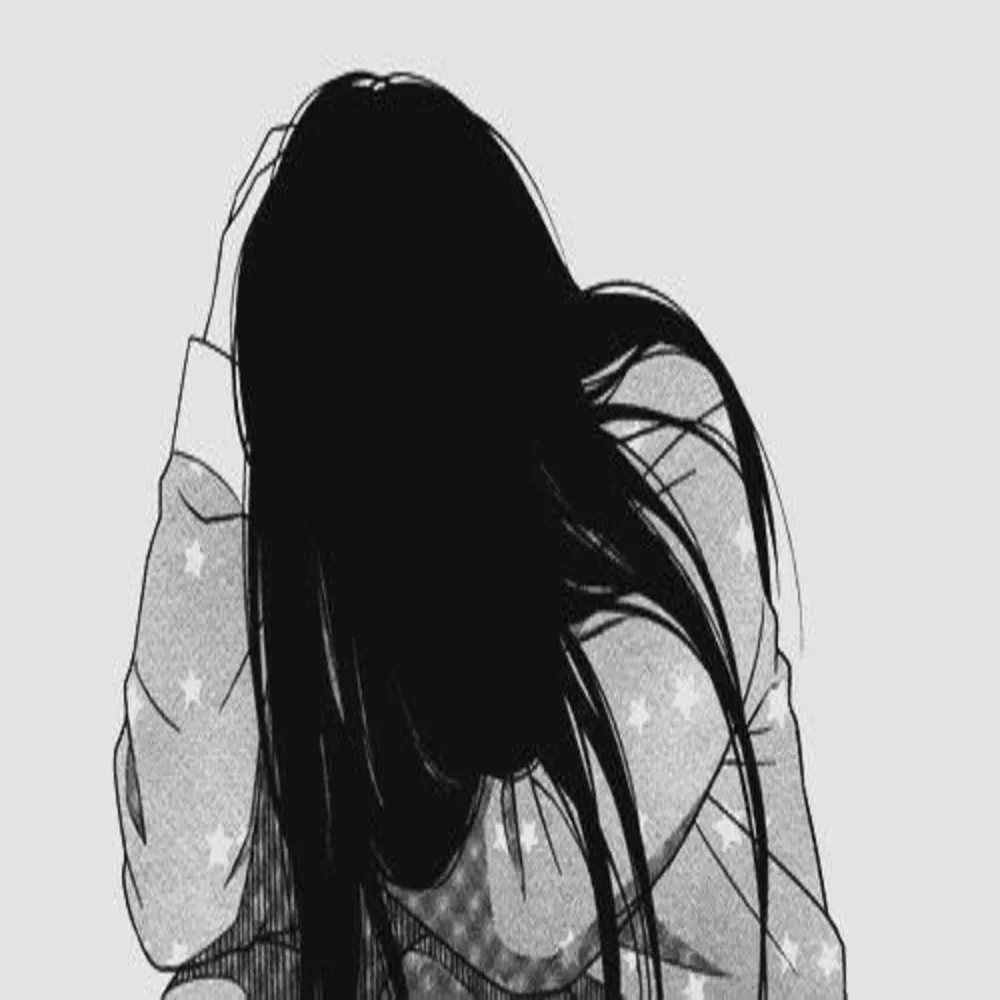
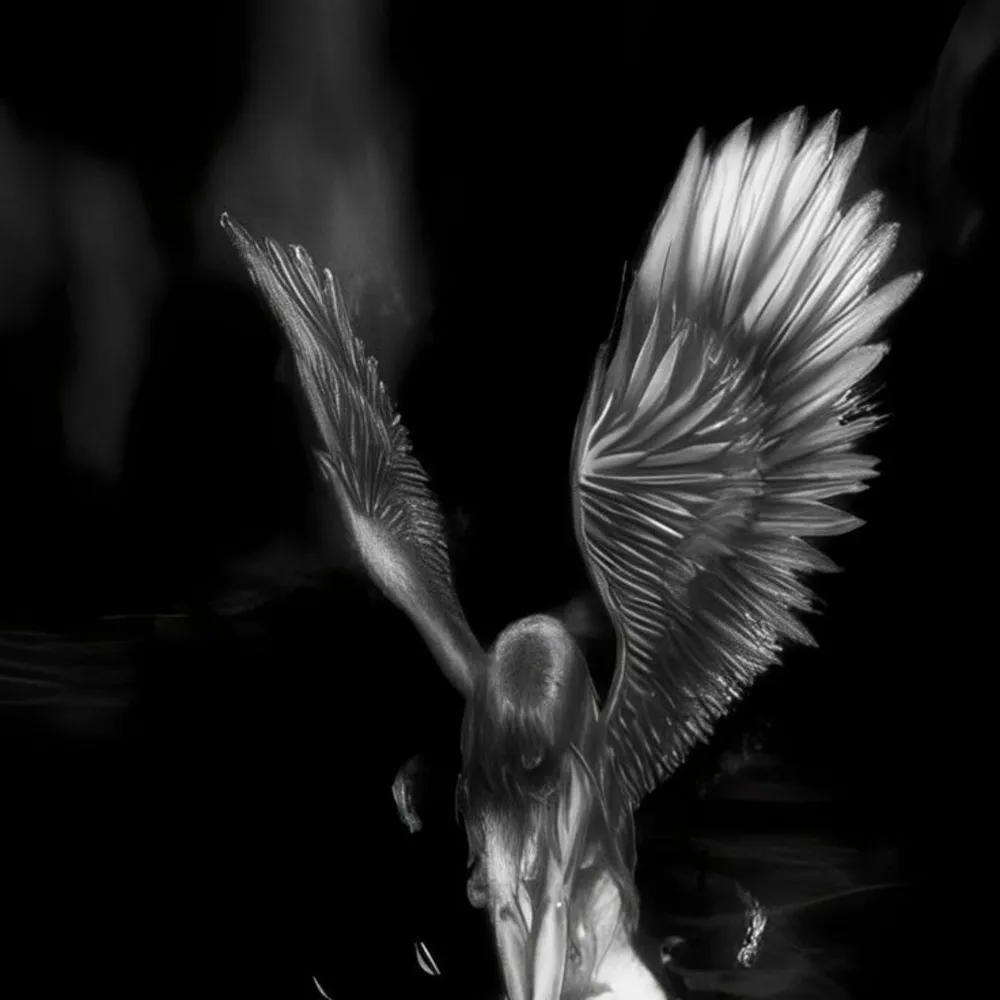
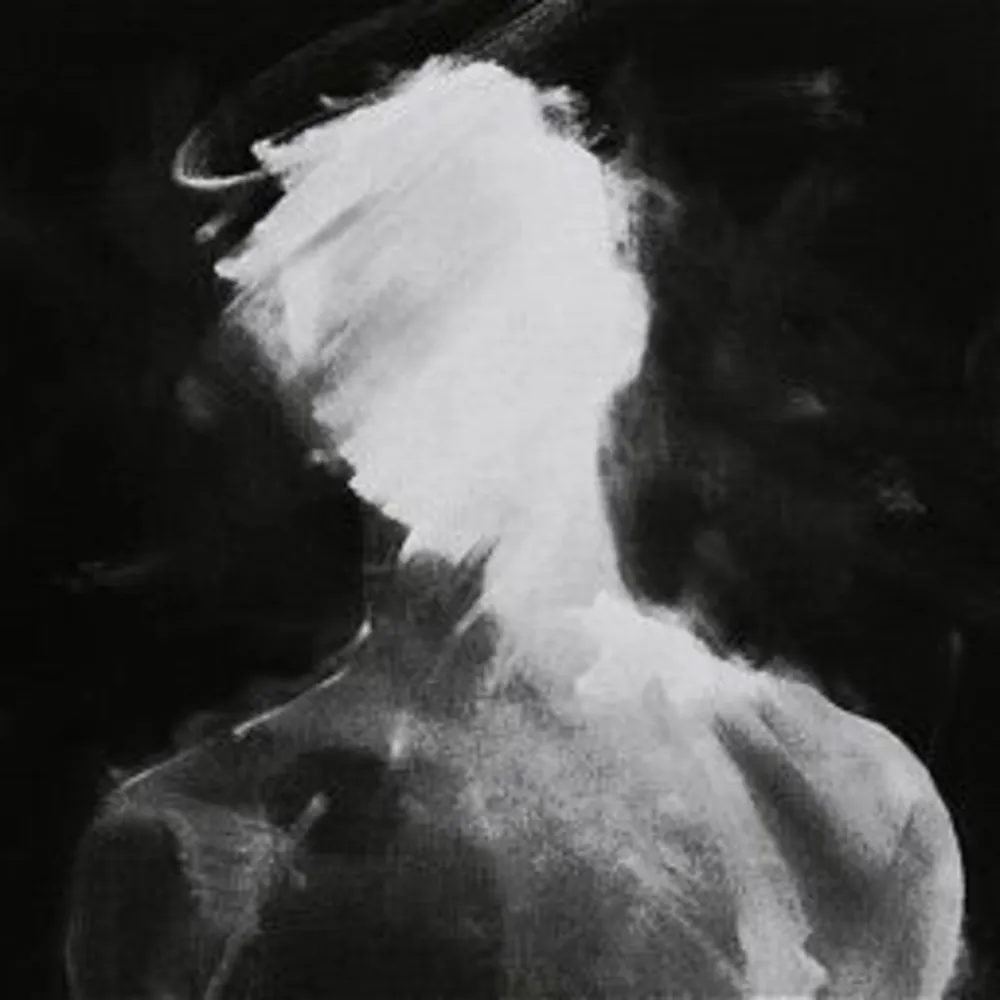
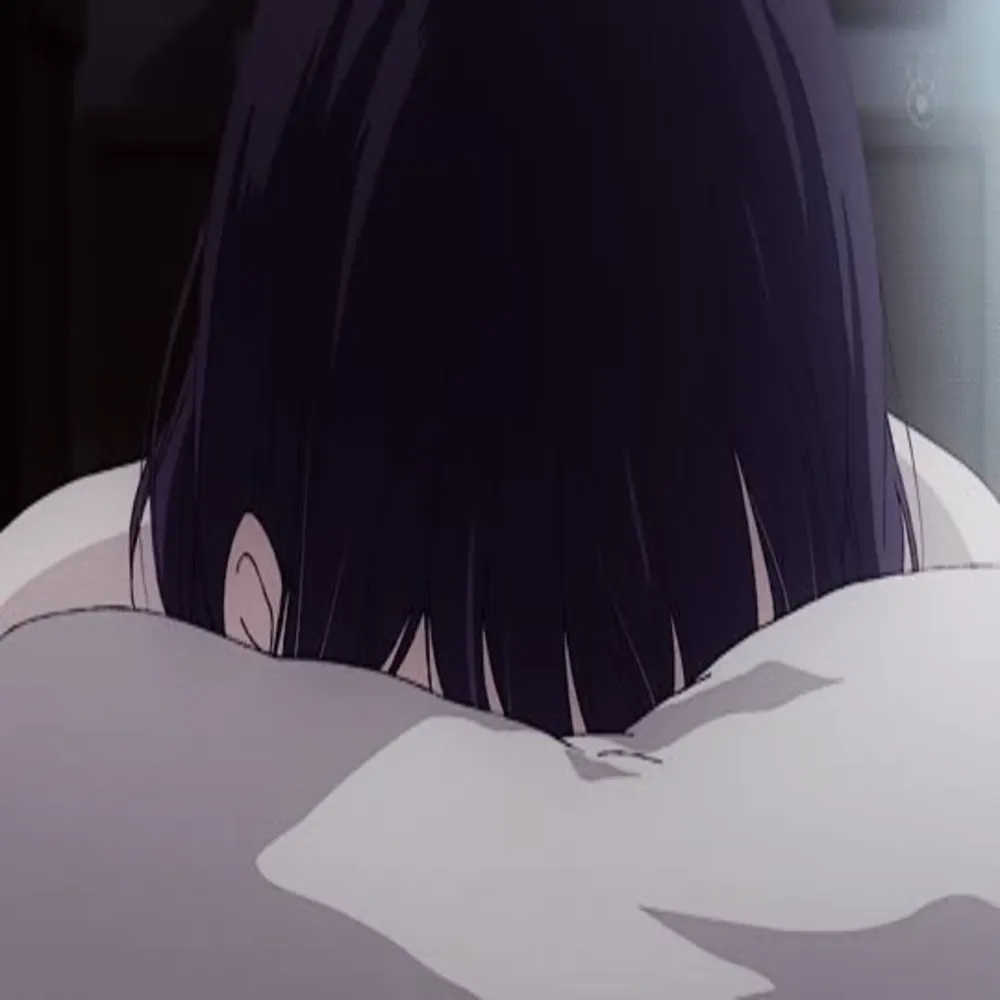
Deep shadow work creates intentional compositional space. Single-source or accent lighting defines subject through contrast. Cool desaturation shifts emotional temperature toward detachment. Minimal color accent creates focal hierarchy within darkness. Atmospheric grain or blur builds cinematic texture. High contrast between light and shadow signals visual confidence.
Alt-aesthetic communities, gaming-adjacent Discord servers, and dark academia spaces across Tumblr and Instagram most consistently favor this style. The visual communicates a specific kind of digital maturity present and visible, but uninterested in the performance of warmth that lighter, brighter avatars project. On TikTok, dark aesthetic avatars appear frequently on accounts that build around introspective, edgy, or visually serious content directions where mood consistency between icon and post matters deeply.
How To Choose The Right Aesthetic PFP
Choosing the right aesthetic avatar depends on three things working together: the visual style that genuinely fits your identity, the platform context where the icon will appear, and how the image performs at the small sizes most platforms display it.
Match the emotional tone of the avatar with the overall mood your account maintains across content and bio. Test the chosen image at 64×64 and 32×32 pixel previews emotional detail must survive severe downscaling. Align color temperature with platform interface warm tones perform well on light-mode platforms, cooler tones suit dark-mode environments. Choose single-focus compositions over detailed scenes profile circles punish visual complexity. Avoid backgrounds that compete with the subject for attention at small display sizes. Consider how the avatar reads beside a username in a chat list or comment thread, not just in full-size profile view. Update when content direction or community context changes significantly, not on impulse. Maintain the chosen style long enough for consistent recognition to build before switching.
Frequently Asked Questions
Why do aesthetic PFPs communicate more effectively than random profile images?
Aesthetic PFPs feel intentional. Consistent lighting, colors, and composition create a stronger identity and leave a clearer impression than visually disconnected images.
Are aesthetic profile pictures suitable for all platforms?
They work best on creative and social platforms like Discord, TikTok, and Instagram. Professional networks usually favor real, professional-looking photos.
Does a consistent aesthetic avatar help with recognition on social media?
Yes. Consistent avatars build familiarity, making profiles easier to recognize quickly in comments, chats, feeds, and online communities.
Should an aesthetic PFP reflect current trends or long-term personal style?
Long-term personal style works better. Consistency strengthens recognition, while constantly following trends can weaken identity and audience connection.
How often should an aesthetic profile picture be updated?
Update only during rebrands, major style changes, or meaningful seasonal shifts. Frequent random changes reduce recognition and confuse returning followers.
Conclusion
The range of styles sheltered under the aesthetic PFP category reflects how personal and specific online identity has become. A dark moody Japanese composition and a cute pastel illustration occupy completely different emotional territory, yet both earn the aesthetic label because they share a quality that the category actually measures visual intention. Every element was chosen, nothing defaulted, and that choice communicates something about the person behind the account before the first word is read.Finding the right aesthetic PFP means identifying which emotional register genuinely fits both the content direction and the community context an account lives in. The styles above cover an unusually wide range from ironic cartoon humor to cinematic darkness to anime emotional expression and the best choice is always the one that feels like a natural extension of identity rather than a visual performance borrowed from someone else’s aesthetic.