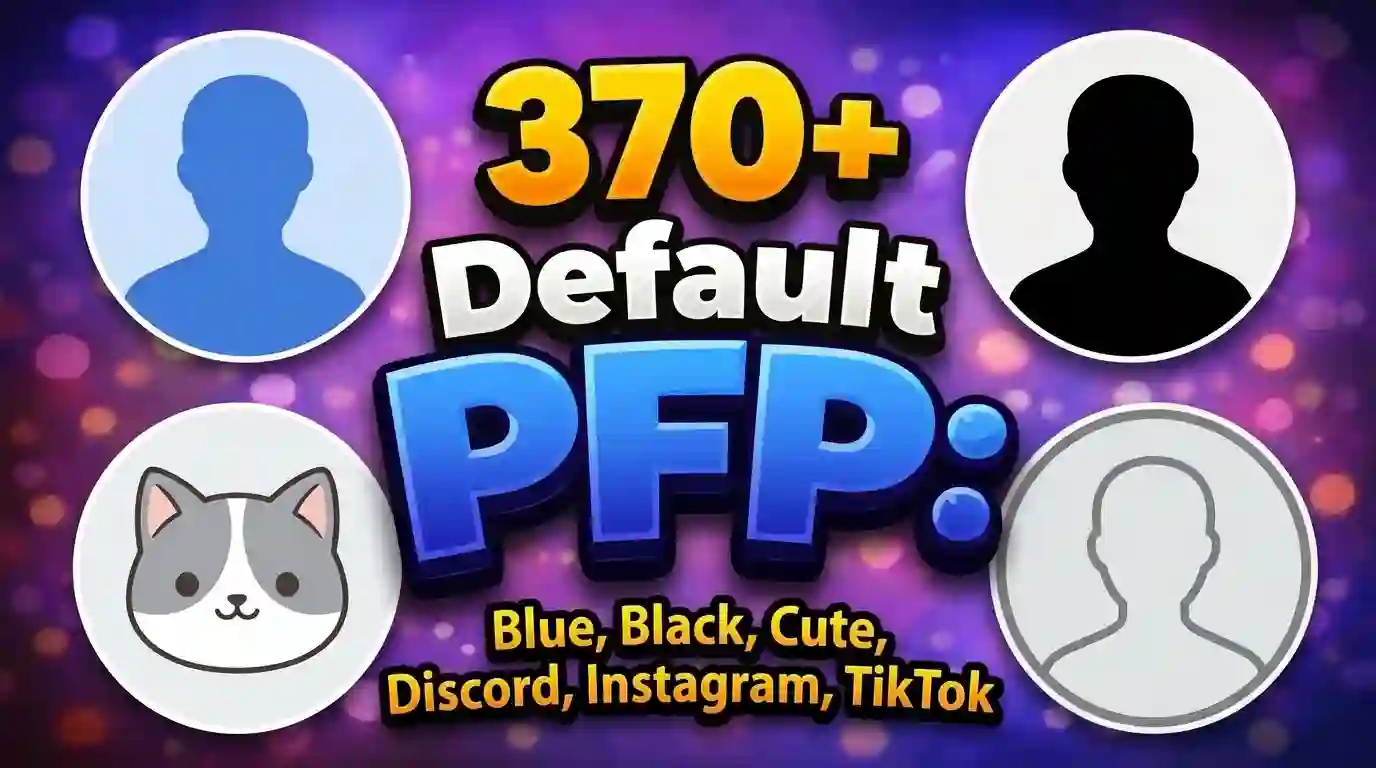
370+ Default PFP: Blue, Black, Cute, Discord, Instagram, TikTok
Silence has a visual language online. When a profile carries no custom image, that empty slot filled by whatever the platform assigns becomes its own kind of statement. A default PFP once signaled a brand-new account or an absent user, but that meaning has quietly shifted. Today, the default look carries cultural weight, ironic identity, and in many communities, a deliberate aesthetic choice that feels more expressive than any curated image could.
Across Discord, Instagram, TikTok, and gaming servers, avatars communicate personality before usernames are read or messages are sent. The visual shorthand of a profile icon travels faster than text in fast-moving chat threads, comment sections, and crowded server lists. What an image signals approachability, mystery, humor, status shapes how others engage before any interaction begins. The default style sits at the center of that dynamic in its own unexpected way.
Some users reach for default PFP imagery because it removes ego from the equation. Others use it to signal irony, brevity, or deliberate anti-aesthetic positioning. Still others find that platform-generated defaults colored blocks, gray silhouettes, geometric shapes carry a clean, minimal visual power that over-designed avatars often lack. Whatever the motivation, this style has moved from placeholder to identity marker in a remarkably short time.
Why a Well-Chosen Default PFP Shapes Your Online Presence
Identity signals travel fast in digital spaces, and the avatar is always the first to arrive. Color, shape, and visual tone establish emotional context before a username registers or a message gets read. A neutral, minimal profile image can communicate calm confidence or quiet detachment depending on the platform. Bolder color-block defaults project intentionality, the suggestion that the choice was deliberate, not accidental.
Consistency makes that signal stronger over time. A default PFP maintained across platforms, paired with a cohesive username or bio tone, creates recognizable digital presence without needing visual complexity. Communities begin to associate the minimal icon with the person behind it sometimes more memorably than a heavily designed avatar that competes with surrounding content. Intentional simplicity, when maintained consistently, becomes its own kind of visual signature.
Default PFP
In many online spaces, a profile image is the first visual signal people notice, and when no custom design is chosen, the platform automatically assigns a basic icon. This type of visual is widely known as a Default PFP, and it appears across apps like Discord, Instagram, TikTok, and gaming platforms.
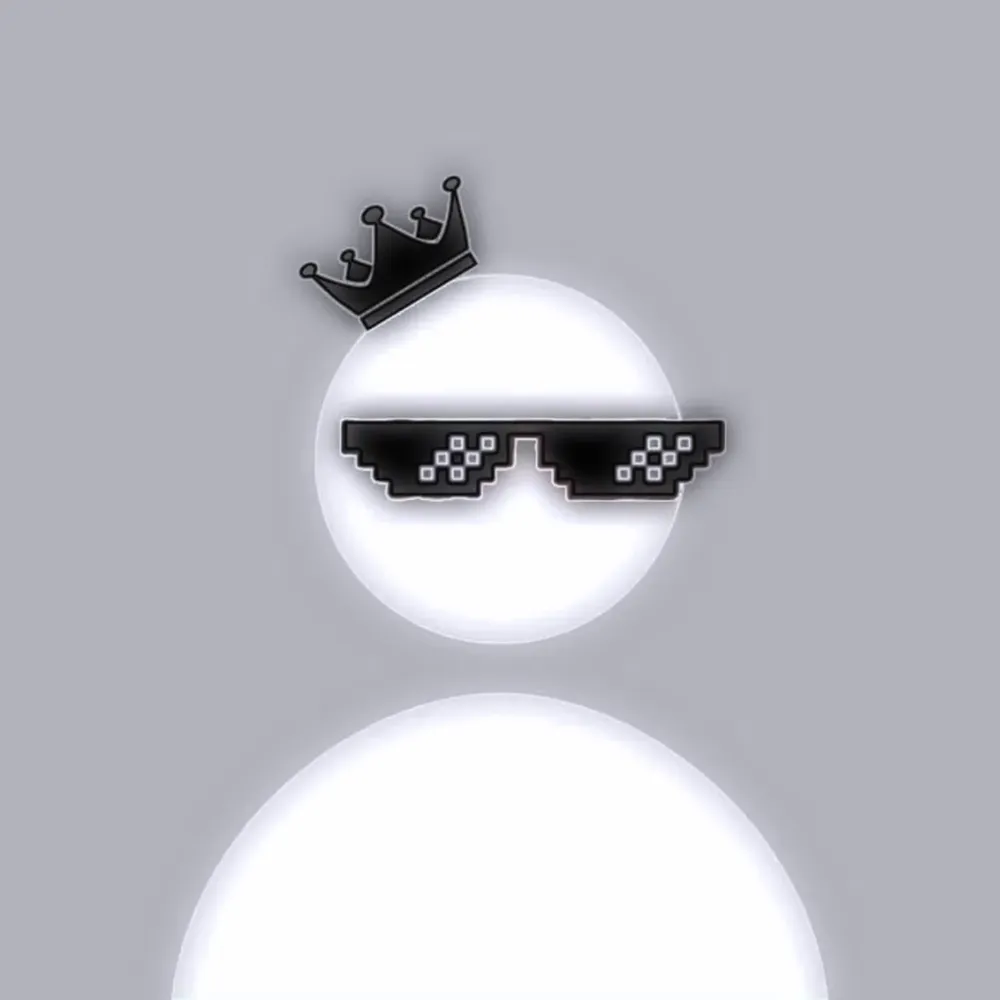
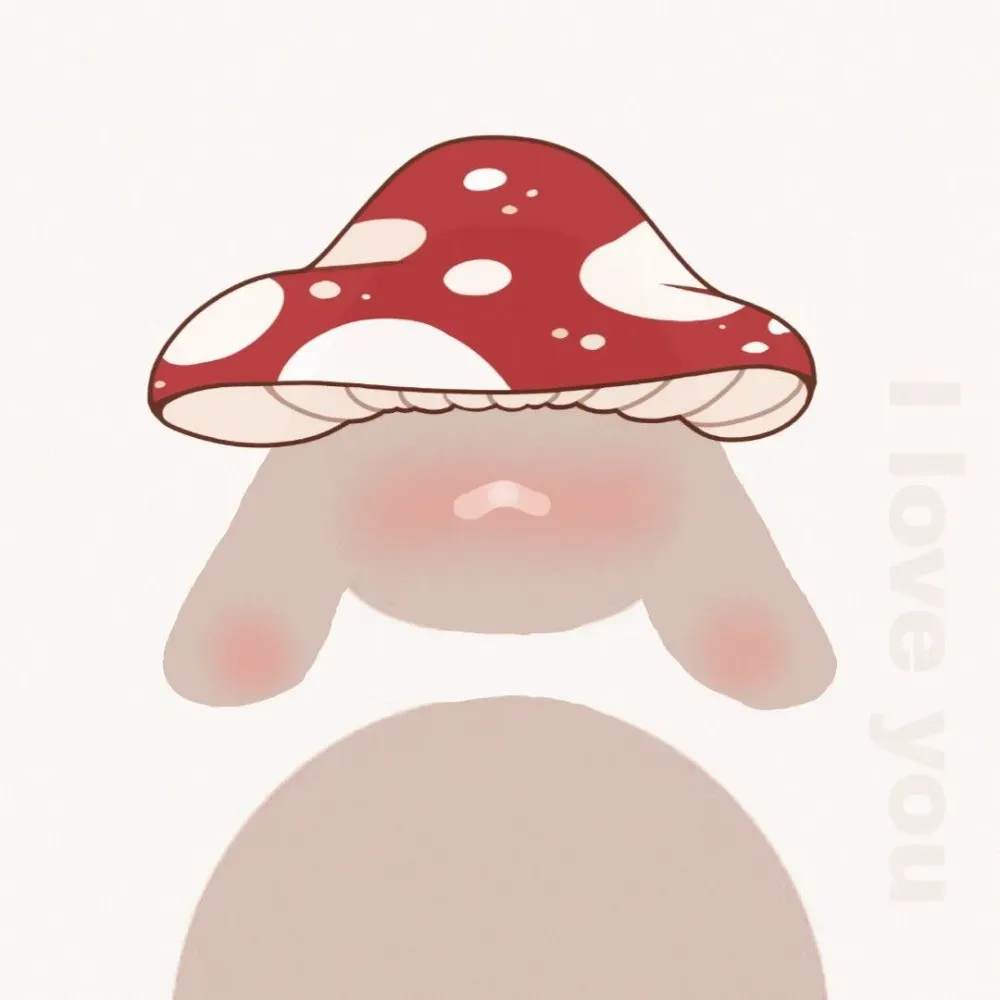

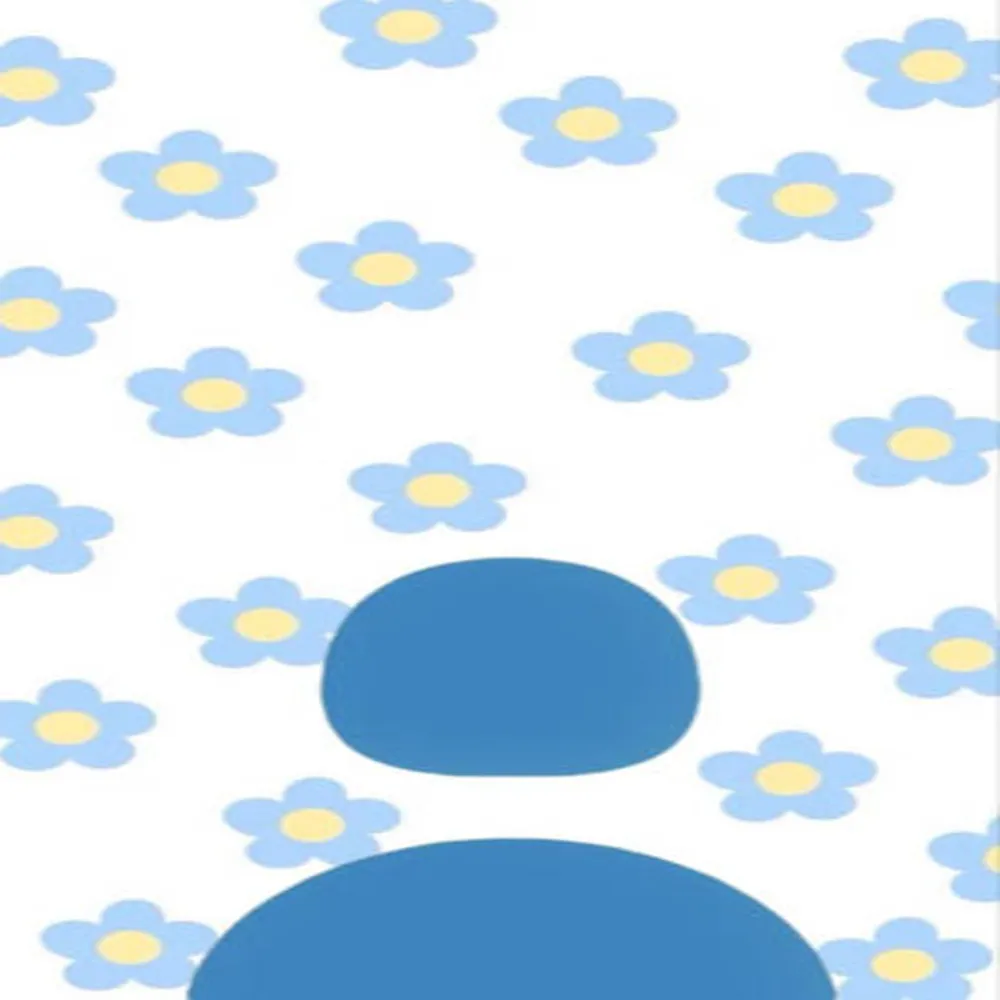
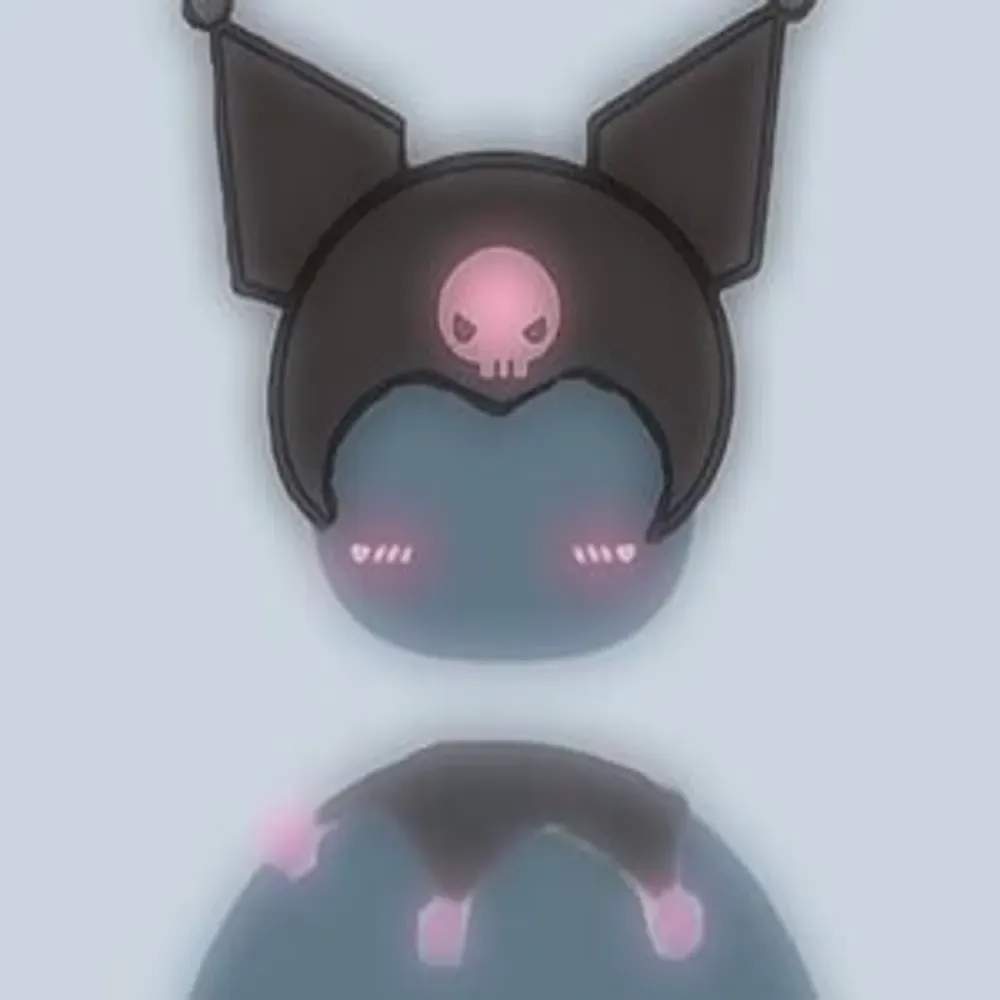

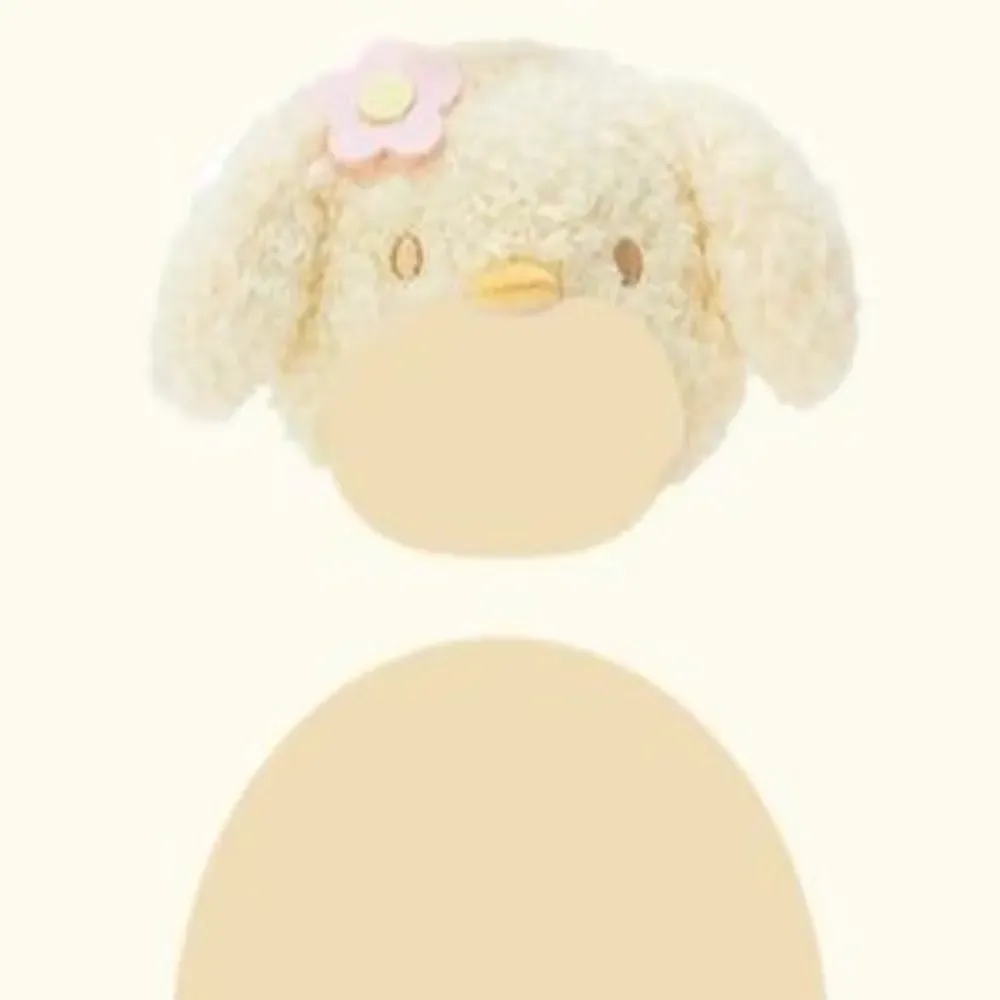
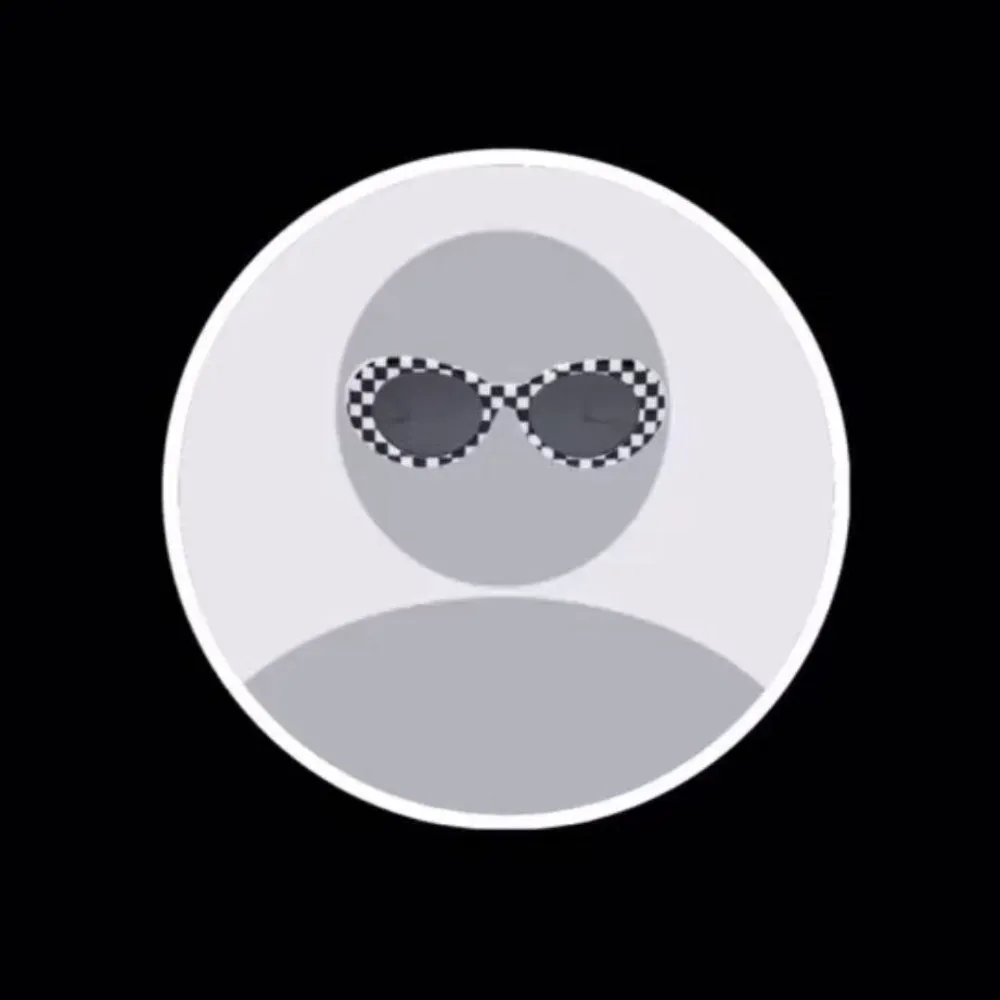
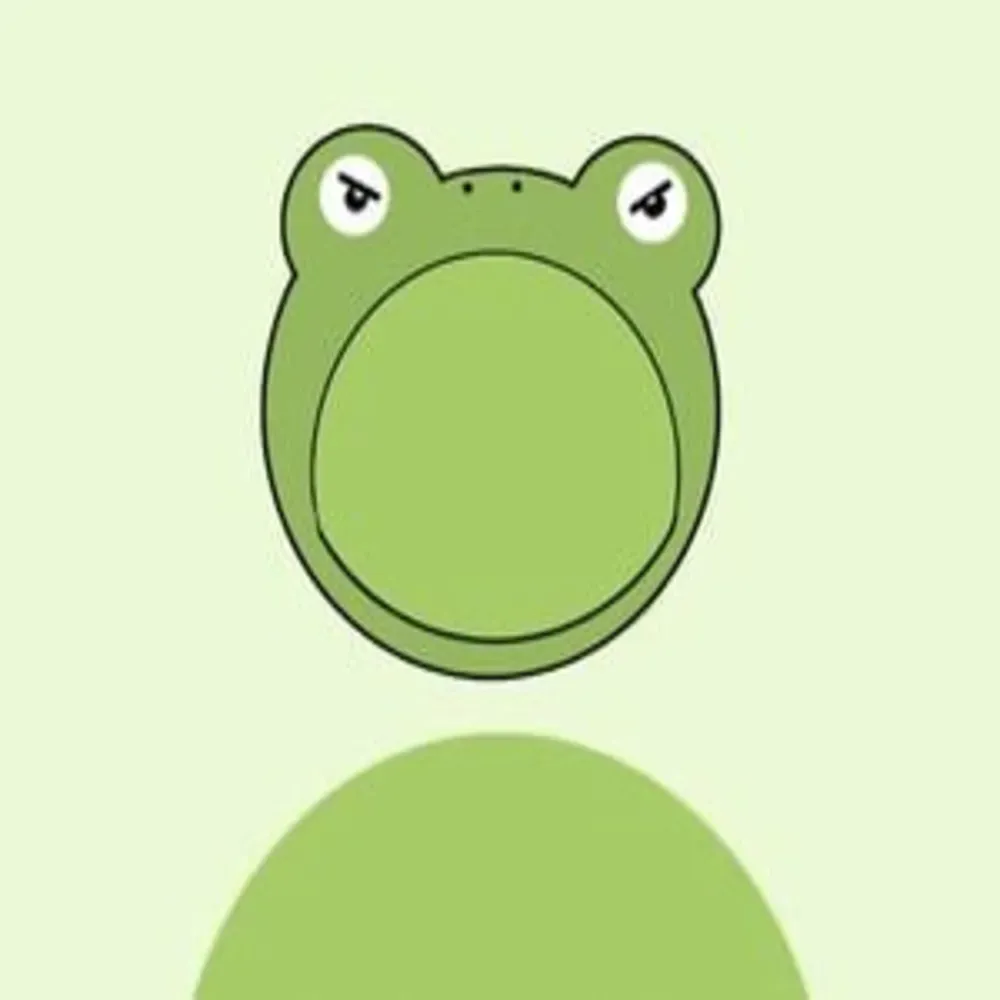
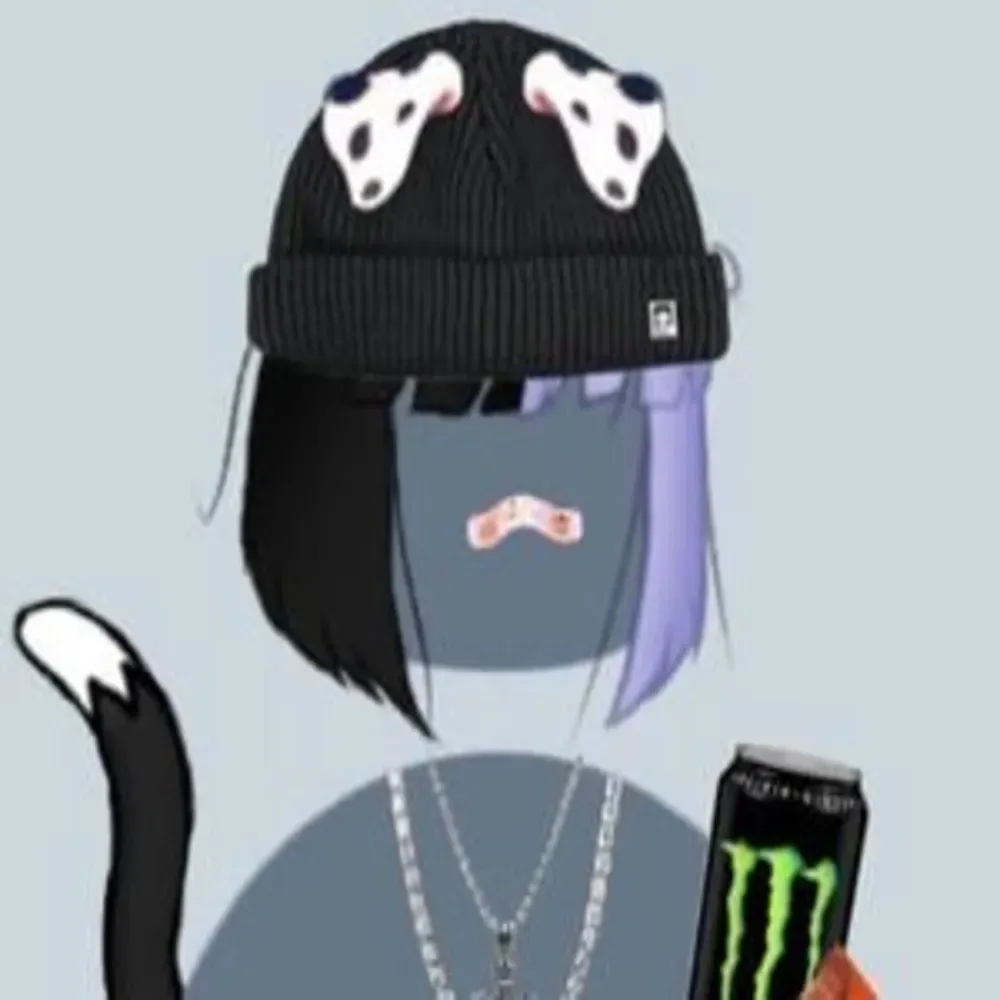












































Although it may seem simple or unstyled, it has gradually gained its own identity within internet culture. Some users keep it for anonymity, others use it for minimal or ironic expression, and in certain communities it even becomes part of an aesthetic choice. Its neutral design often a silhouette or plain color block ensures clarity at any size and works well across different interface themes. Over time, this simple placeholder has moved beyond being just a temporary avatar and now represents a recognizable style in digital communication spaces where visuals matter as much as text.
Default Blue PFP
Blue carries specific emotional associations that no other color in this category replicates. It reads as calm, neutral, and institutional which explains why so many platforms defaulted to blue silhouettes and color blocks as their assigned imagery in the first place. Default blue PFP visuals borrow that visual language intentionally: clean geometric shapes, flat color fills, and zero decorative detail create an icon that feels more like a design choice than an absence of one. The restraint is the point.














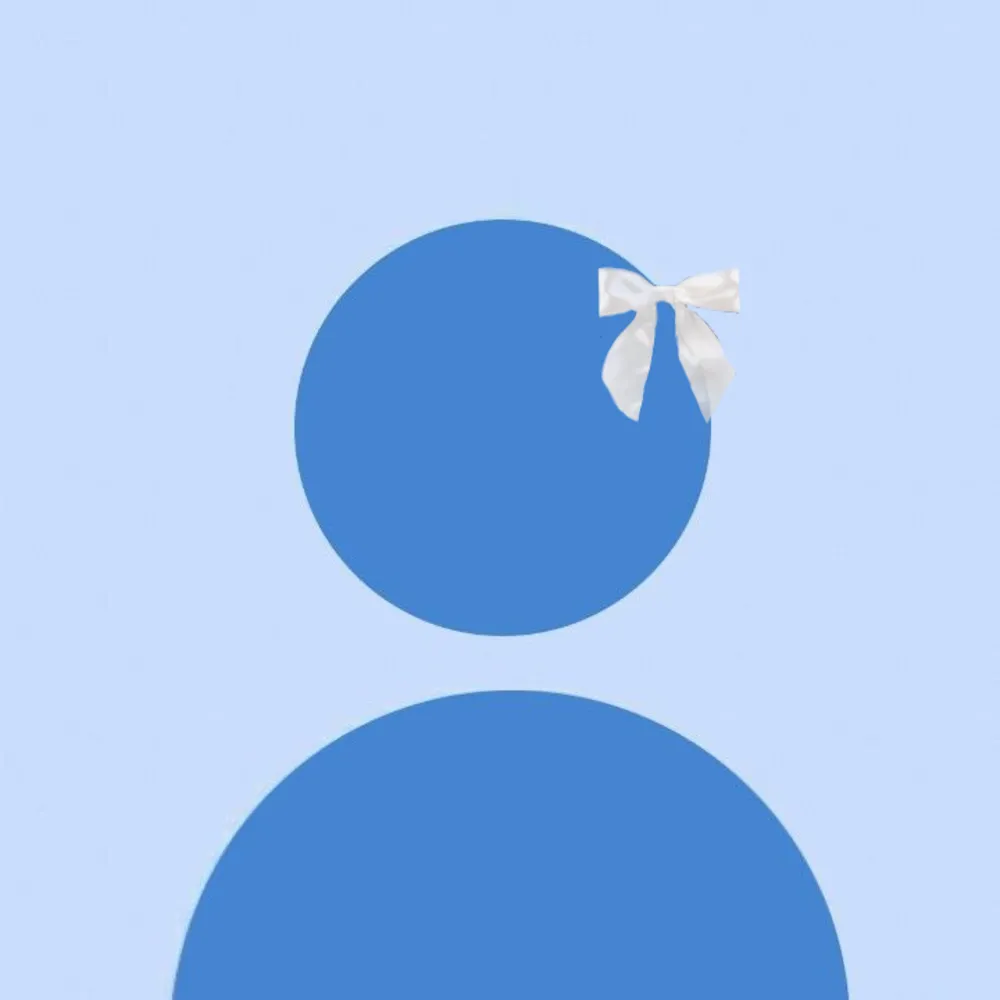

Flat blue fills remove all visual noise. Hard-edged shapes create strong icon contrast. No gradients or textures interrupt the composition. Silhouette forms stay consistent at any display size. Neutral tone avoids triggering emotional reads. Geometric simplicity scales cleanly across interfaces.
Twitter’s original blue silhouette made this visual shorthand globally recognizable, and that recognition travels into user choices today. Discord users and Twitter-native communities often adopt this look for its understated ironic energy it signals awareness of platform culture rather than ignorance of it. On TikTok and Instagram, a blue default icon in comment sections often stops the scroll because it sits so far outside the usual aesthetic noise.
Instagram Default PFP
Gray silhouettes have a specific meaning on Instagram that users who have spent time on the platform recognize instantly. The platform’s assigned default, a rounded gray person shape inside a circle became one of the most widely seen images in the history of social media. Instagram default PFP aesthetics play directly with that recognition, using the visual shorthand of the “ghost account” to project irony, mystery, or deliberate minimalism. The decision to keep or replicate that look reads differently depending on the account’s context and following.


Gray fills create maximum visual neutrality. Rounded silhouette shapes feel soft rather than aggressive. No color signal influences emotional tone. Circular framing matches the platform’s native avatar crop. Simplicity ensures platform-consistency across device types. The absence of feature detail makes expression entirely contextual.
New accounts, throwback users, and ironically minimal profiles on Instagram most commonly carry this style. In comment sections, the gray silhouette creates a distinctive presence precisely because it refuses to compete visually. On aesthetic feeds, some creators use a default-style icon intentionally to separate their personal identity from their content-facing brand, letting the work speak louder than the avatar.
TikTok Default PFP
TikTok’s visual environment moves faster than almost any other platform. Thumbnails, captions, and sounds compete for attention simultaneously, which changes what a default avatar communicates in that context. A TikTok default PFP the platform’s dark circular background with a simple silhouette figure reads as understated against the platform’s typically high-stimulation visual landscape. Accounts carrying this look either haven’t updated their settings or have chosen to let the content carry all the identity weight instead.


Dark background anchors the icon against feed contrast. Simple silhouette keeps visual identity readable at small sizes. No color accent draws attention away from posted content. Minimal shape matches TikTok’s interface color scheme naturally. The profile icon stays neutral in both light and dark viewing modes. The absence of customization becomes a visual statement in itself.
Creators who prioritize content visibility over personal branding often keep or replicate this look on TikTok. Gaming accounts, faceless creators, and niche community profiles use the default icon as a way to foreground what they make over who they are. In comment threads, this avatar style sometimes signals a newer account, but in certain communities it signals something closer to anonymity-as-aesthetic.
Default Discord PFP
Discord handles defaults differently than other platforms. Rather than assigning a single neutral silhouette, it generates a colored geometric block, a visual that varies by account and rotates through a small set of bold color combinations. That decision turned the default into something unexpectedly distinct. Default Discord PFP imagery carries the visual energy of those blocks: clean color fields, sharp geometric shapes, and zero representational content that sits more like abstract art than platform filler.





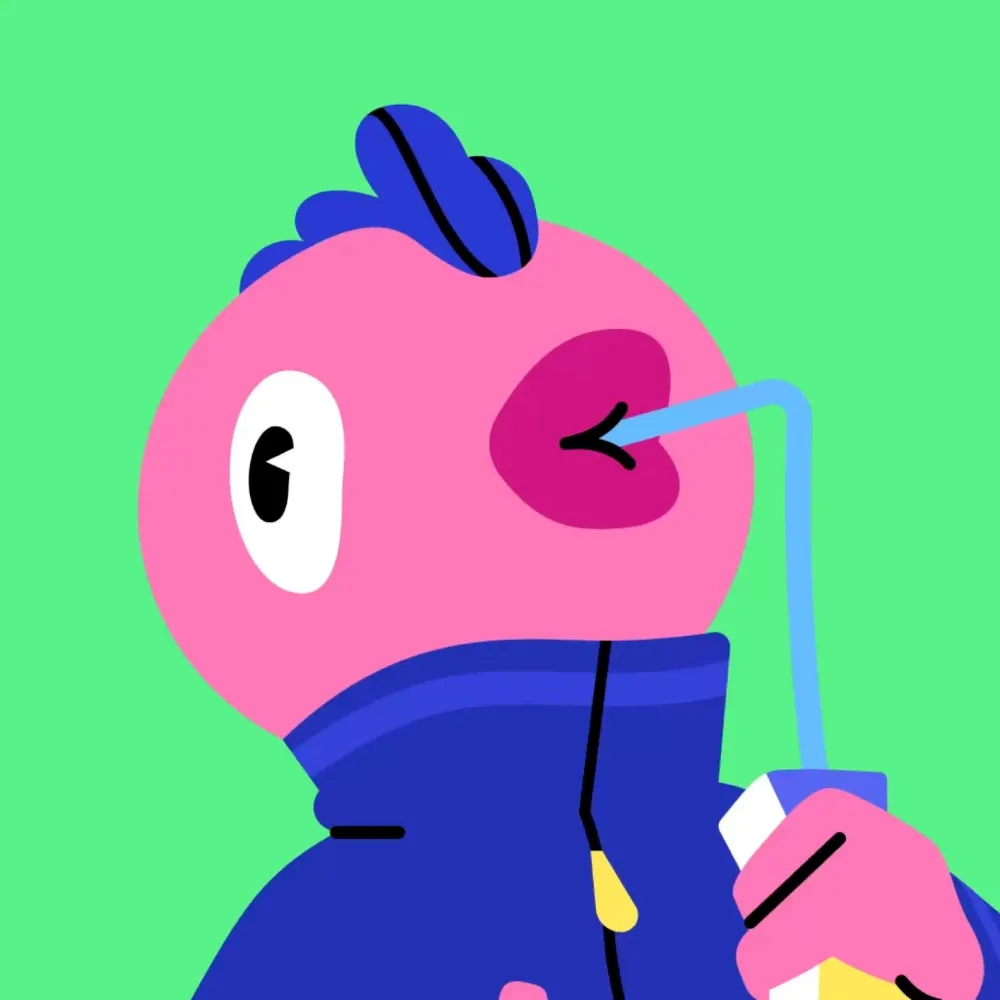










Solid color fields project bold visual simplicity. Geometric shapes avoid any character or identity suggestion. High-saturation tones stand out in dark-mode server lists. Flat composition requires no scaling adjustments. No detail is lost at any icon display size. Platform-native color logic makes the look feel intentional rather than abandoned.
Discord communities built around irony, minimalism, or low-effort humor frequently adopt or replicate the default block look as an identity marker of its own. In gaming servers and meme-heavy communities, keeping or mimicking a Discord default signals a specific kind of self-awareness the user knows what the icon looks like and has chosen it anyway. That subtle humor travels well in fast-moving chat environments.
Black Default PFP
Total visual absence communicates differently from absence by accident. An all-black profile icon or one so dark that only shape remains visible occupies space in a server list or comment thread in a way that light neutral defaults never quite manage. Black default PFP imagery relies on that contrast: a dark square or silhouette among typically colorful, detailed avatars creates a kind of negative space that draws attention precisely because it refuses to offer information. The look lands somewhere between mystery and minimalism.





















Pure black fill eliminates all visual competition. Zero color temperature avoids emotional tone signaling. Strong contrast against white or light interfaces creates natural visibility. No texture or gradient interrupts compositional silence. Shape remains the only remaining visual element. The icon reads as deliberate rather than empty at any size.
Alt-aesthetic communities on Twitter, Tumblr, and Discord gravitate toward this style for its detached, low-effort visual energy that still manages to feel intentional. On Instagram, an all-black avatar creates unusual comment-section presence without requiring any design effort. Gaming and anonymous accounts also favor this look when the goal is presence without identity active without being visible.
Cute Default PFP
Not every take on the default aesthetic leans into neutrality or irony. Some users reclaim the concept entirely keeping the minimal, undetailed spirit of a platform default while replacing its gray or black tones with soft color, gentle expression, and character warmth. Cute default PFP imagery occupies that space: simplified face shapes, pastel palette, and minimal detail that echoes the structure of a system-assigned avatar but pushes it into emotionally warm territory. The result feels approachable, unhurried, and quietly charming.




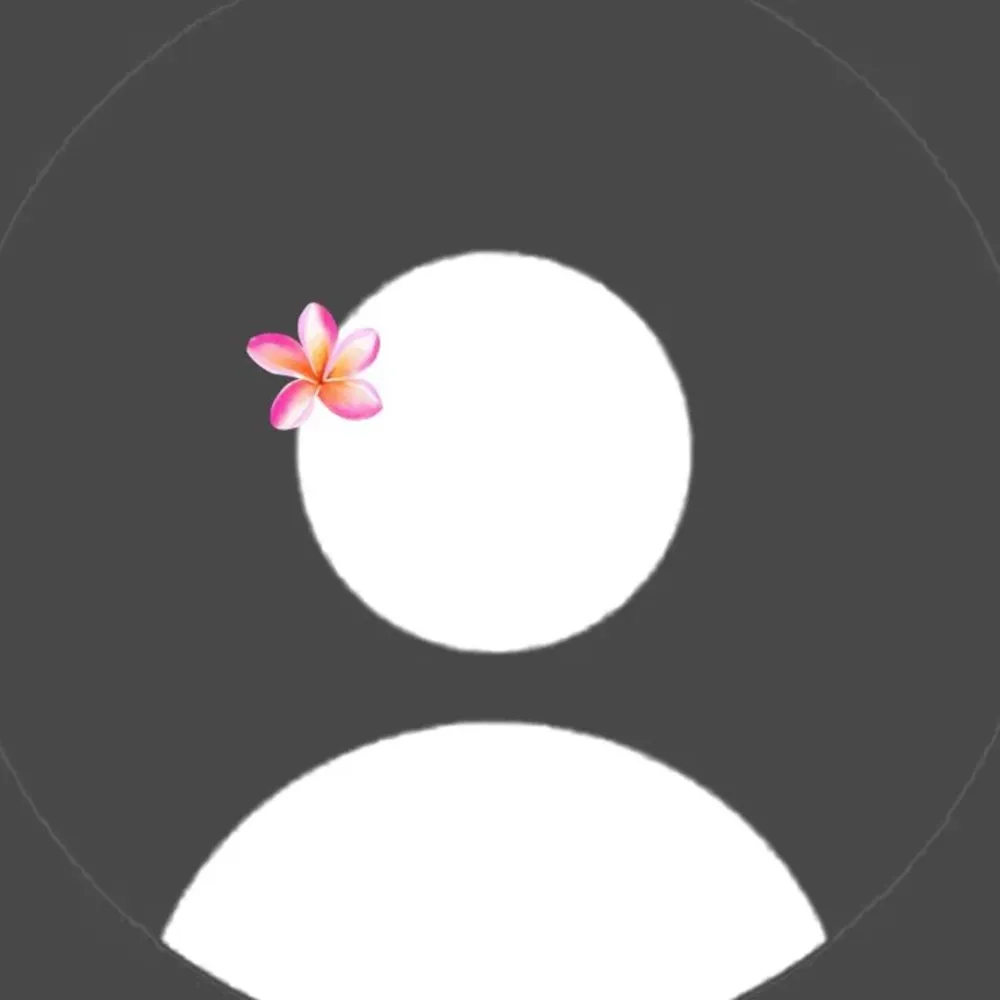
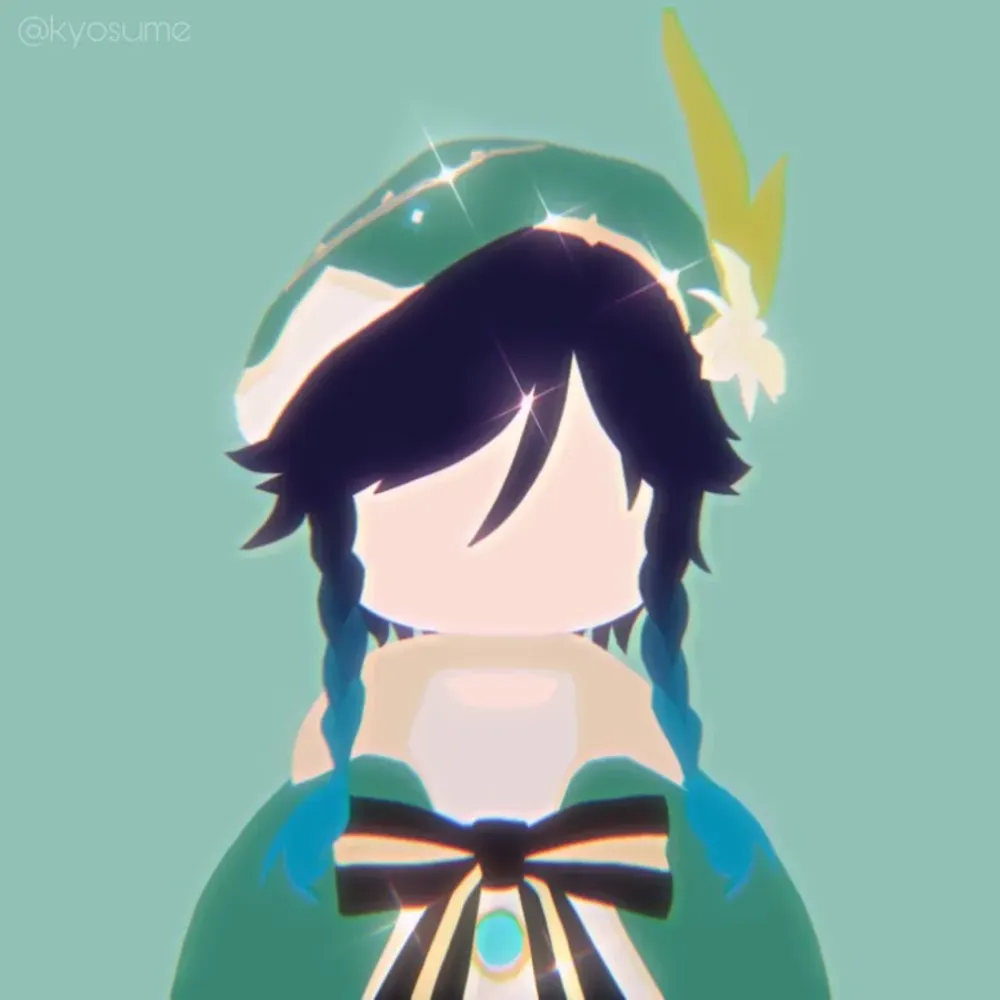
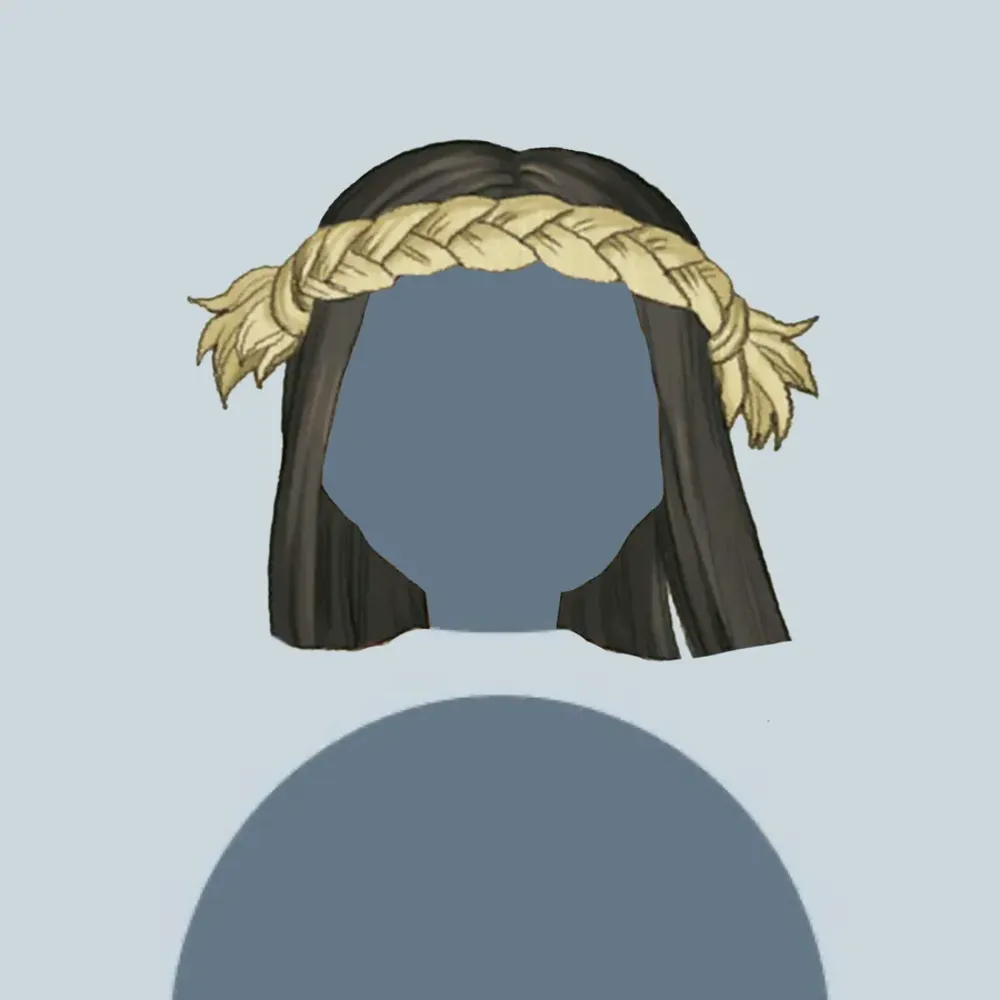

Pastel fills replace neutral grays with emotional warmth. Simplified face shapes echo system-avatar geometry. Minimal detail keeps the icon clean at small display sizes. Soft color palettes avoid visual aggression entirely. Round compositional forms signal friendliness and approachability. Gentle expression carries emotional cues without complexity.
Discord friend groups, casual Instagram users, and low-key TikTok accounts most commonly adopt this style for its friendly, understated energy. It sits comfortably between “hasn’t set a PFP yet” and “spent hours designing an avatar” and that middle ground carries a specific charm that over-designed icons often lose. On Pinterest, cute minimal avatars appear in aesthetic collections alongside stationery, journaling, and soft lifestyle content.
Default PFP Aesthetic
Aesthetic direction and default-style imagery seem like opposing forces, but the overlap between them has become one of the more interesting visual trends in avatar culture. Deliberate restraint the choice to use a plain, unadorned profile icon reads differently when placed against a curated feed or thoughtful username. Default PFP aesthetic imagery captures that intentional minimalism: visuals that borrow the emptiness of a system default but reframe it with lo-fi grain, soft tone, or gentle color shift that signals design awareness rather than absence of it.


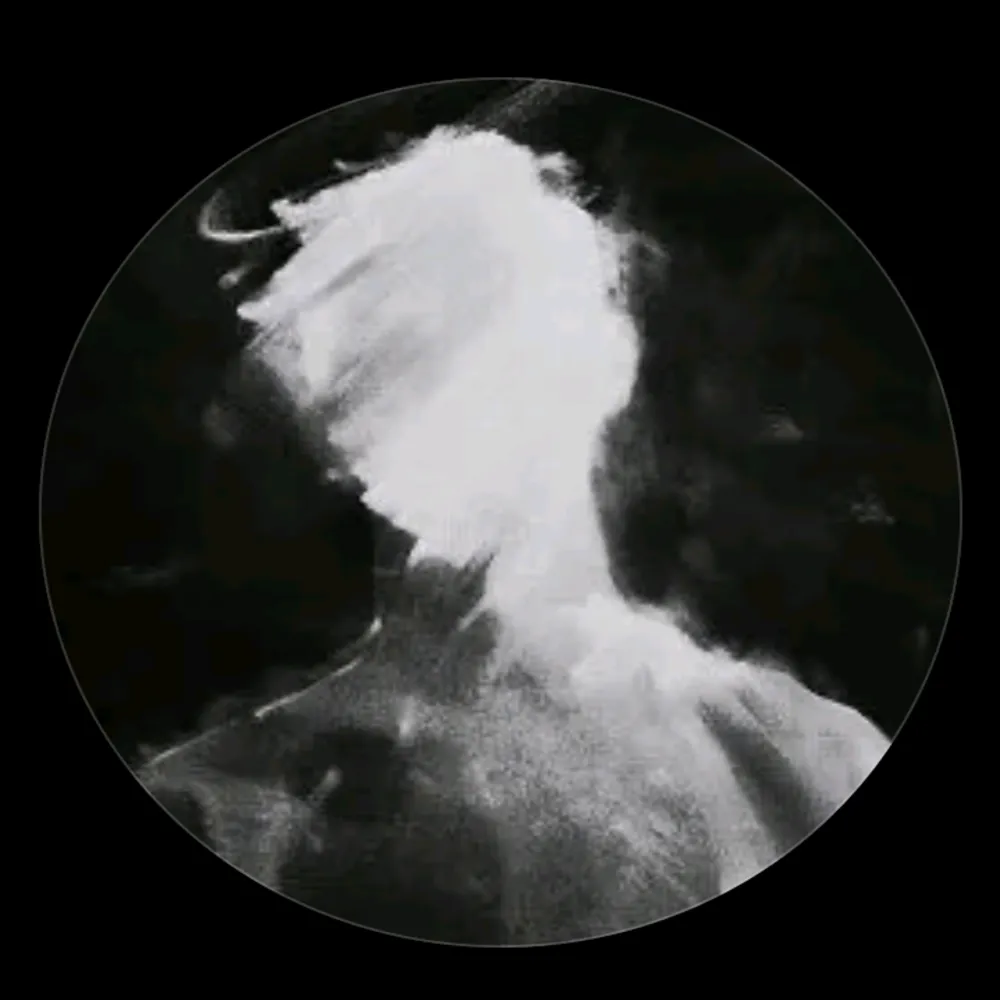
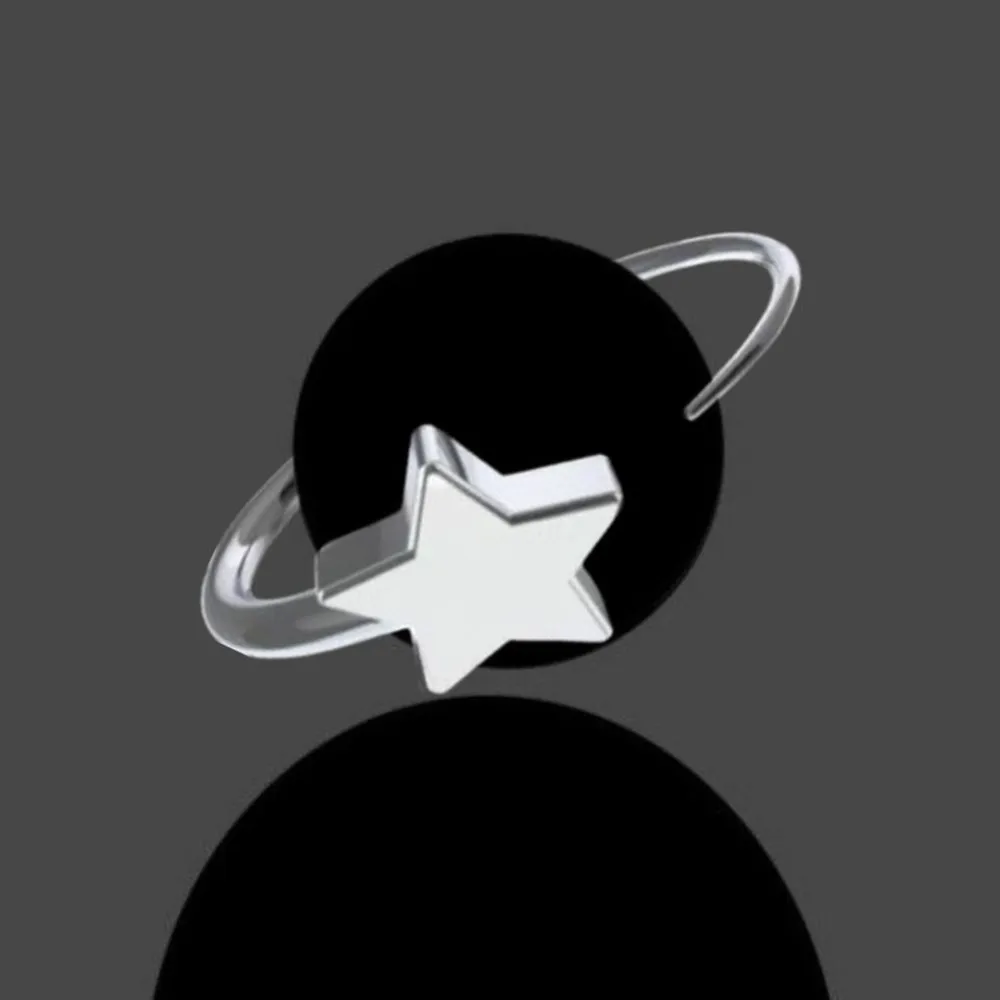
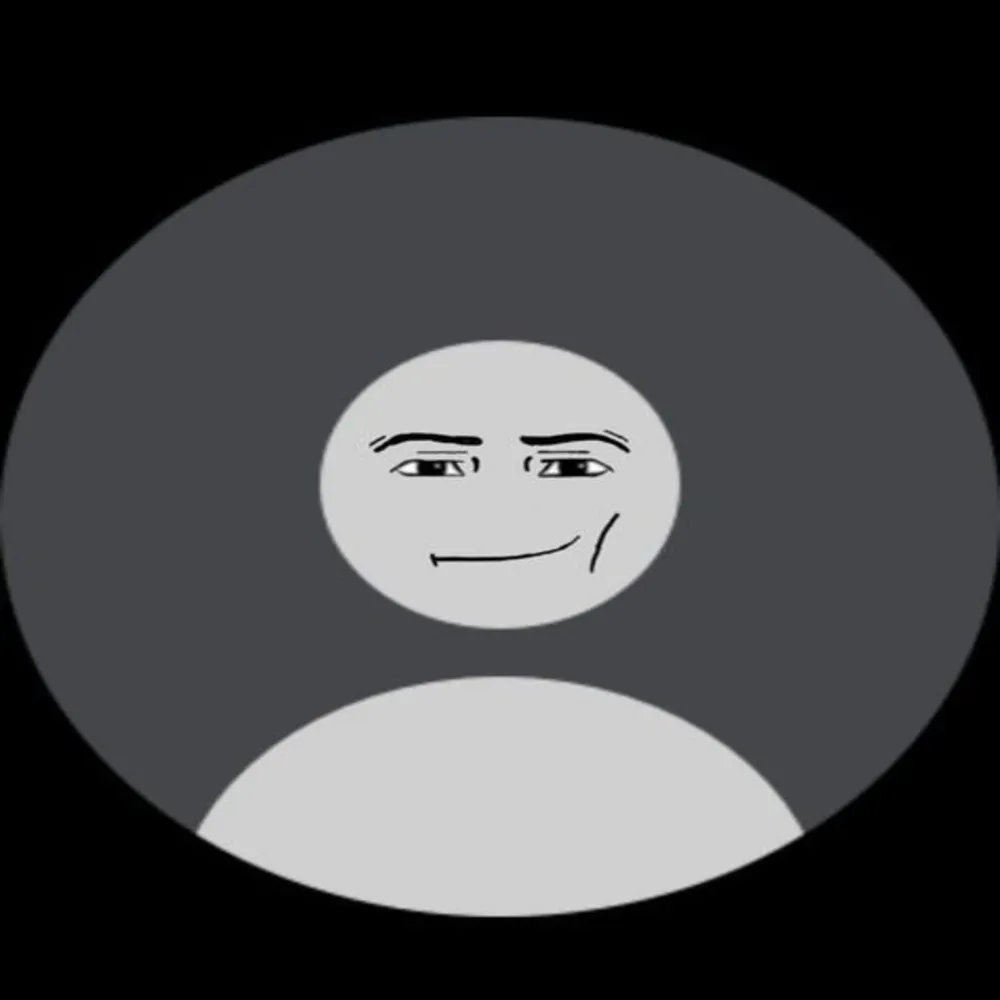
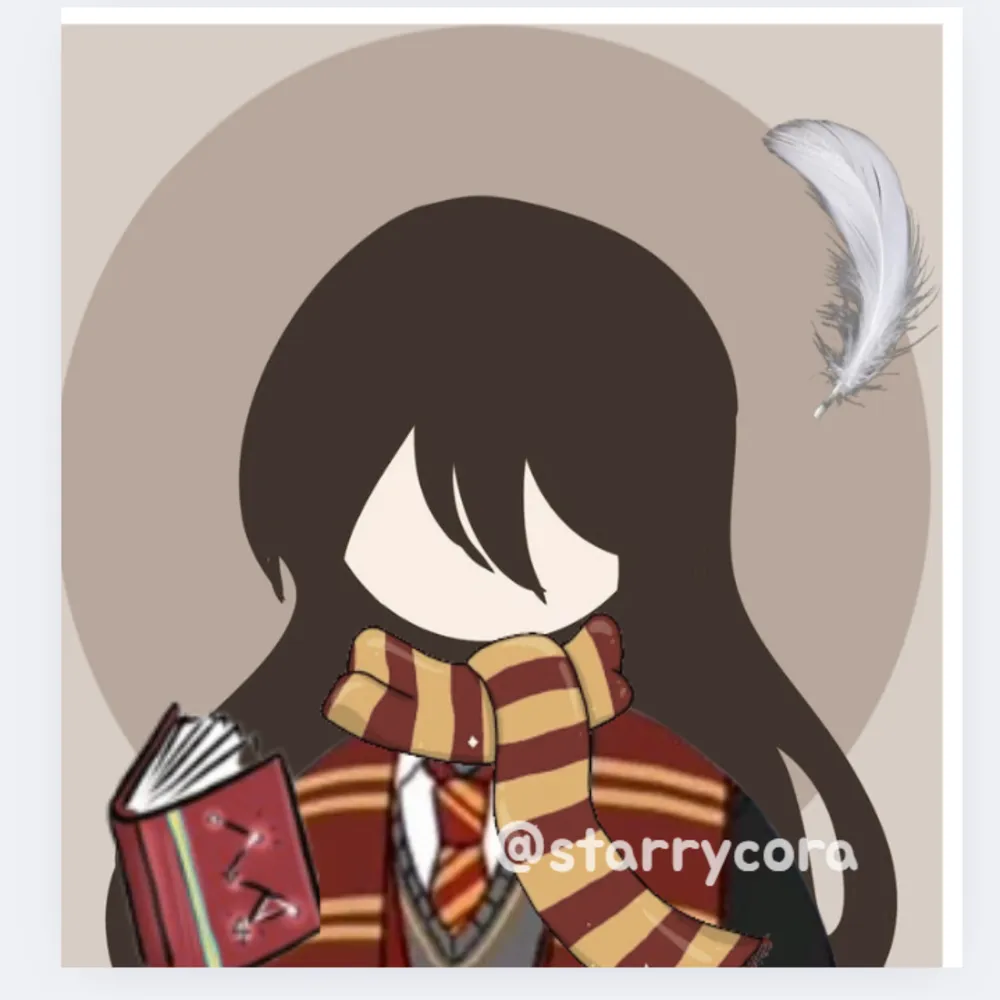
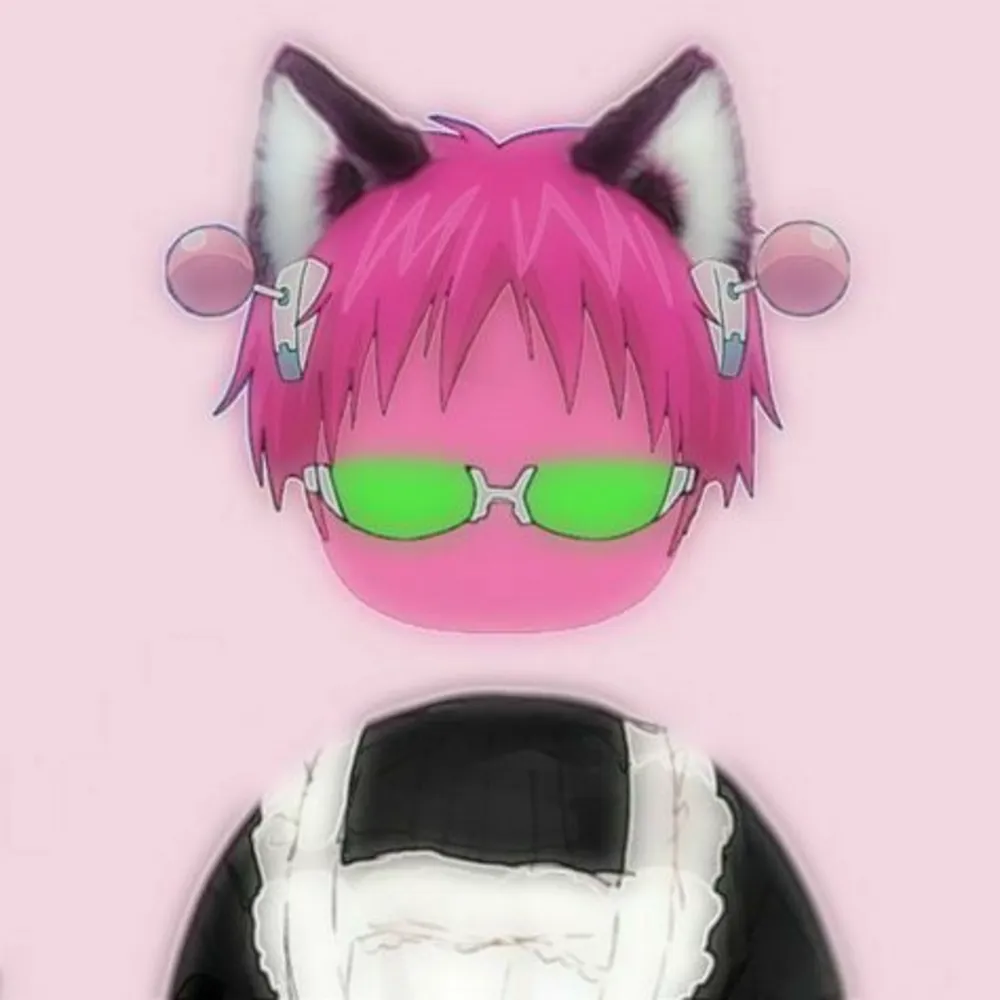
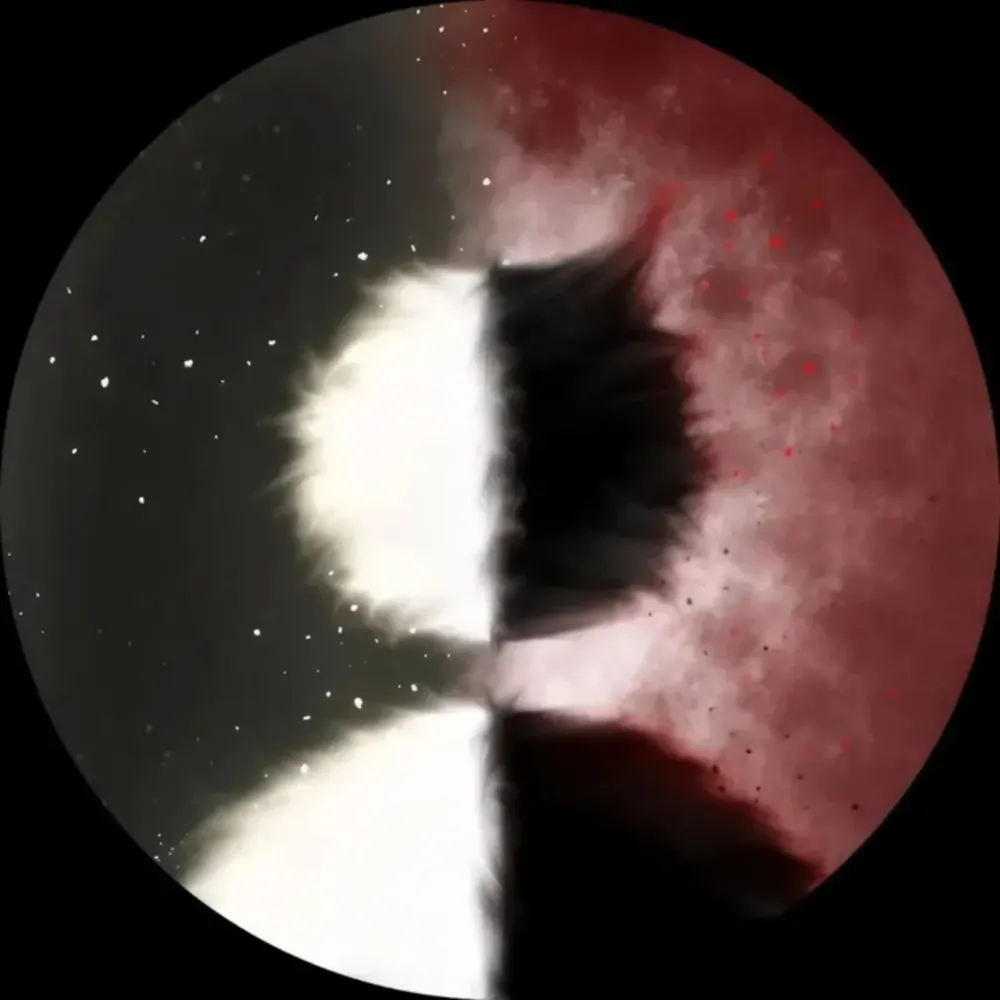
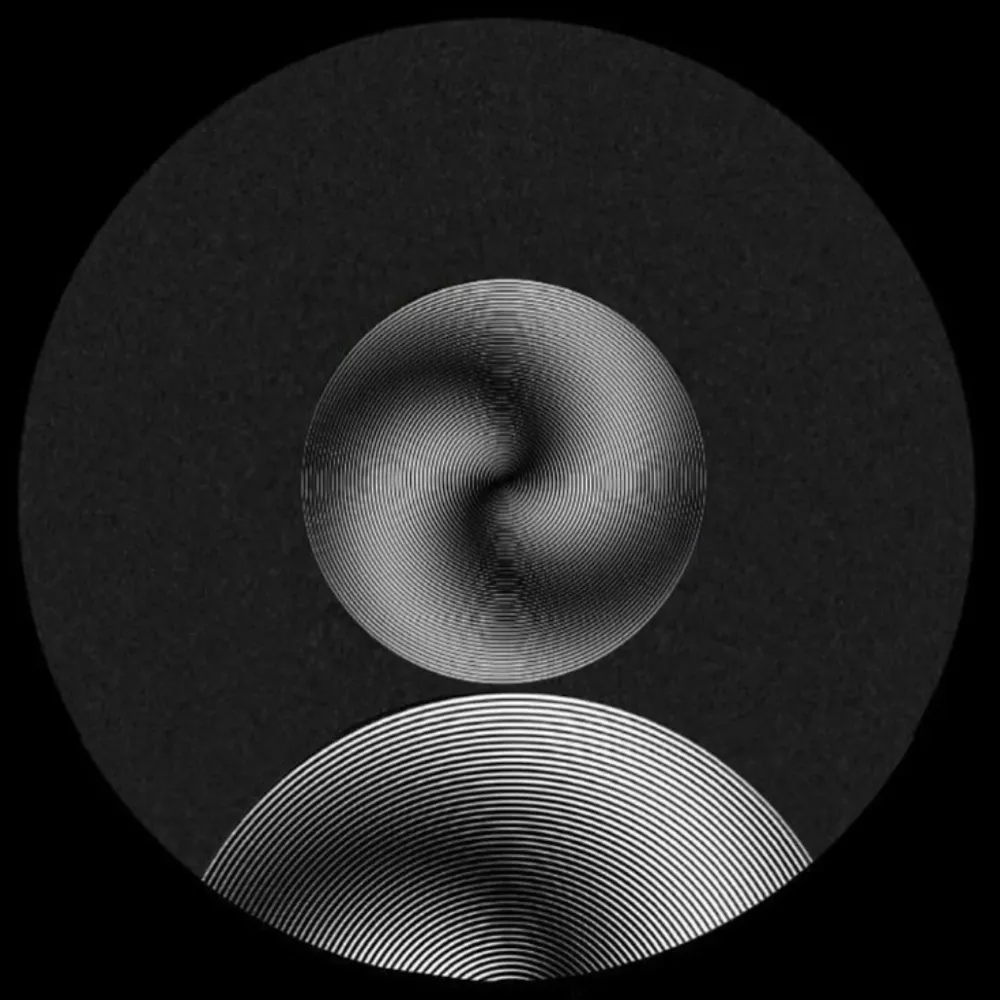
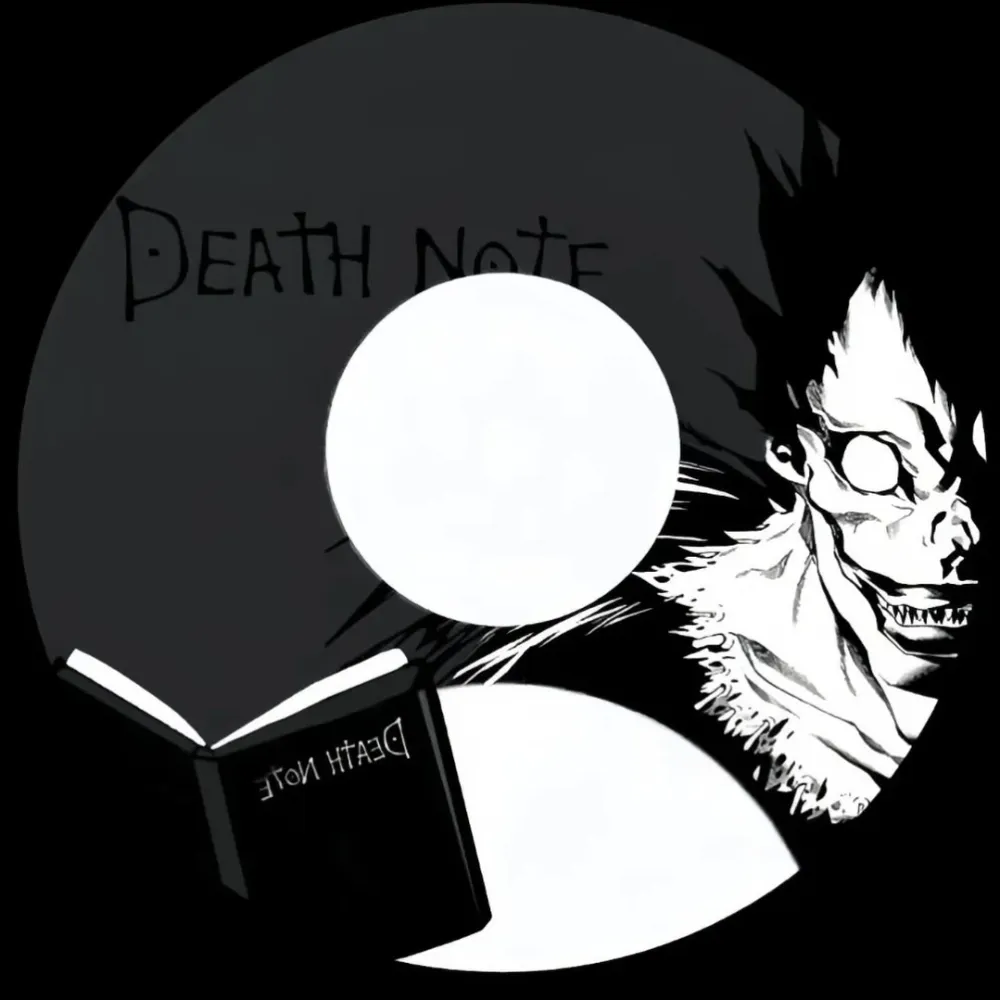
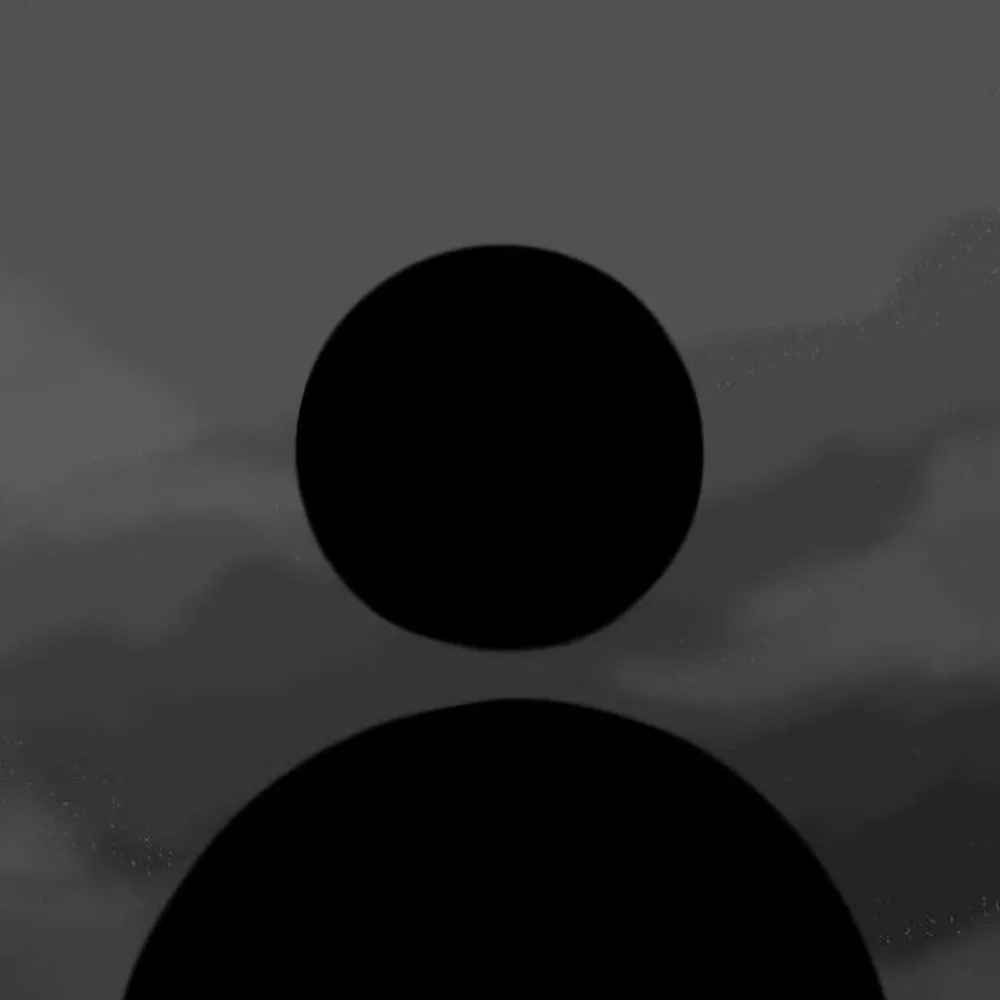
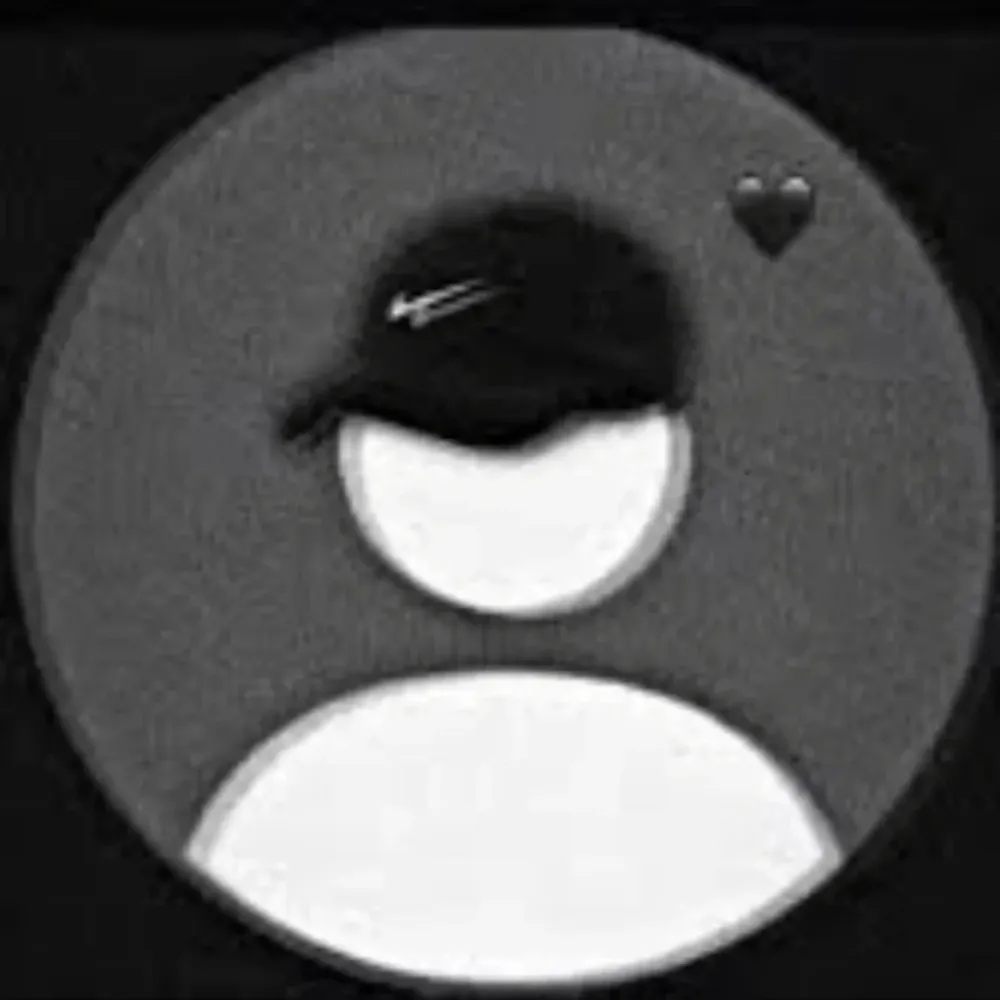

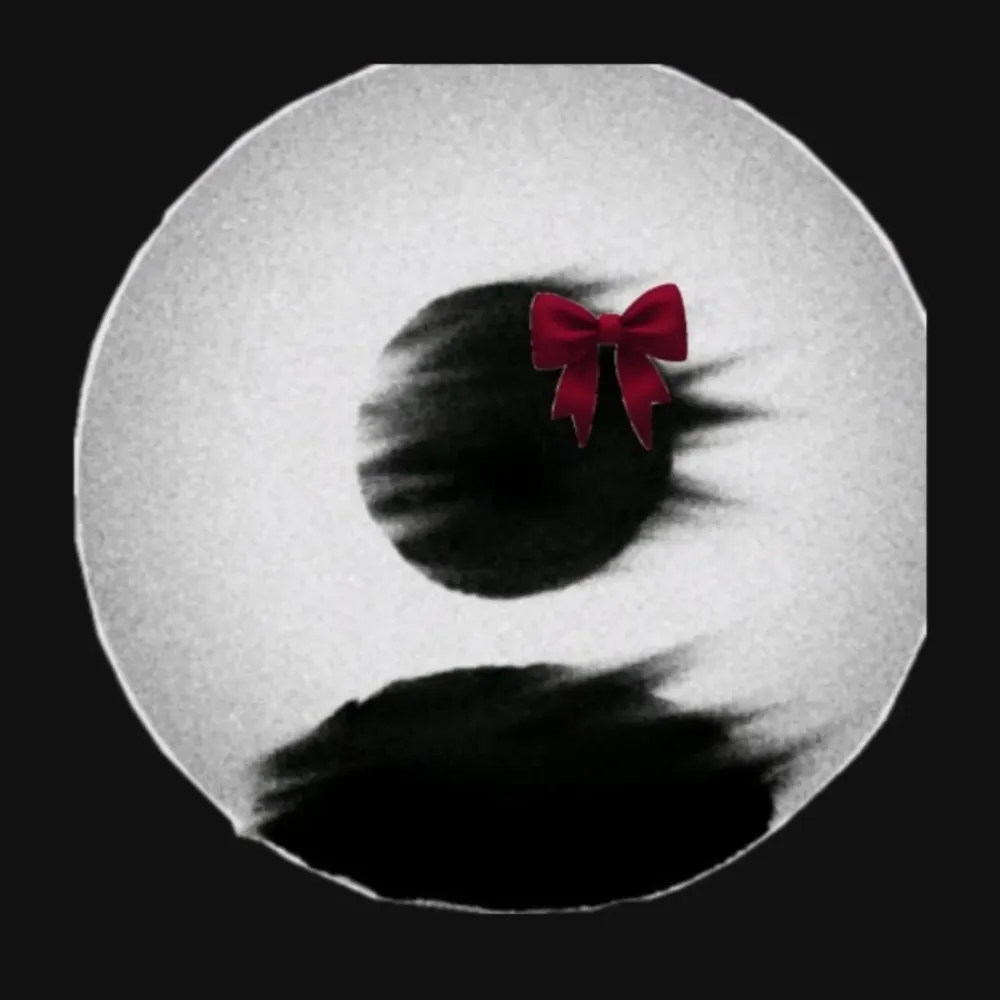
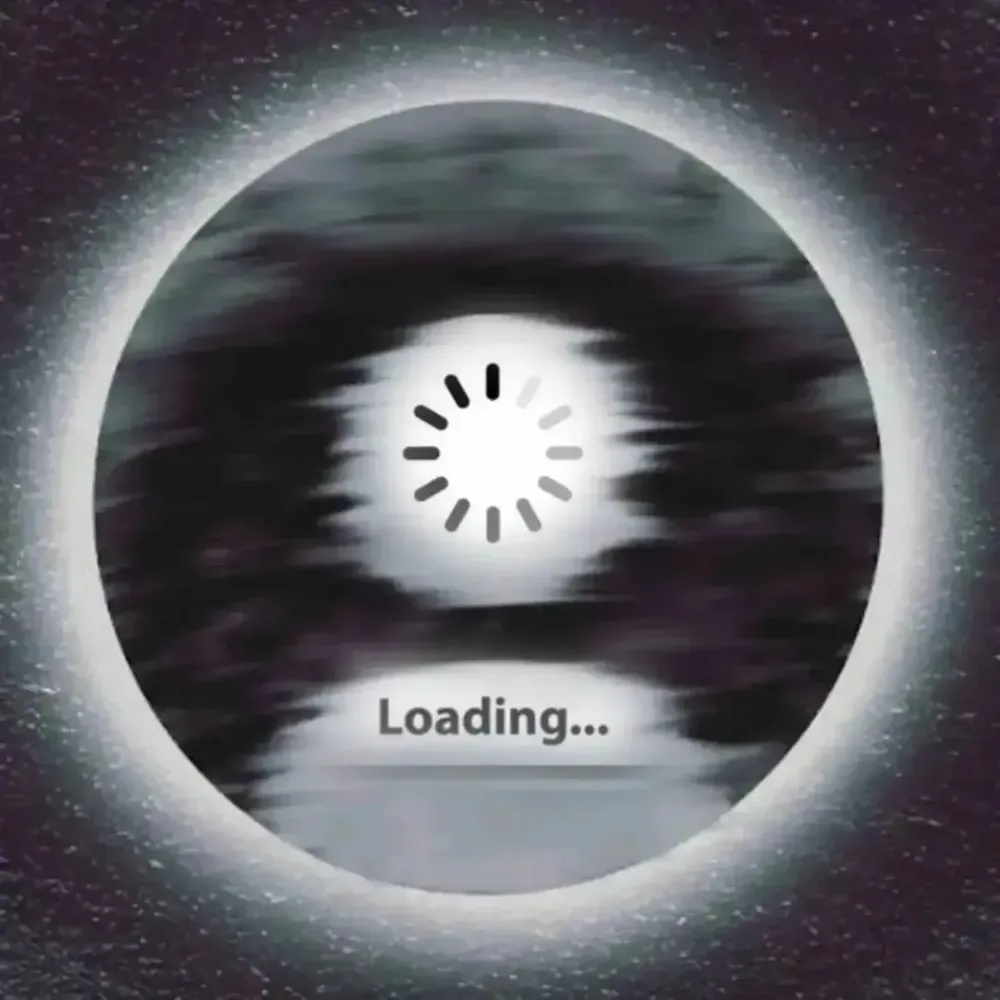
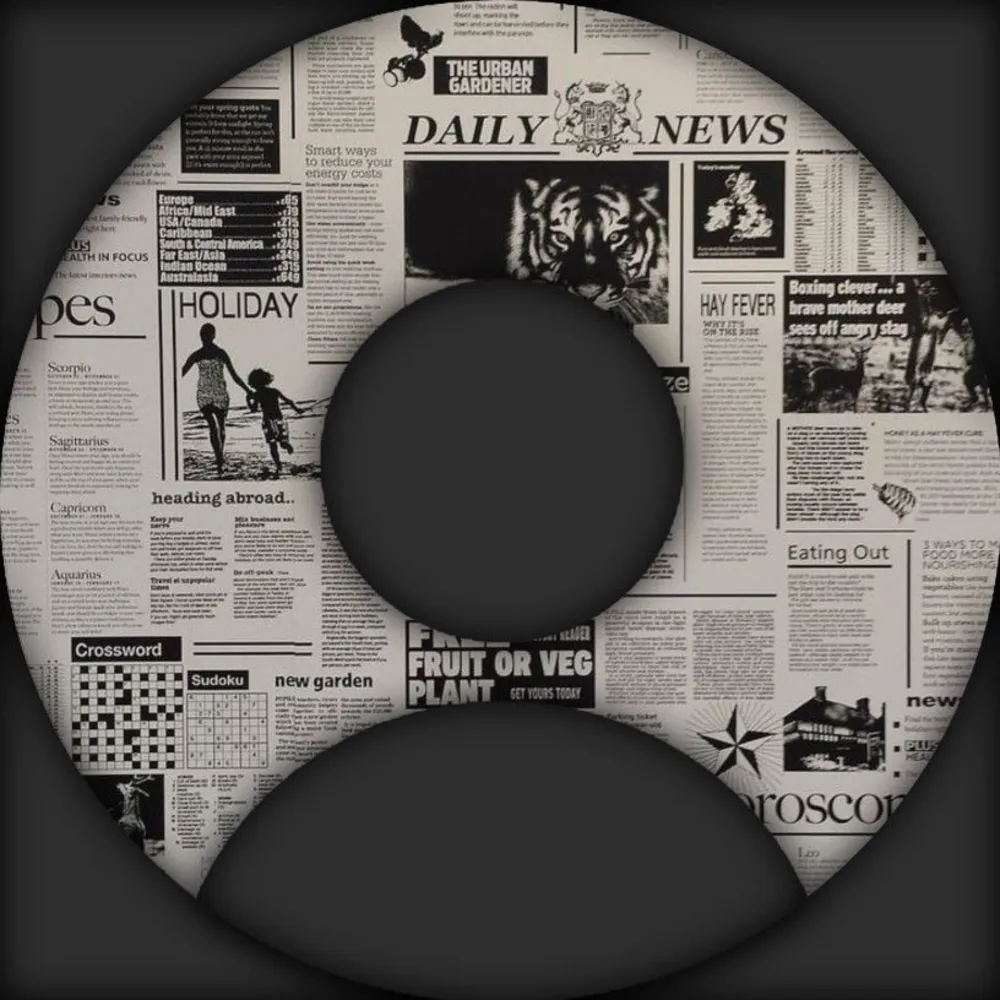
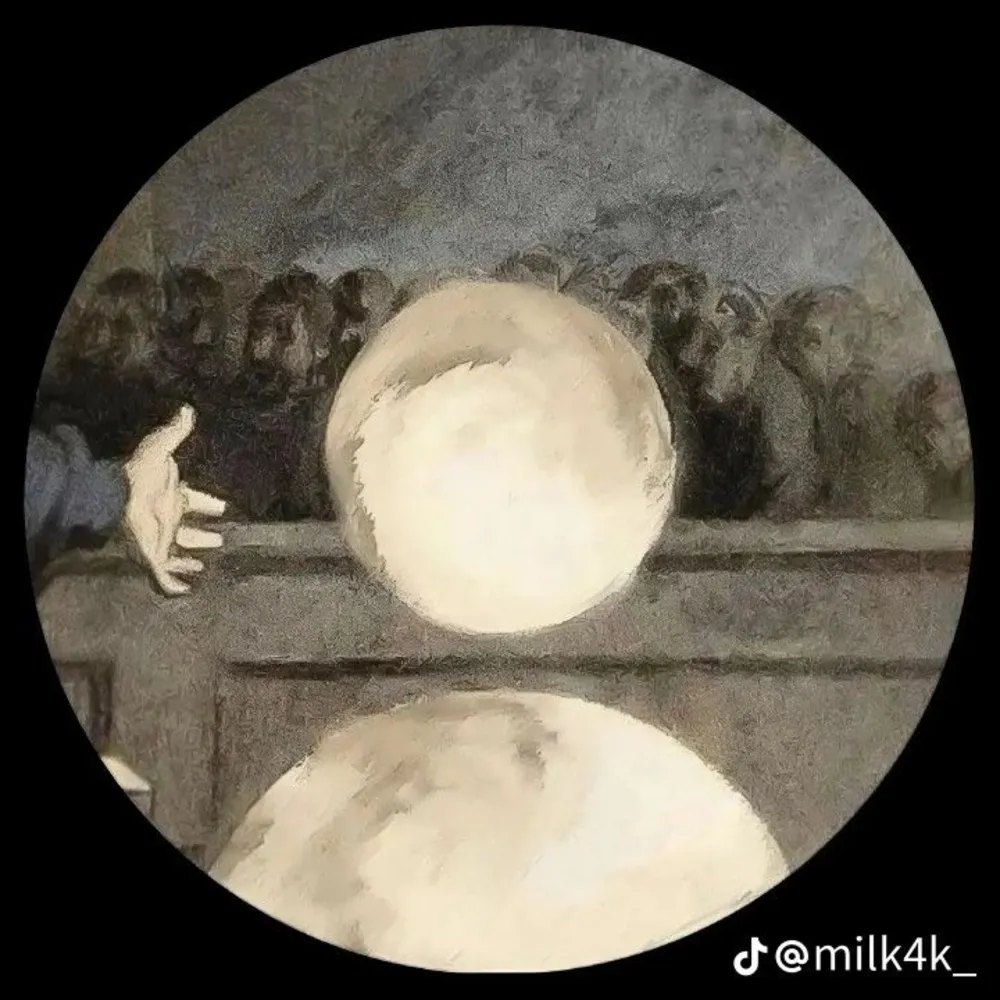
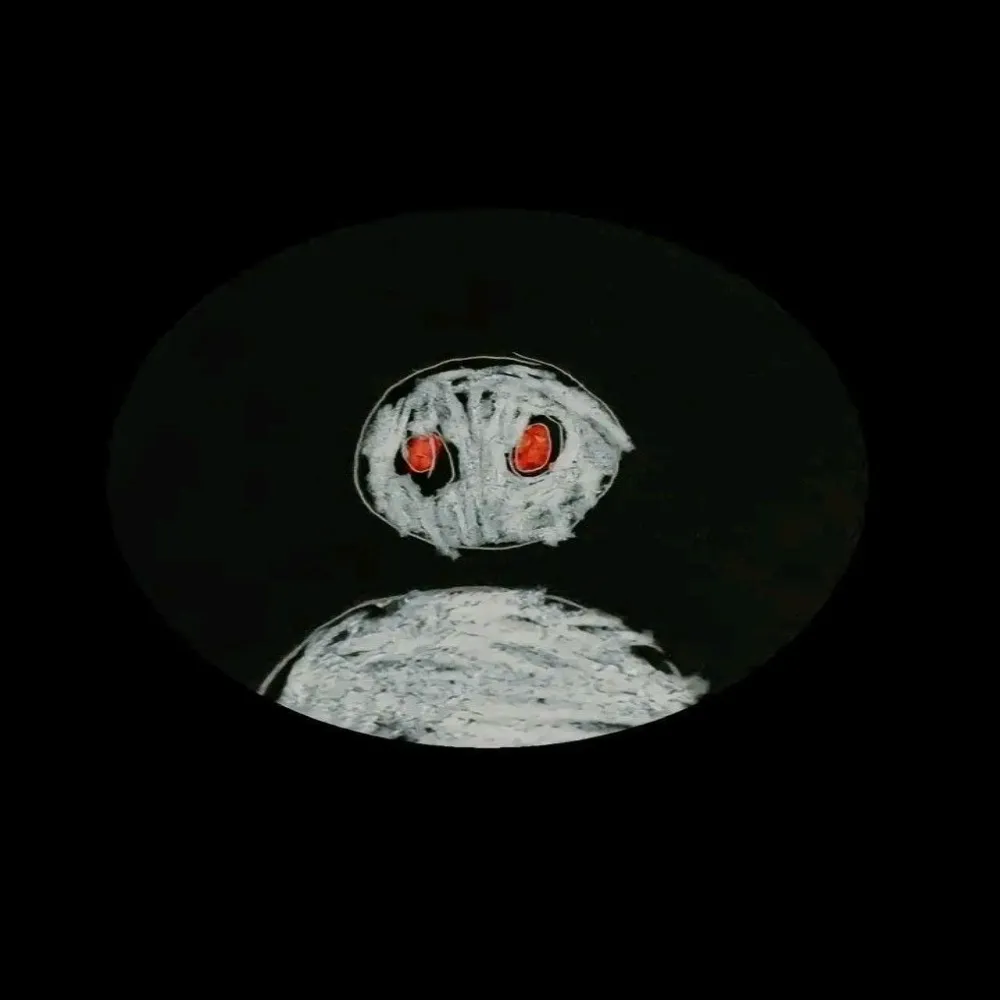

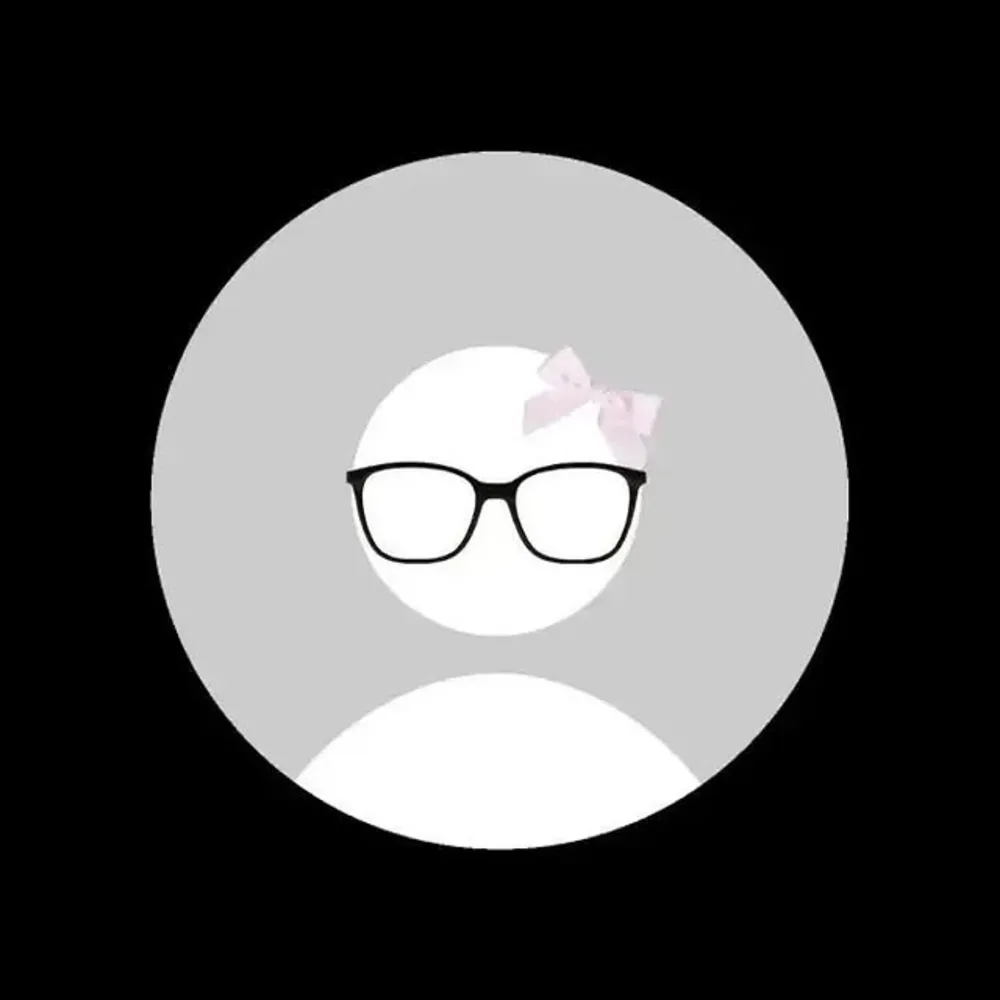

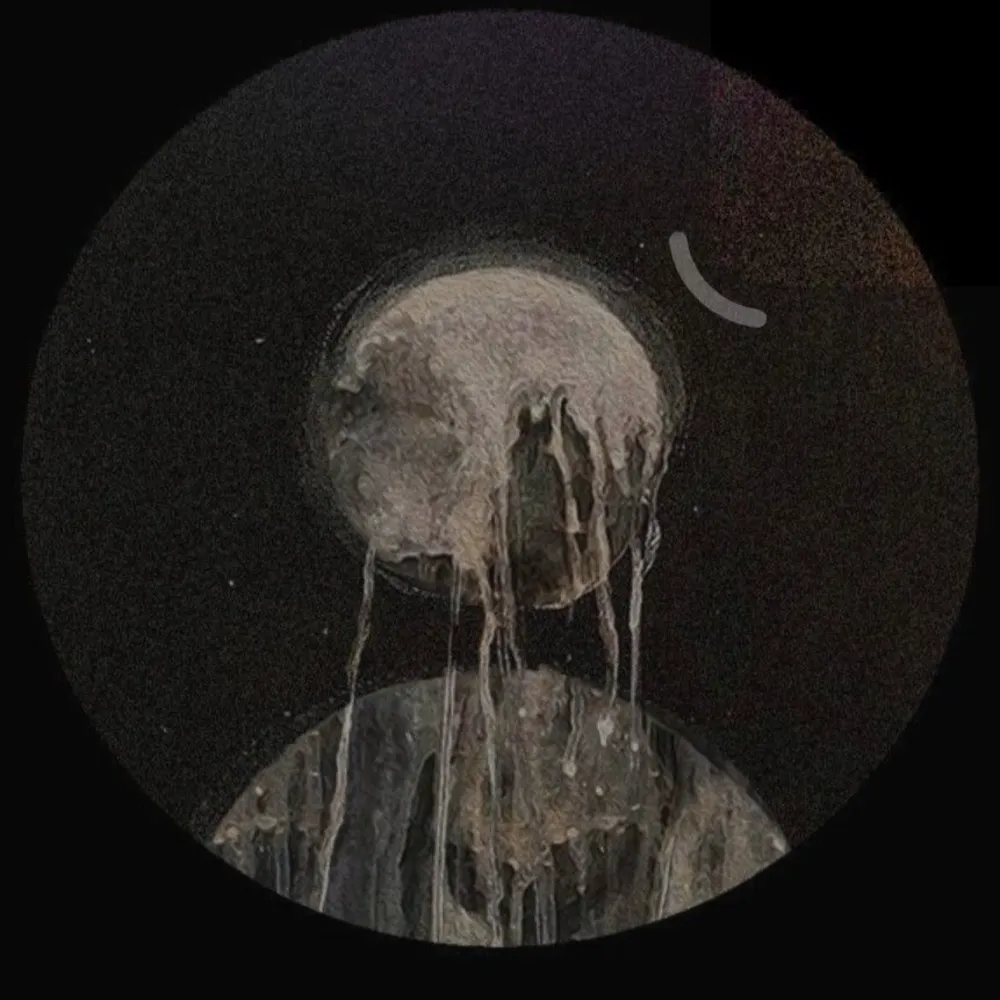

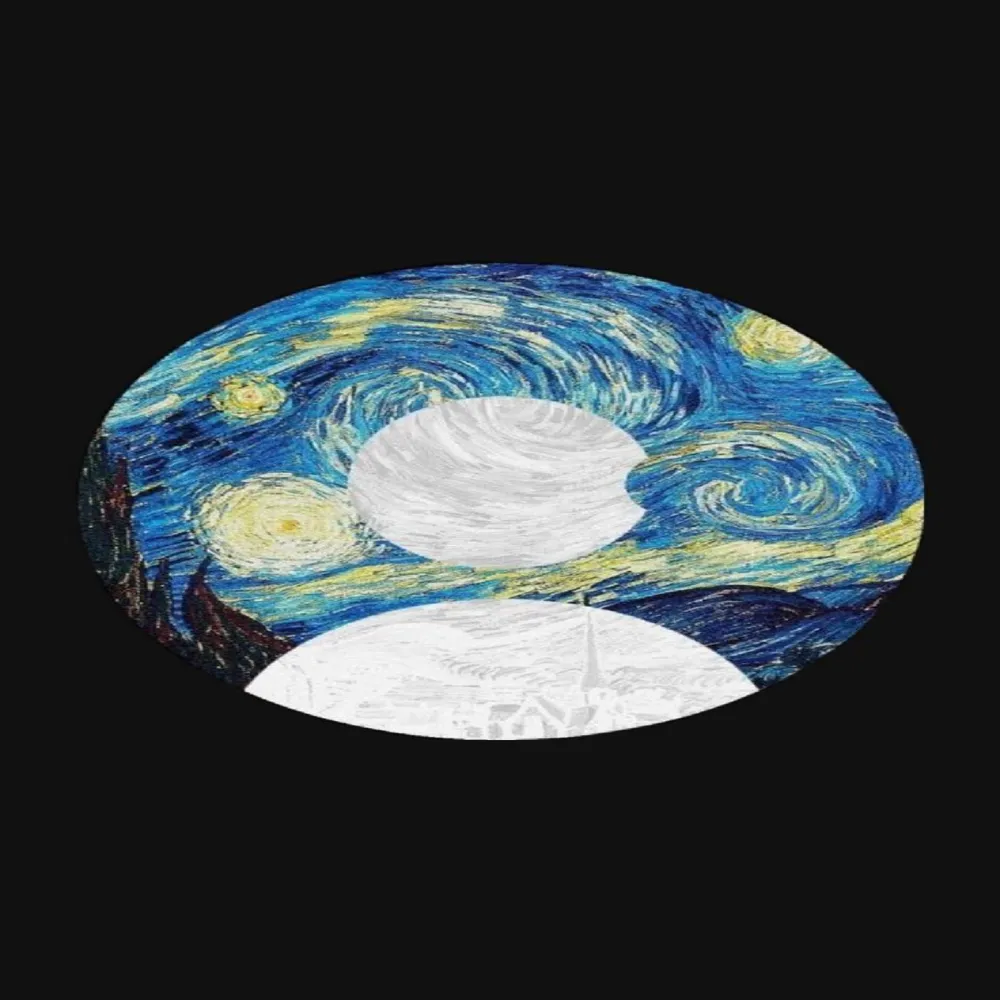

Lo-fi grain layers atmospheric depth without visual complexity. Soft muted tones remove saturation without going fully neutral. Minimal composition lets color temperature carry the emotional register. Slight vignette framing creates subtle visual focus. Single-color fields with micro-texture avoid the flatness of pure defaults. The overall mood sits between blank and considered.
Users building cohesive lo-fi or minimal aesthetic profiles on Instagram and Pinterest most commonly use this approach to keep their avatar from competing with their content. TikTok aesthetic creators and Discord users in design-forward communities also favor this direction for its quiet visual confidence. The key appeal is that it looks like a default until you look closer and that pause is the entire point.
Default PFP Boy
Minimal avatars carry gender coding more quietly than illustrated ones, but the signal still travels. Silhouette shapes that suggest a male figure, blue or dark color palettes, and slightly angular geometric composition create a readable masculine tone without needing a face, character, or detail. Default PFP boy imagery uses that shorthand simple compositions that communicate identity direction through shape and tone while keeping the minimal, unadorned aesthetic intact. The restraint feels deliberate rather than lazy in this context.
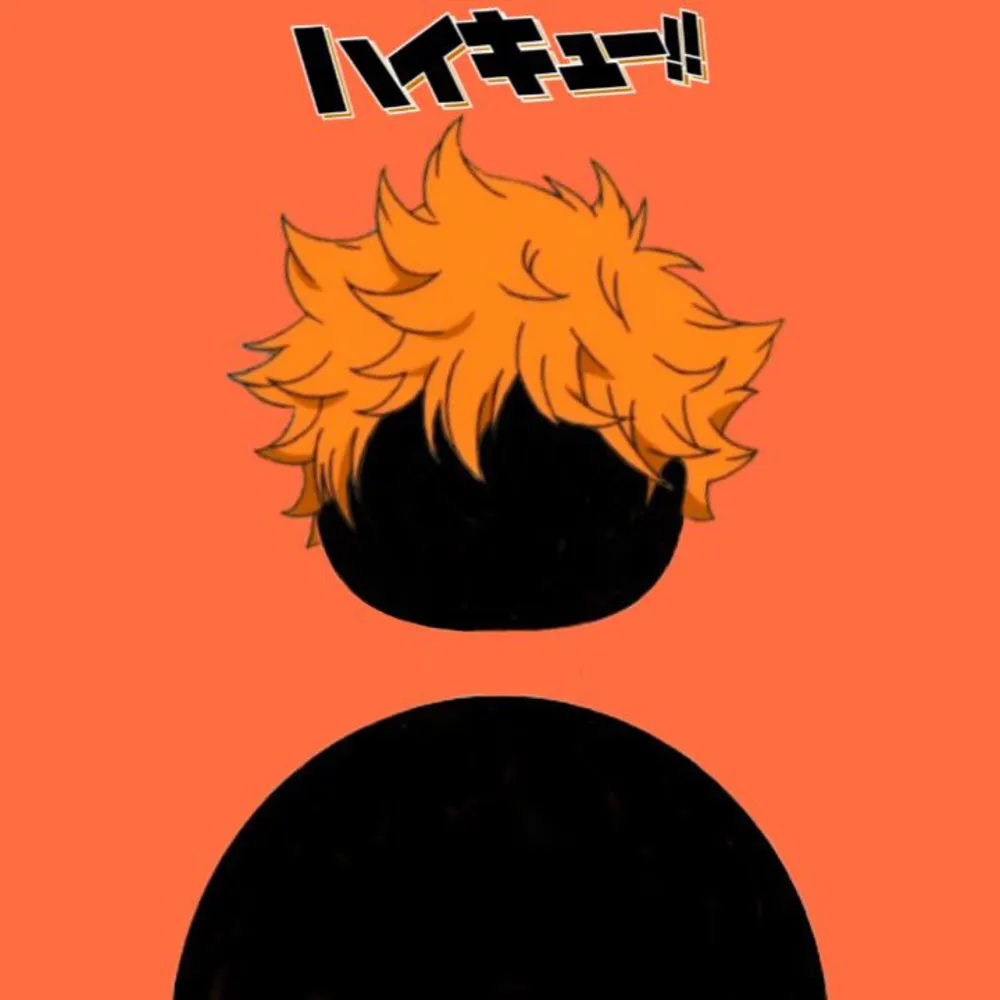
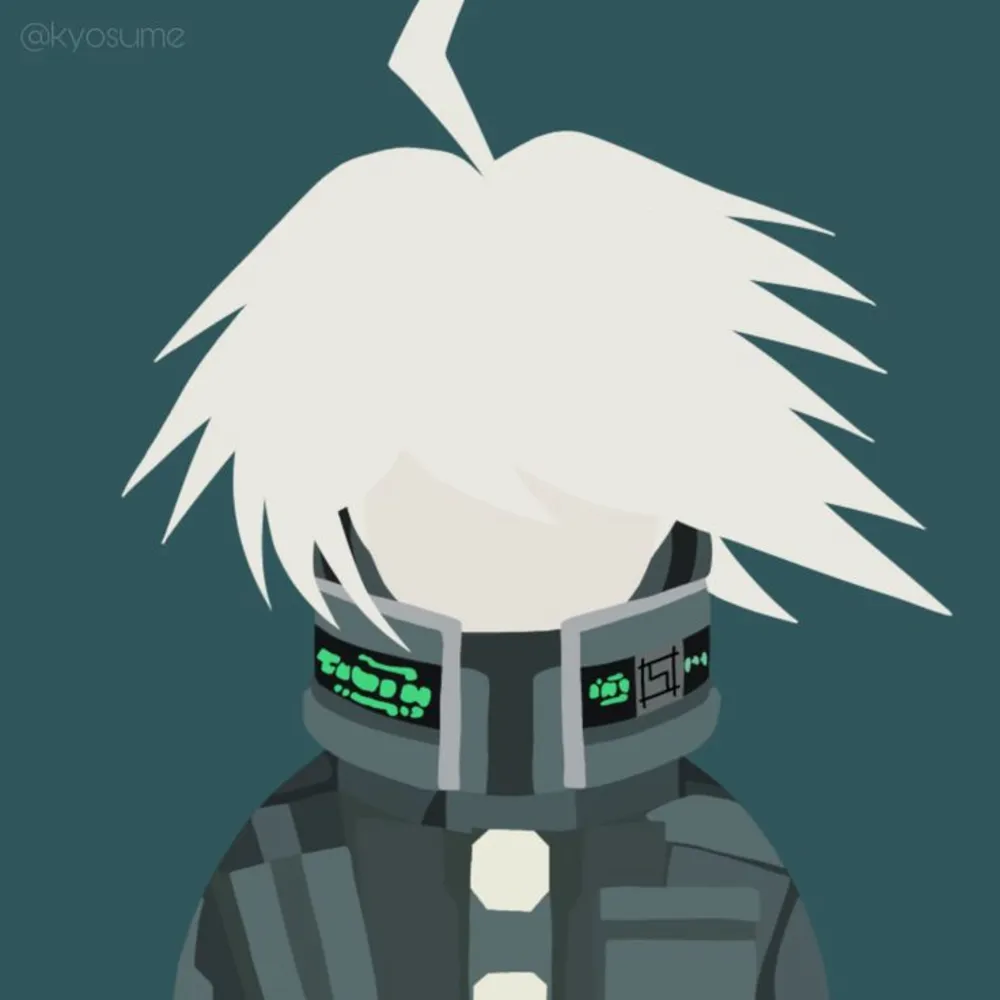
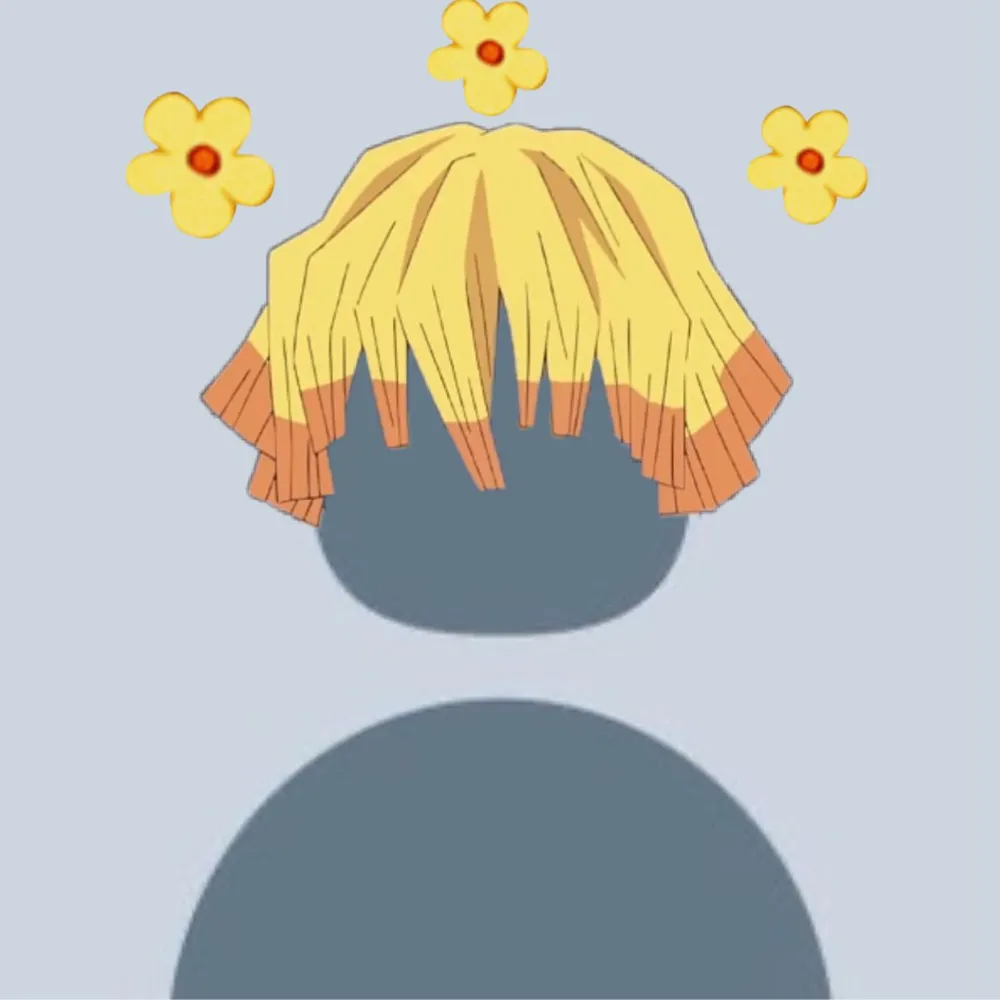
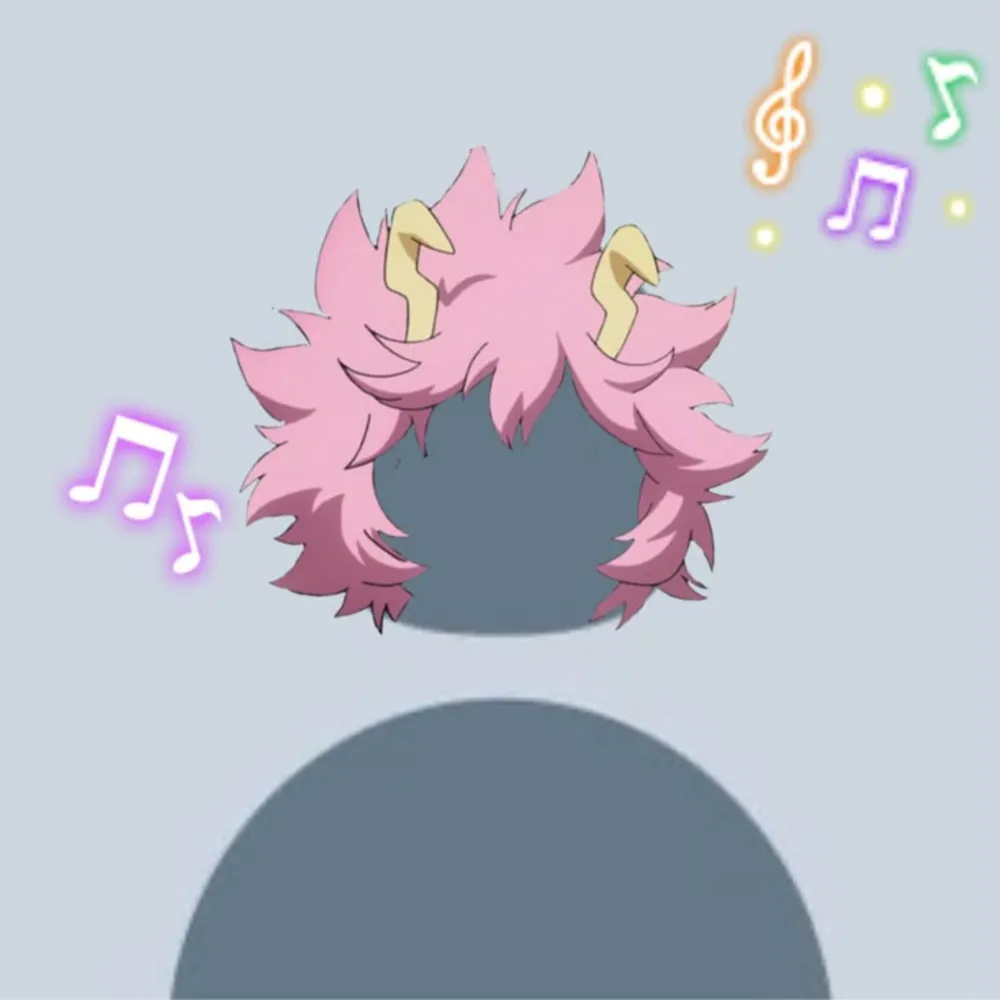
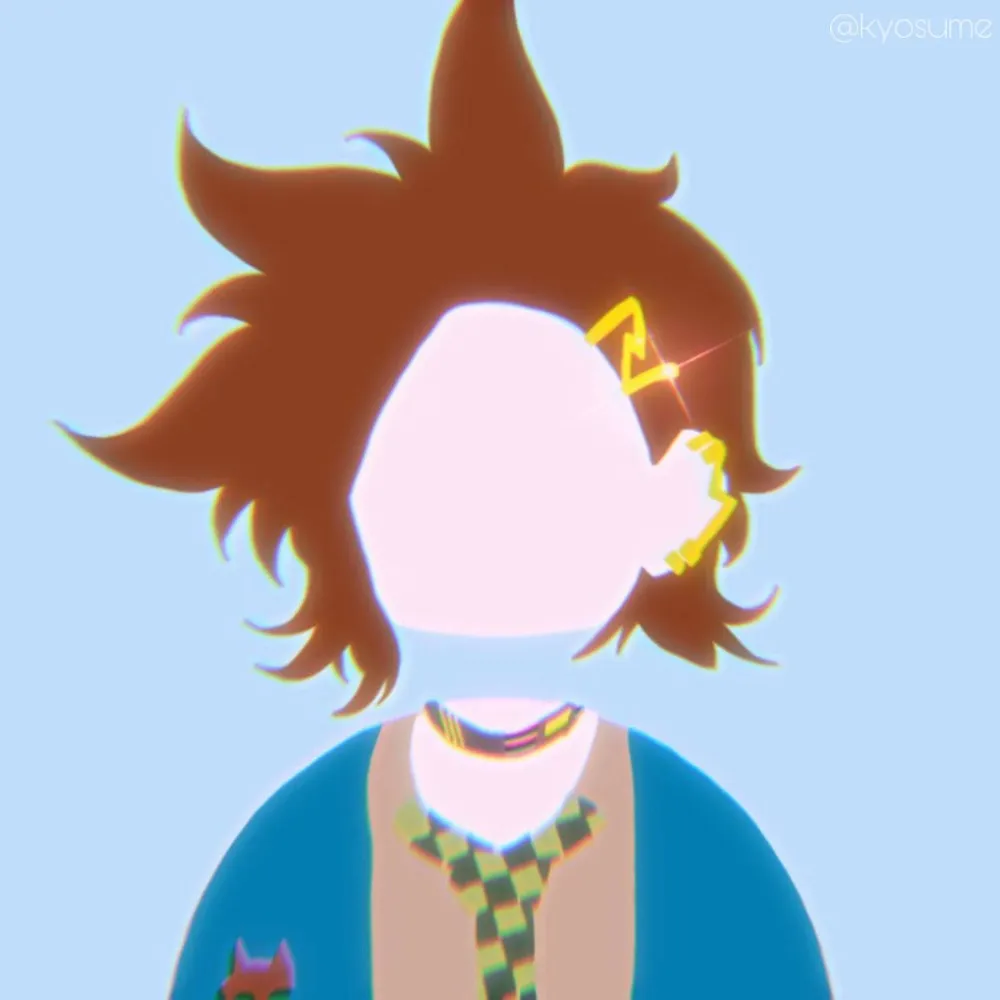
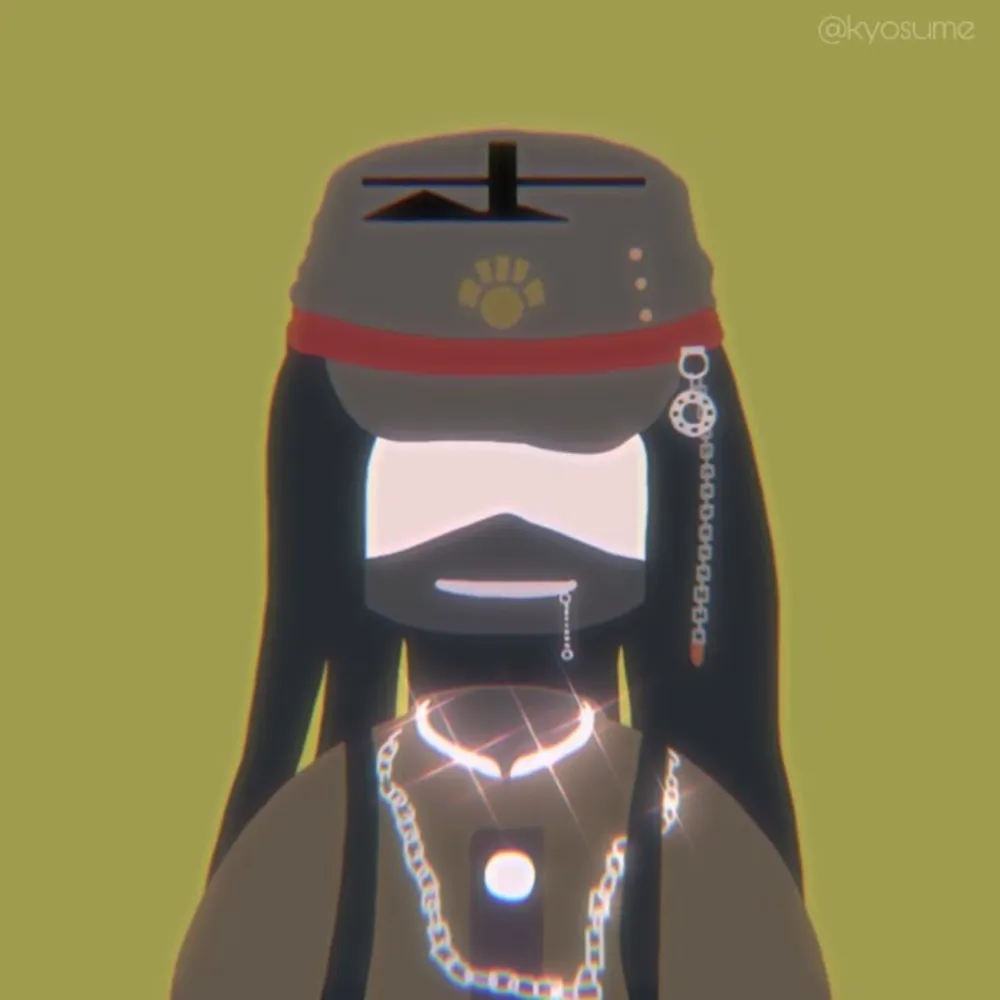
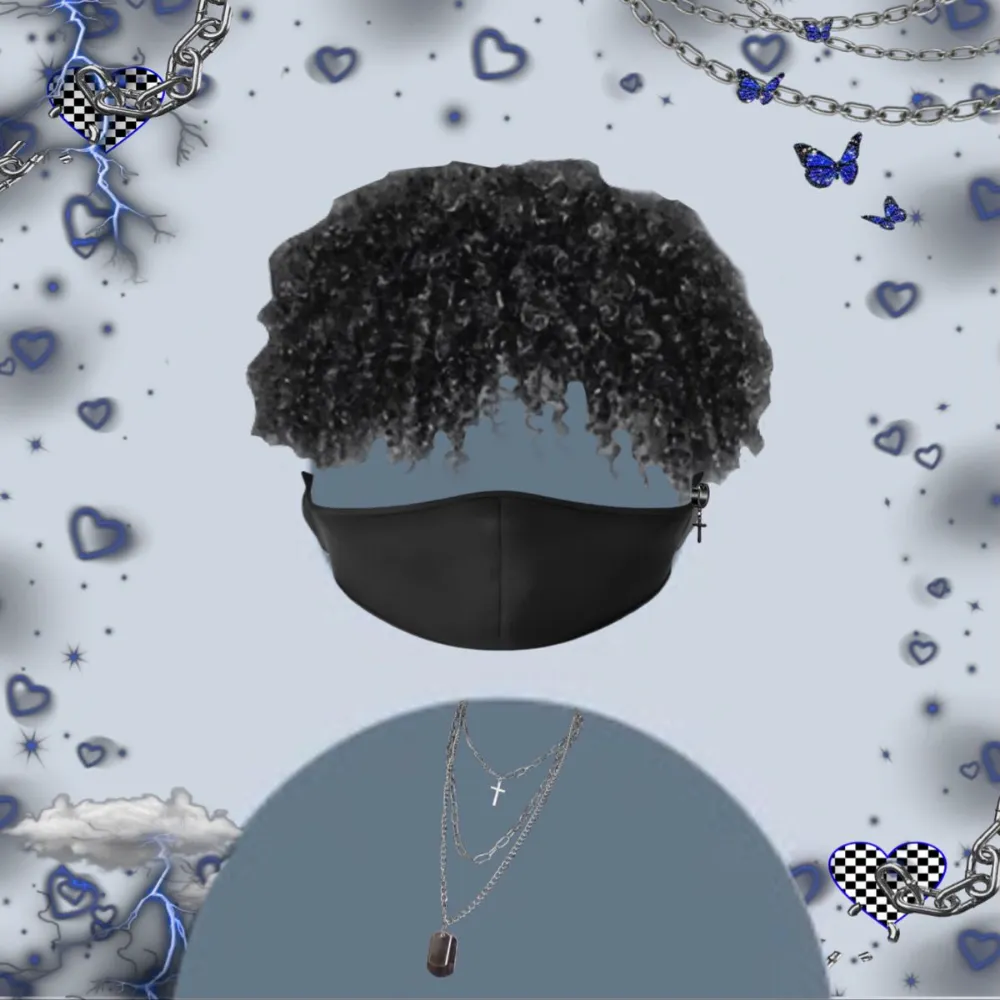
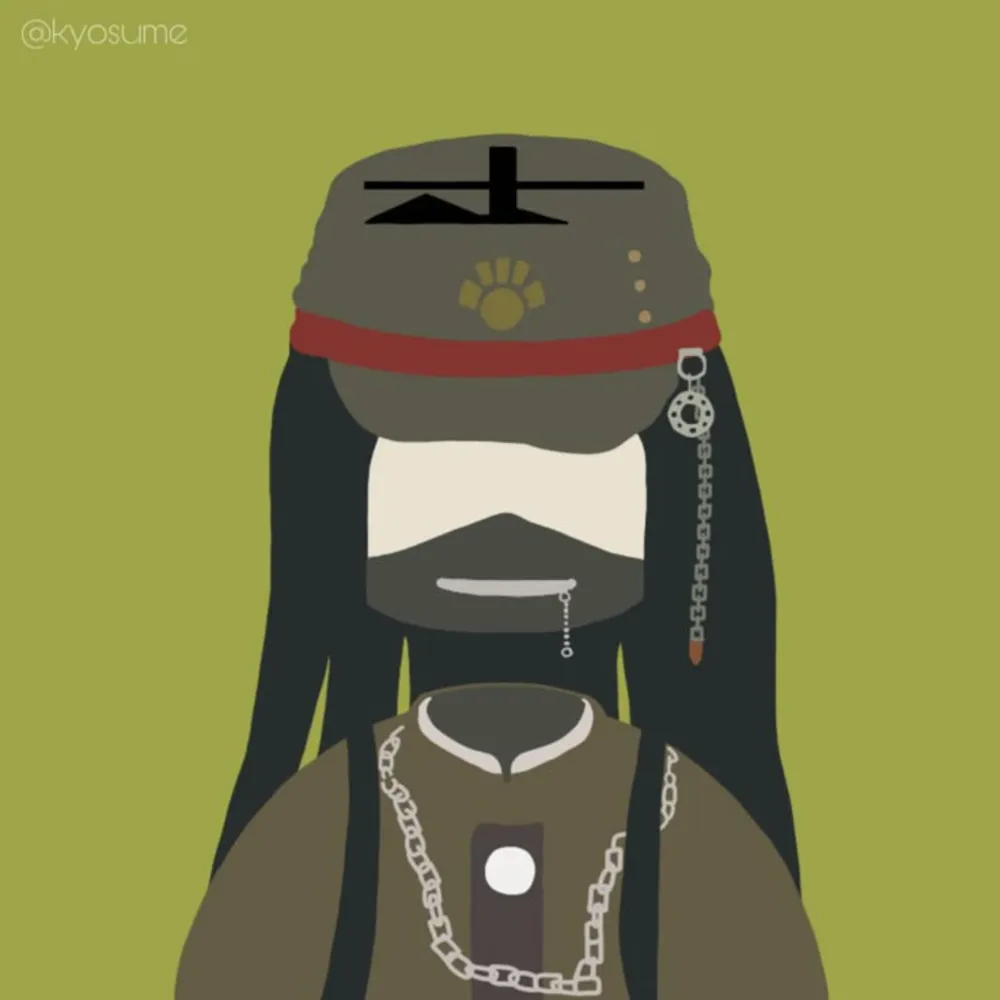
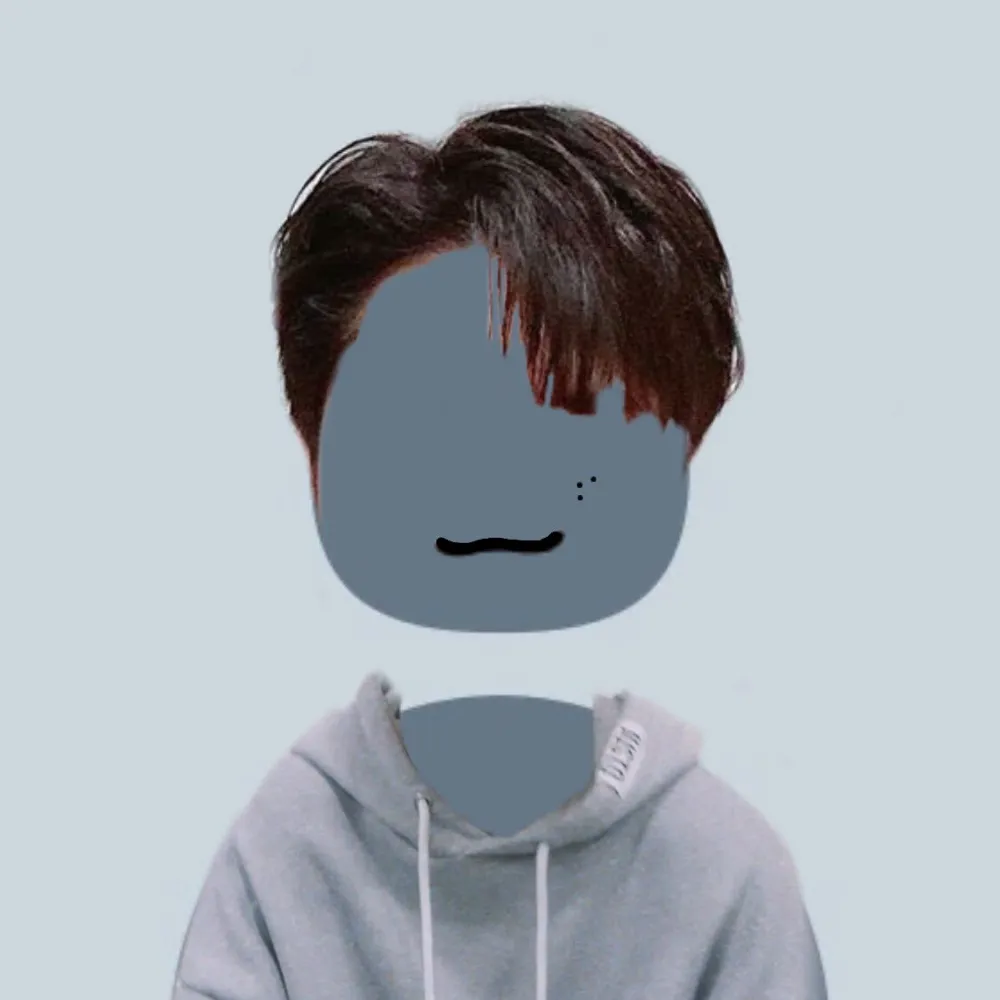
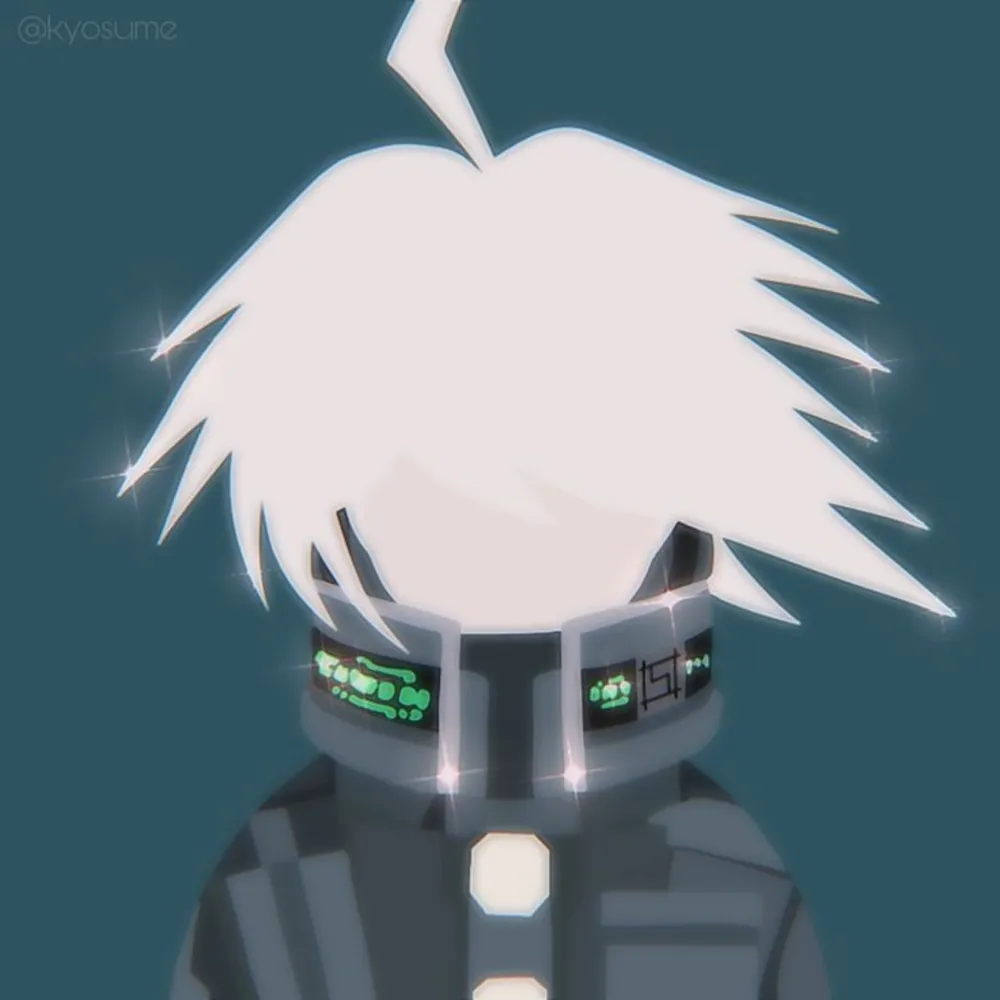
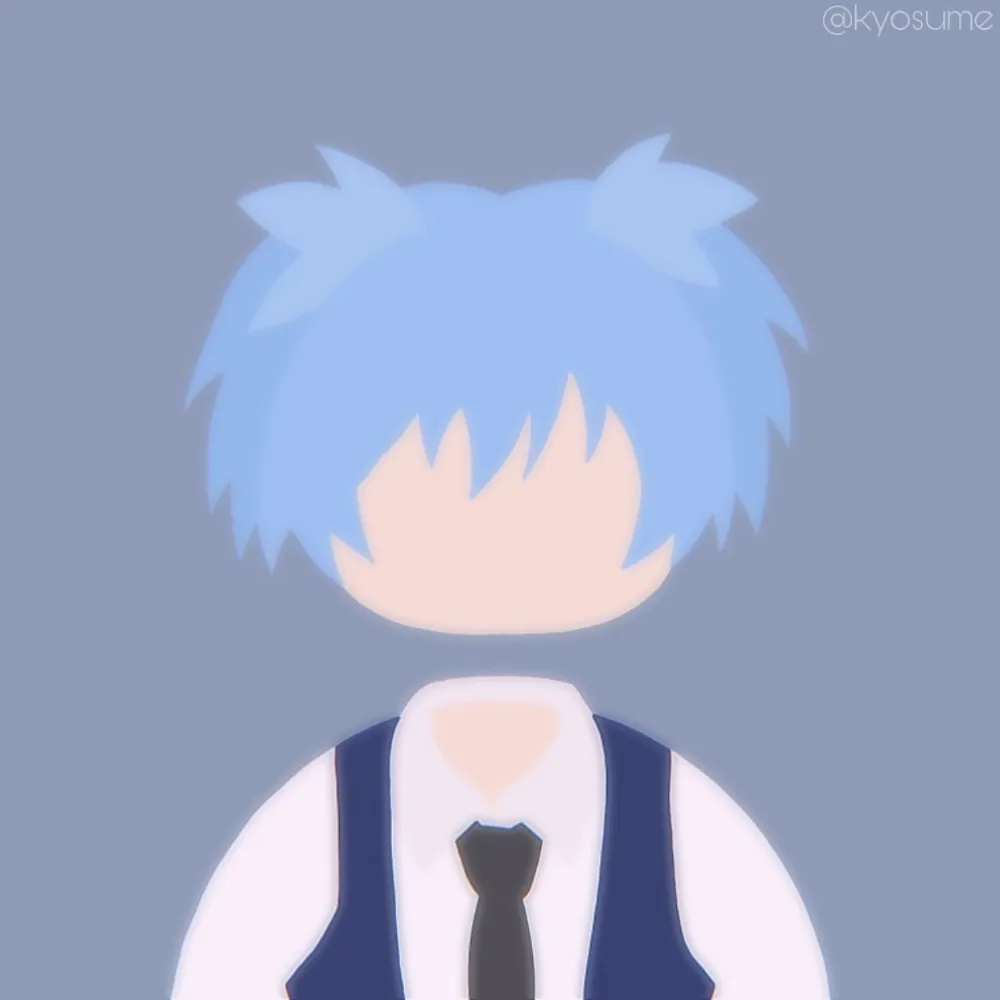
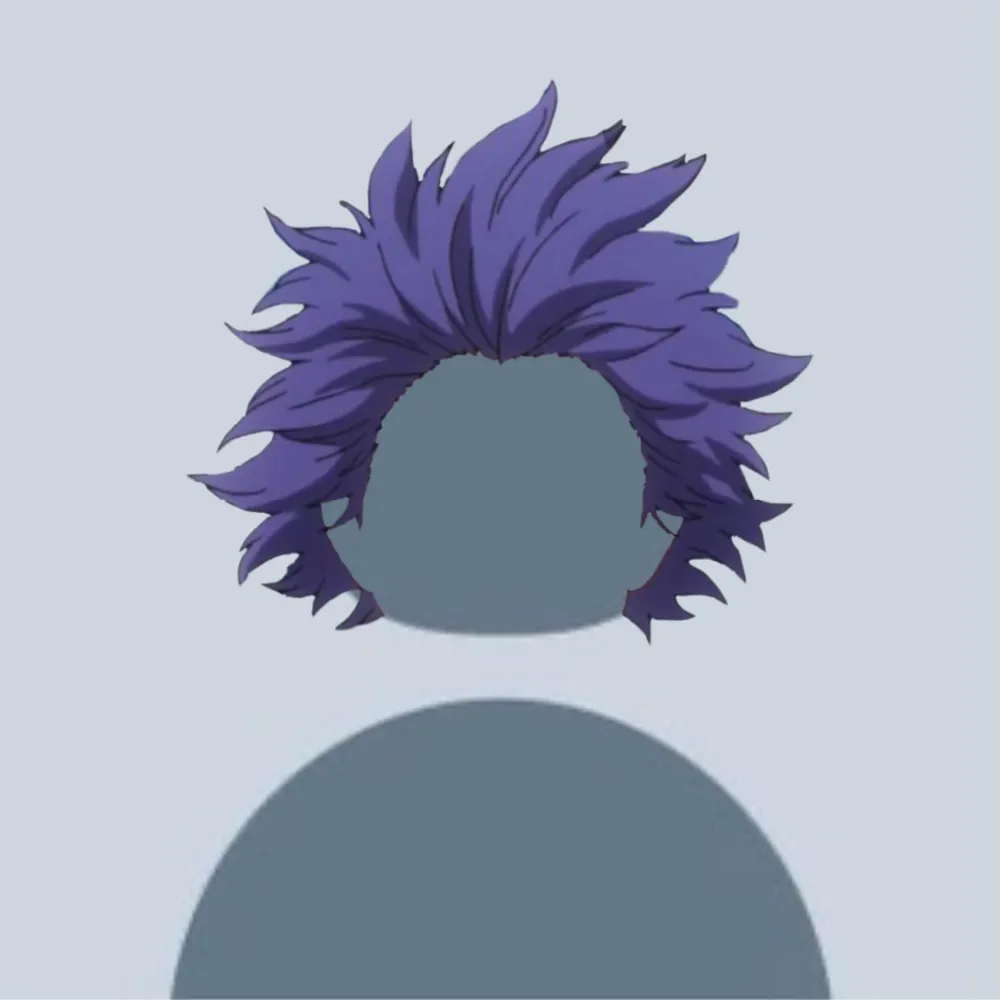
Angular silhouette forms signal masculine visual coding. Dark or blue-based palettes reinforce tone direction. Flat fills avoid decorative softness entirely. Simple shapes ensure readability at small icon sizes. Neutral expression removes any emotional performance. Compositional spare quality feels confident rather than underdeveloped.
Male-coded minimal icons appear frequently in gaming communities, competitive Discord servers, and content-forward TikTok accounts where the avatar is meant to stay out of the way of performance identity. The look signals a particular kind of digital self-assurance present, visible, but uninterested in performing visual effort. On Instagram and Twitter, masculine default-style avatars sometimes carry ironic weight in communities where over-designed avatars are the norm.
Default PFP Funny
Irony travels well through profile pictures when the context is right. Deliberately keeping a gray silhouette, a colored block, or a featureless system avatar in spaces where everyone else has carefully designed their icon communicates something that a polished custom PFP never could a specific humor rooted in refusal to participate. Default PFP funny content operates on exactly that principle: the joke lives in the gap between what avatars are supposed to do and what this one refuses to do. The less effort it appears to contain, the funnier it often lands.

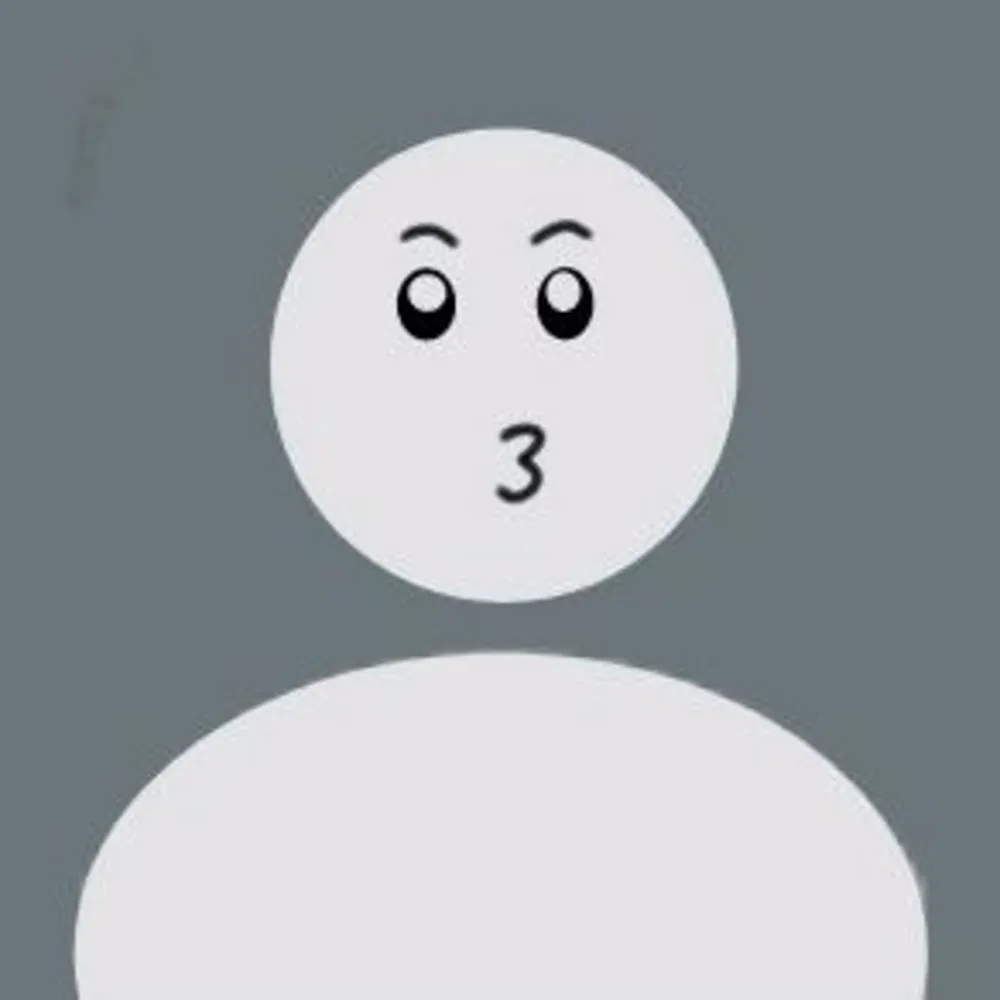
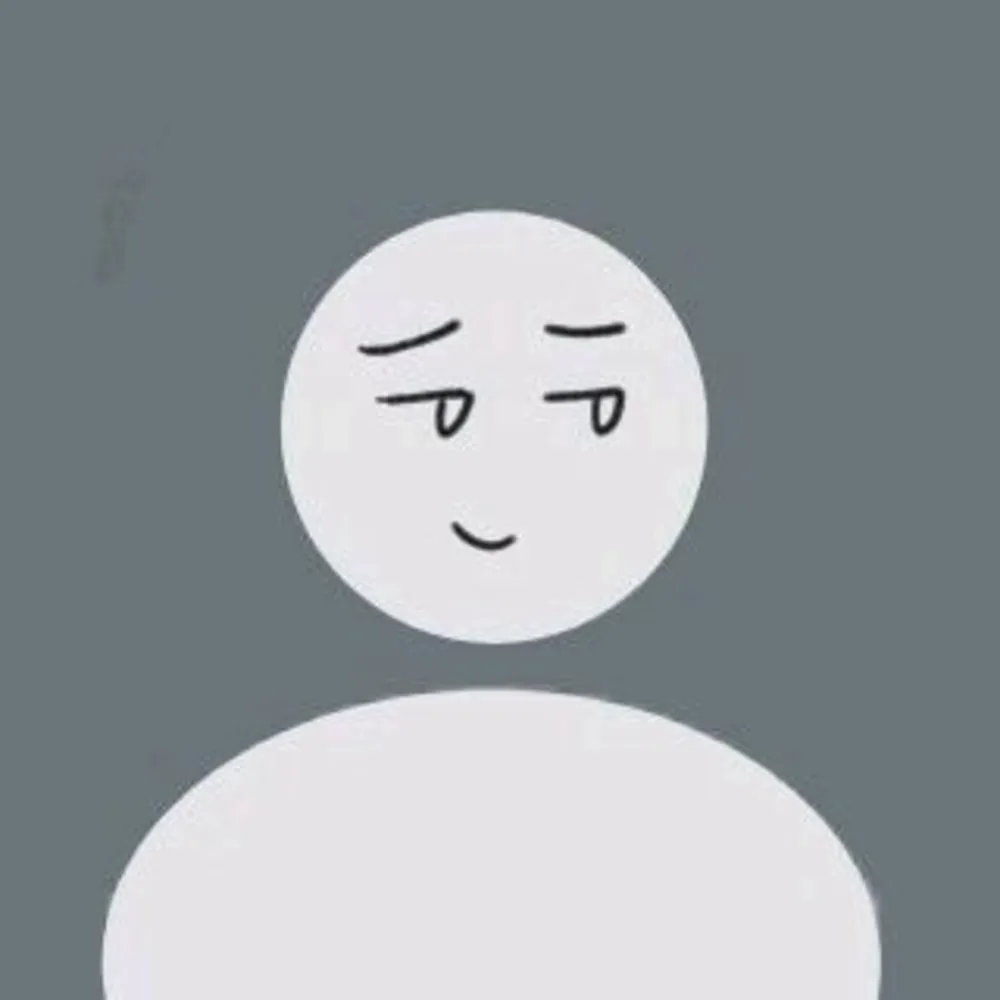
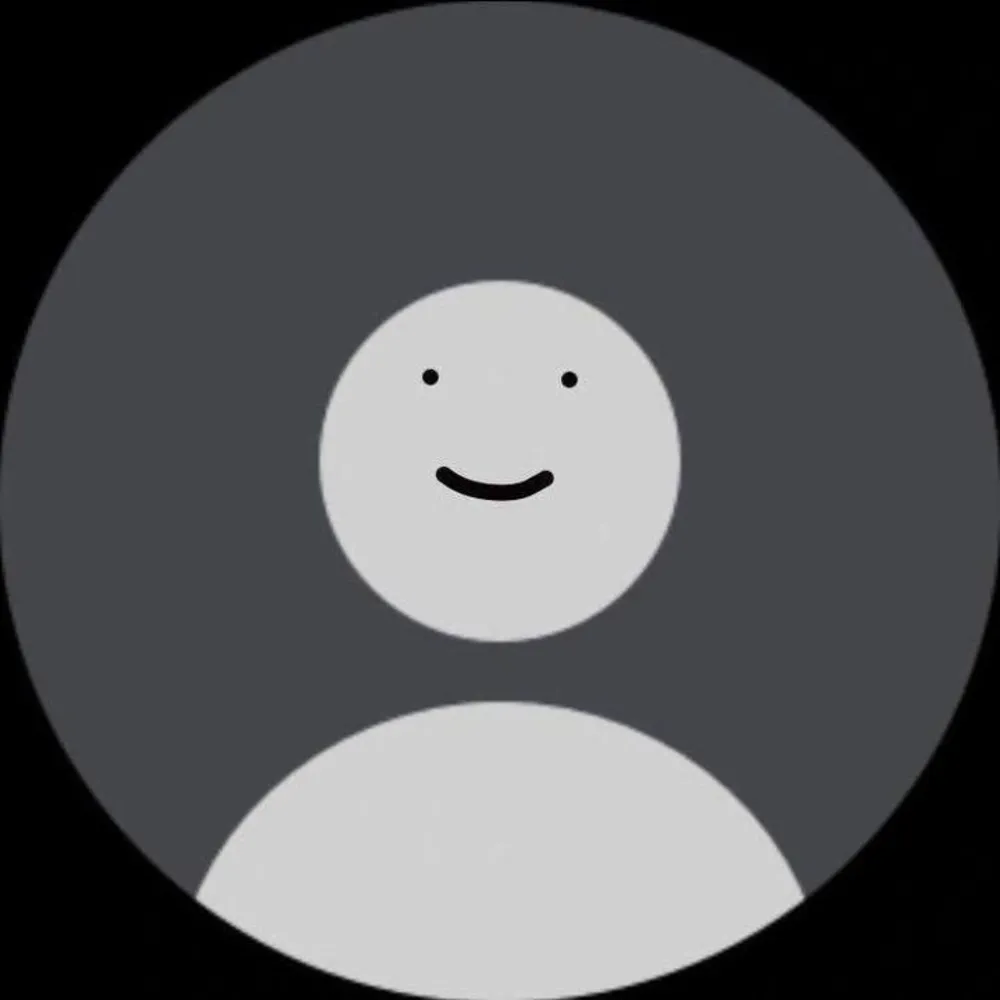


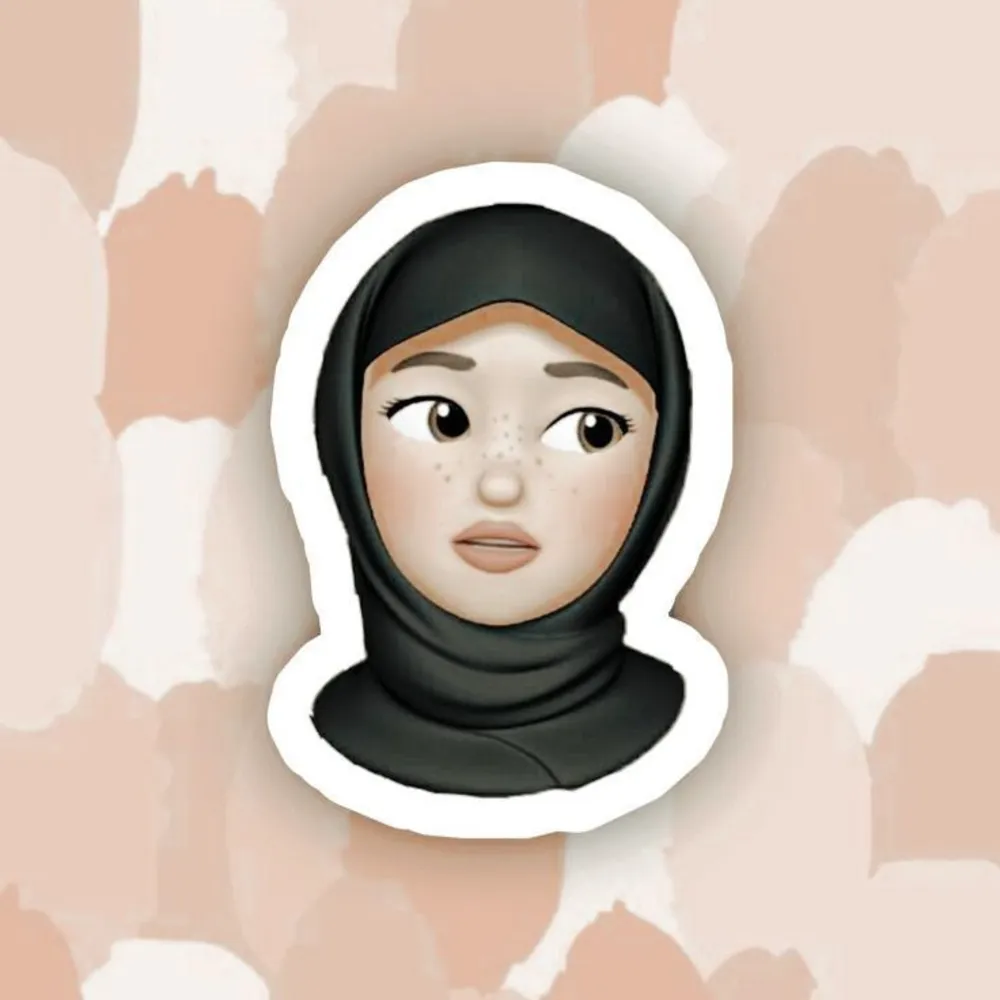
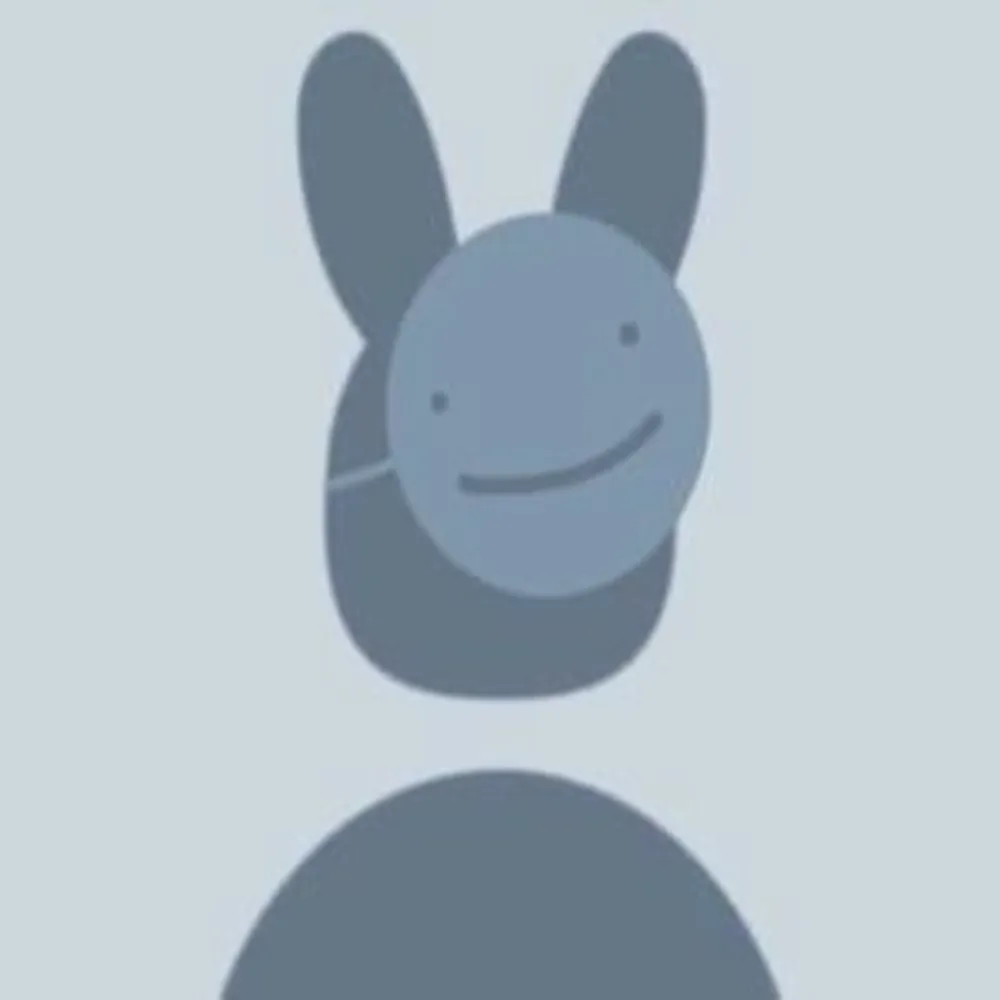
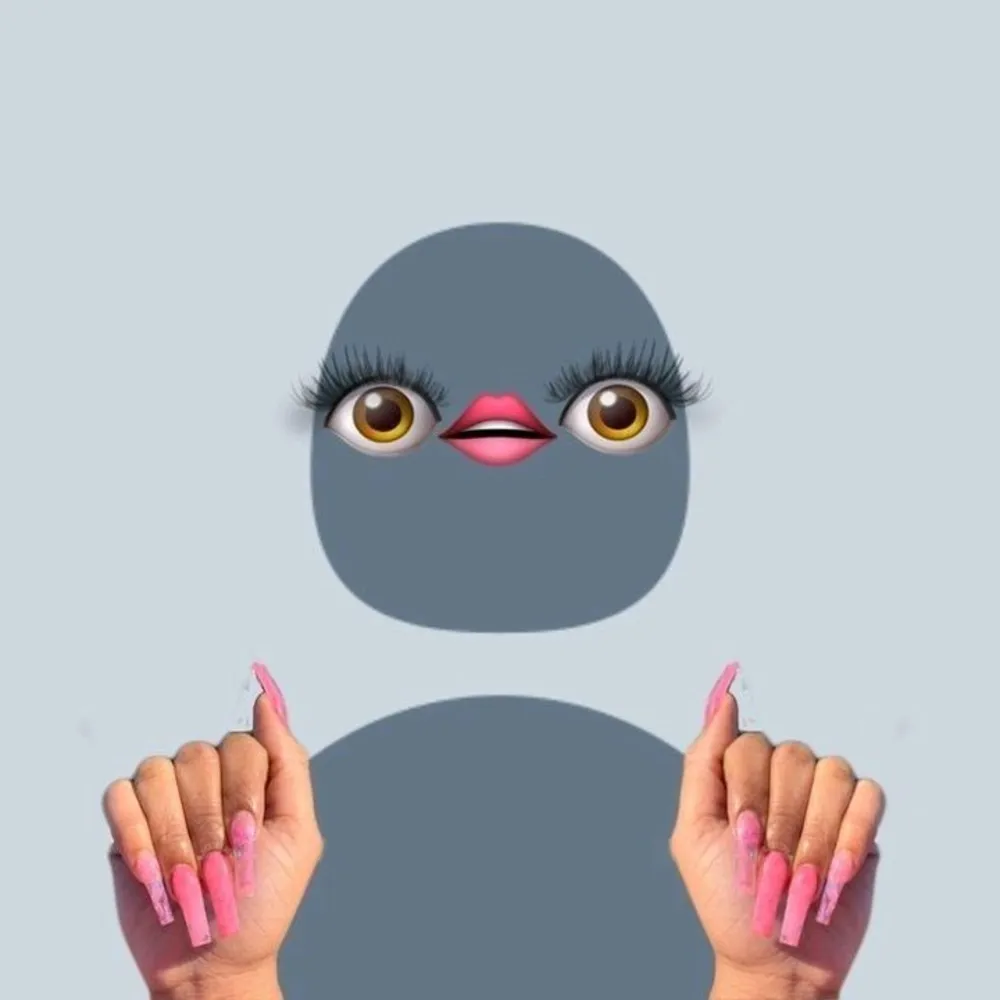
Featureless gray silhouettes maximize the joke through visual absence. System-assigned color blocks carry built-in platform humor. Zero customization signals deliberate anti-effort performance. The icon’s blankness becomes the punchline in crowded chat threads. Recognizable default shapes reference shared platform experiences. Ironic participation feels stronger when surrounded by detailed custom icons.
Meme communities on Discord and Twitter most actively use default-style avatars for their comedic value. In fast-moving servers where humor is the primary currency, a gray silhouette becomes a visual setup. Reddit-native humor communities on other platforms also import this aesthetic because the blank avatar signals a specific type of ironic self-awareness that jokes-forward communities recognize and respond to well.
How To Choose The Right Default PFP
Choosing a default-style avatar works differently from selecting an illustrated or character-based profile picture the meaning lives in context as much as in the image itself. Platform, community, and the tone of surrounding content all shape how the same minimal icon gets read.
Consider whether the default look will feel ironic, aesthetic, or simply absent on your specific platform before committing. Choose color-coded defaults like Discord’s geometric blocks when you want visual presence without character identity. Opt for gray or dark silhouettes when anonymity or content-forward identity is the goal. Test how the icon appears inside circular crops silhouette shapes behave differently when cropped versus the original square format. Match the tone of the default style to your username and bio a blank icon paired with a detailed bio creates interesting tension. Avoid full transparency or invisible icons on platforms where minimum visual presence matters for recognition. Update the default look when community context shifts an ironic blank icon reads differently in a new server or platform environment. Choose cute or pastel default variations when warmth matters but character complexity doesn’t fit your profile direction.
Frequently Asked Questions
Why do default PFP styles carry visual identity despite being minimal?
Default PFPs use simplicity to communicate tone like anonymity, irony, or confidence. Their meaning depends on platform culture and how consistently they’re used. Even without detail, they still create a recognizable identity.
Are default-style avatars appropriate for all platforms?
They work best on platforms like Discord and TikTok where minimal or ironic styles are common. On Instagram or Pinterest, they may look inactive if not used intentionally. Context always decides how the avatar is perceived.
Does keeping a default profile picture affect recognition on social media?
Default PFPs can reduce uniqueness if many users have similar icons. However, consistent use can still build recognition over time. Intentional usage makes a big difference in visibility.
Should a default-style avatar match the tone of a username or bio?
Matching your avatar with your username and bio creates a clear identity. A consistent tone makes the profile feel intentional and well-designed. Mismatched elements can confuse how your profile is perceived.
How often should a default-style profile picture be updated?
Default PFPs usually work better when kept consistent over time. Frequent changes can reduce familiarity and recognition. Update only when your content style or platform context changes.
Conclusion
Default PFP styles have evolved beyond their original purpose, becoming a quiet yet effective way to express identity online. Their strength lies in simplicity removing visual noise while still leaving room for interpretation based on context and platform culture. What may seem basic at first glance often carries intentional meaning when used consistently. Choosing this style is less about design and more about direction. Whether used for anonymity, irony, or clean aesthetics, a default PFP can still build recognition when it aligns with the overall tone of a profile. In a space filled with highly detailed visuals, this kind of restraint stands out in its own way proving that presence doesn’t always require complexity.